Most people assume Muir Woods just happened to survive the rapid industrialization of early twentieth-century California. It didn't.
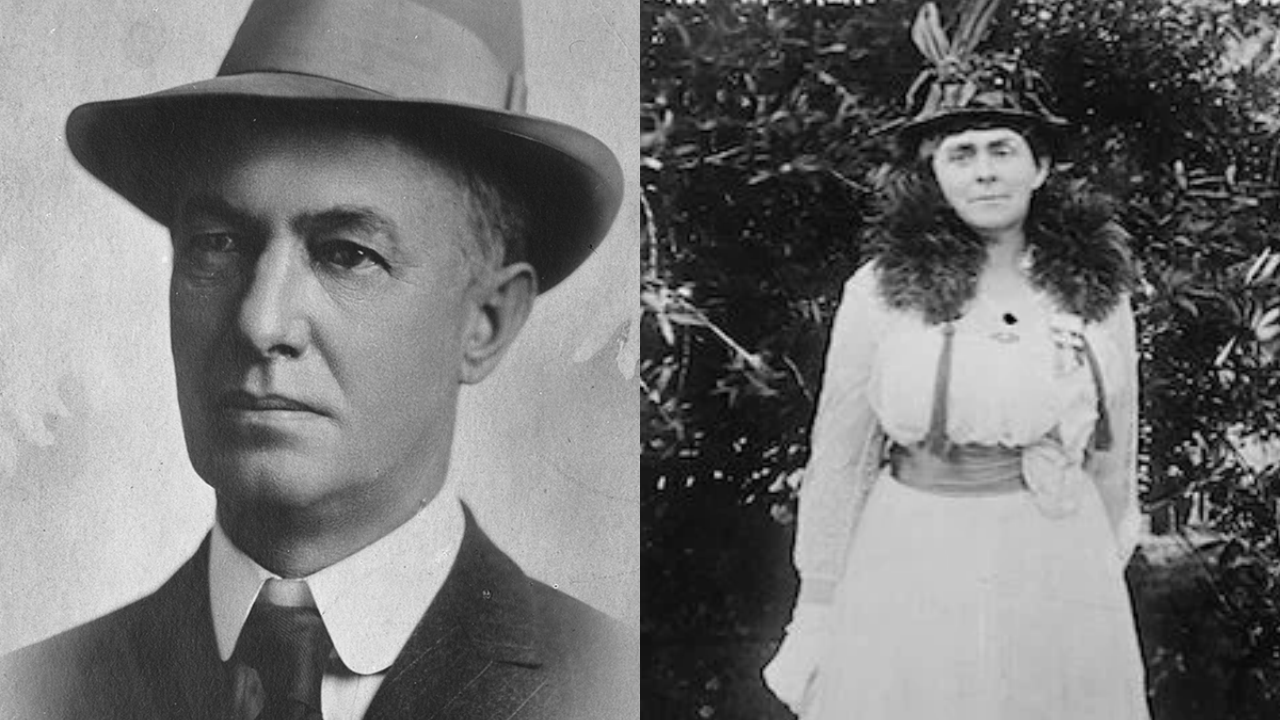
That ancient redwood canopy exists today because a wealthy conservation-minded couple spent $45,000 in 1905 to buy 611 acres of threatened timberland, then outmaneuvered a corporate water monopoly using a clever legal trick. If William and Elizabeth Kent hadn't stepped in when they did, those thousand-year-old trees would have been turned into lumber or drowned beneath a reservoir.
The Threat to Redwood Canyon
By the early 1900s, commercial loggers had already clear-cut most of the accessible old-growth forests in Marin County to fuel San Francisco’s post-Gold Rush building boom. Redwood Canyon on the slopes of Mount Tamalpais was one of the last pristine groves left standing.
Friends of William and Elizabeth Kent urged the couple to visit the canyon and see the massive trees before loggers got to them. Realizing the imminent danger, the Kents shelled out $45,000—a massive sum at the time—to purchase 611 acres of the forest outright. They didn't buy it to make a profit; they bought it to act as a human shield between the trees and industrial greed.
Owning the land wasn't enough to keep it safe.
Battling the Water Monopoly
In 1907, the North Coast Water Company targeted the exact same canyon. They filed condemnation proceedings under eminent domain, planning to dam Redwood Creek and flood the entire valley to create a municipal reservoir.
Local courts offered little comfort against powerful corporate utilities with deep pockets. Rather than getting dragged into a multi-year courtroom battle they might lose, Kent bypassed local hurdles entirely. He used his political connections to reach Gifford Pinchot, the head of the United States Forest Service, who brought the crisis straight to President Theodore Roosevelt.
Roosevelt held a powerful weapon in his back pocket: the Antiquities Act of 1906. This law gave the president authority to protect federal land by executive proclamation without waiting for congressional approval.
There was a major catch. The Antiquities Act only applied to property already owned by the federal government. Private land couldn't just be seized for a monument without a lengthy legislative fight.
Creating Muir Woods National Monument
The Kents solved the problem through a strategic land donation. They gifted roughly 295 acres of their private property directly to the federal government.
Because the land now belonged to Uncle Sam, the North Coast Water Company's eminent domain lawsuits hit a brick wall. Private utilities couldn't condemn federal property. On January 9, 1908, President Roosevelt signed the proclamation establishing Muir Woods National Monument, making it the seventh national monument in American history and the first ever created from private land donations.
When Roosevelt offered to name the protected area after Kent, the Congressman flatly refused. He insisted the sanctuary be named after his close friend and legendary naturalist John Muir. Muir later wrote to Kent, calling the gift one of the most notable services to conservation he had ever witnessed.
What You Should Know Before Visiting Today
If you plan to visit Muir Woods, understanding its origin changes how you experience the park. You aren't just walking through a random forest; you are walking through a piece of land saved by private intervention and executive maneuvering.
The same accessibility that drew early tourists in 1913 creates massive crowd management challenges today. Because parking is heavily restricted to protect the fragile root systems of the coast redwoods, you can't just drive up on a whim.
Plan ahead by securing a parking or shuttle reservation well in advance through the official visitor portal. Arrive early in the morning before the crowds hit the main boardwalks, and stick strictly to the designated trails to protect the shallow root systems that have kept these giants standing for over a thousand years.