The charts tell you one story about Jason Mraz. They speak of platinum plaques, of a breezy acoustic guitar anthem that played out of rental car windows and coffee shop speakers through the mid-2000s, of a man wearing a fedora while singing about luck and being alive.
Drive south past the coastal bustle of San Diego, however, and the
The Melody of Mud and Roots How Jason Mraz Found His Rhythm in the Dirt
lifestyle, entertainment
The microphone was gone.
For years, the distance between Jason Mraz and tens of thousands of screaming fans was measured in watts, arena lighting rigs, and the thin barrier of a security rail. Hit songs like "I'm Yours" played like sun-drenched anthems for beachgoers worldwide, establishing a signature acoustic pop sound that felt effortless, breezy, and universally loved. But stadiums are loud. Touring schedules are relentless. And after a while, the applause starts to sound less like an echo of connection and more like white noise.
So he walked away from the heavy tour logistics, traded his guitar strap for a pair of muddy work boots, and headed up into the hills of San Diego County.
What he found there wasn't an escape. It was an anchor.
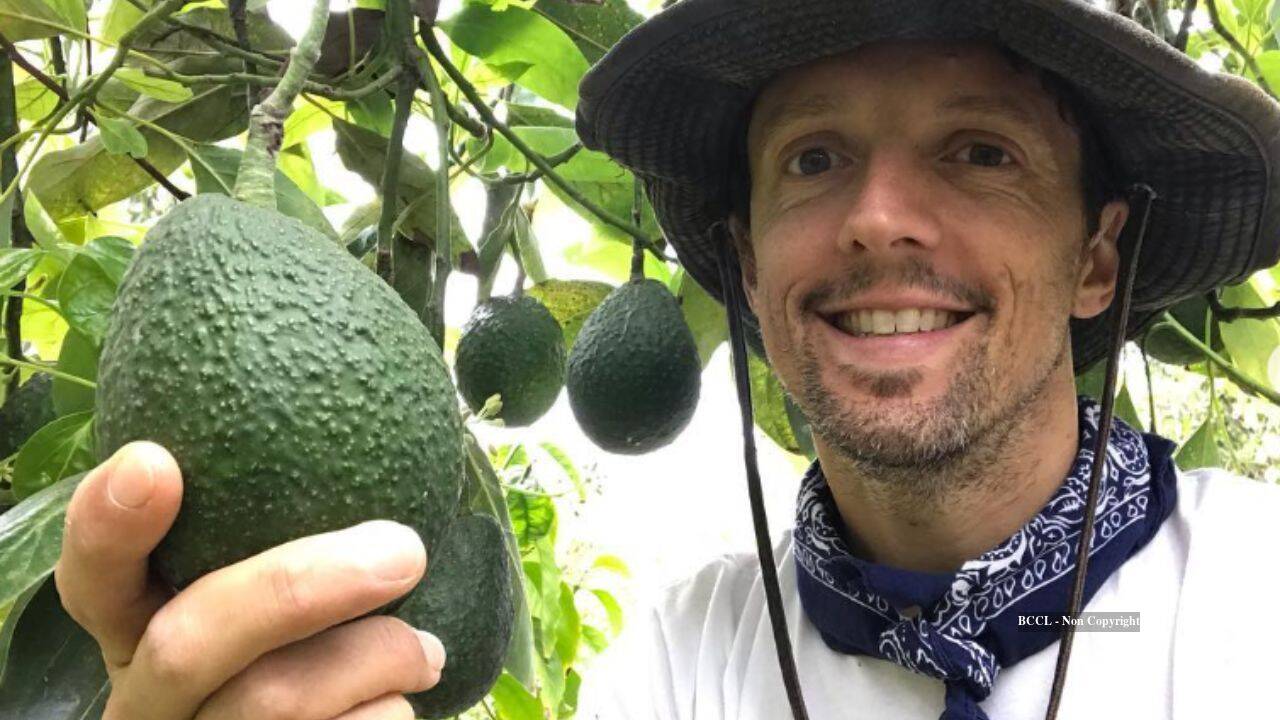
Nestled in the rolling topography of Southern California, an aging 17-acre avocado grove was quietly struggling. Decades of conventional farming had squeezed the topsoil, turning what should have been a living, breathing biome into something closer to a green-painted industrial parking lot. Synthetic fertilizers had kept the trees on life support. Water efficiency was an afterthought. The ground was tired.
Mraz bought the land not to build a celebrity retreat, but to listen.
Consider the difference between managing a property and belonging to it. A manager asks how to squeeze maximum yield from every square foot. A custodian asks what the earth needs to heal itself. When Mraz arrived, the avocado trees were stressed, fighting for hydration in a drought-prone climate while relying on chemical crutches.
He didn't plant more avocados. He planted chaos.
Regenerative organic agriculture is not for the impatient. It requires unlearning almost everything modern industrial farming teaches. Instead of stripping away weeds, Mraz and his team introduced cover crops, interplanting beans, peas, and daikon radishes between the rows of fruit trees. These plants perform a quiet alchemy, drawing nitrogen out of the atmosphere and pushing it deep into the soil, feeding the underground web of fungi and bacteria that conventional tilling usually destroys.
Imagine pulling back the green carpet of a forest floor. You do not see sterile dirt. You see a pulsing, interconnected city of mycelium, earthworms, and microscopic life communicating through chemical signals. That is what a healthy farm looks like. And that is what the avocado grove slowly became.
The transition wasn't a PR stunt. It was sweaty, fingernail-splitting labor. There were dead trees. There were pest infestations that couldn't simply be sprayed away with a synthetic cocktail. There were seasons where the harvest shrank before it grew.
But resilience takes time.
By prioritizing soil health, the farm transformed its water retention. When winter rains came, instead of washing away precious topsoil into local storm drains, the sponge-like organic matter held onto the moisture, feeding the roots of the avocado trees long after the storms passed. The trees responded with vitality. The fruit—sold locally and used in regional kitchens—bore a richer, denser flavor profile born from nutrient-dense earth.
Music and farming share a secret. Both require rhythm, patience, and a deep respect for timing you cannot control. You cannot rush a chorus, and you cannot bully an avocado into ripening a month early.
Today, that 17-acre patch of earth operates as a working model for sustainable agriculture in an era of climate anxiety. It supplies organic produce, creates local green jobs, and proves that pop stardom and agricultural stewardship are not mutually exclusive. In fact, for Mraz, the stage and the soil became the same thing: platforms for cultivating life.
The applause still follows him, of course. He still plays shows, still writes melodies, still steps into the spotlight when the mood strikes. But the center of gravity has shifted.
Out among the green leaves and the quiet hum of pollinators, there is no crowd to please. There is only the dirt, the sun, and the steady, unbreakable rhythm of things growing the way they were always meant to grow.