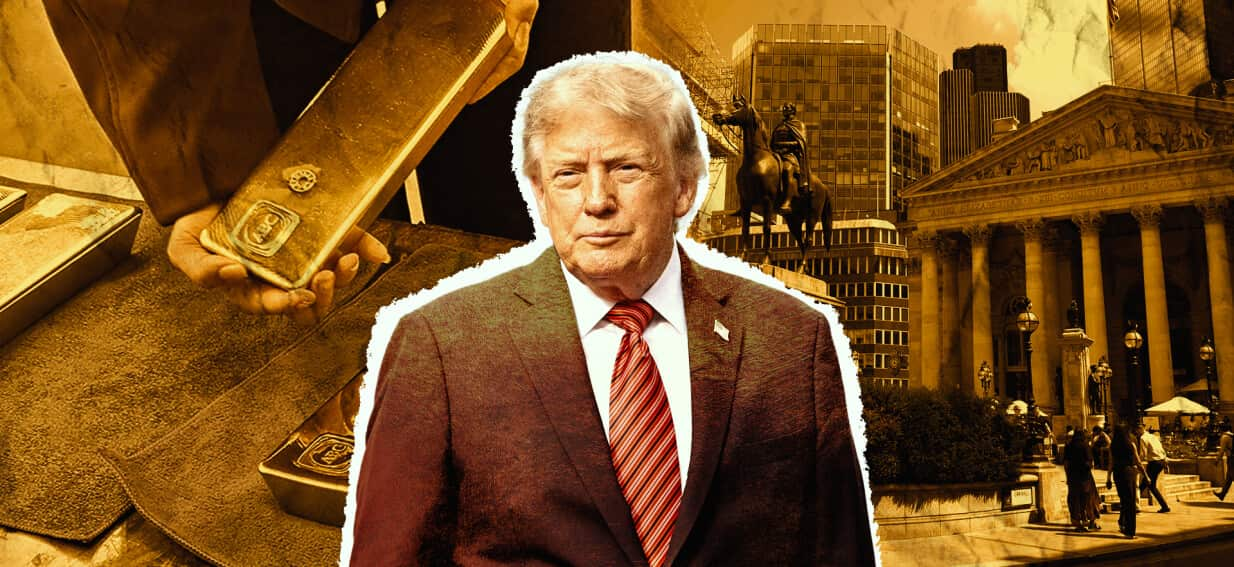
Money changes people. Sometimes, it turns them into internet legends. When a major African IPO recently sent energy stocks soaring, regular folks who bought modest shares suddenly found themselves sitting on portfolios that looked like oil syndicate balance sheets. Naturally, the internet did what it does best. Twitter and TikTok flooded with amateur traders wearing construction hard hats in their living rooms, drafting mock purchase agreements for superyachts, and joking about buying OPEC.
It sounds like internet hyperbole. It basically is. But beneath the viral memes lies a fascinating shift in how everyday citizens interact with wealth, capital markets, and generational economics across the continent.
The Stock Market Awakening Across African Exchanges
For decades, stock markets across Africa felt distant. They were dusty floors reserved for institutional heavyweights, wealthy elites, and corporate conglomerates. Ordinary citizens parked cash in local banks earning negligible interest against biting inflation, or they poured savings into real estate and informal trade.
Then came a wave of high-profile listings, particularly in energy and power generation sectors. Companies dealing in oil, gas, and utilities opened their books to public retail investors. Platforms changed the game. Mobile trading apps let everyday people buy shares with a few taps on their smartphones.
When these stocks surged post-listing, portfolios doubled, tripled, and multiplied further in record time. People who deposited grocery money into brokerage accounts woke up to account balances that rivaled senior corporate executives.
From Salary Earners to Paper Millionaires
Imagine checking your phone on a Tuesday morning and seeing your net worth jump by the price of a mid-size sedan. That was the reality for thousands of retail investors who piled into energy listings.
Teachers, civil servants, tech workers, and gig economy drivers became the sudden beneficiaries of massive market liquidity. They didn't drill oil wells. They didn't negotiate drilling rights in the Niger Delta or offshore blocks. They simply bought shares during the initial public offering window.
The psychological shift was instant. People who spent years budgeting every single naira, shilling, or cedi suddenly had liquidity. But instead of quiet celebration, they took to social media.
The Meme Economy and Cultural Humor
Humor is a survival mechanism. It is also a brilliant cultural amplifier. When African retail investors started printing unprecedented paper gains from oil and energy stocks, they didn't write analytical essays for financial journals. They made memes.
Within hours of market opening bells, timelines were saturated with brilliance. Users posted videos of themselves pouring cooking oil into luxury perfume bottles, calling it "crude sampling." Others shared tutorials on how to walk differently now that their portfolio was heavy.
One viral video showed a guy sitting in a trotro or danfo bus wearing a high-vis safety jacket and a hard hat, staring intensely at a stock trading app while telling the driver to step on it because he had board meetings to attend. The comments were pure gold.
This self-aware humor punctured the elitism traditionally associated with wealth creation. In places where economic pressures bite hard, turning sudden financial windfalls into shared communal jokes acts as a pressure valve. It says: we see the absurdity, we appreciate the win, and we refuse to take ourselves too seriously.
What Retail Investors Got Right and Where the Danger Lurks
Let's be honest. Luck played a massive role. Timing an IPO correctly in an emerging market feels a lot like catching lightning in a bottle.
Professional analysts often warn retail investors about volatility. Energy stocks swing wildly based on global crude prices, regulatory shifts, currency devaluations, and geopolitical tensions. Today you're planning a trip to Dubai on paper gains; tomorrow a market correction can wipe out half your margin.
Yet, you cannot dismiss the structural shift happening here. For years, financial literacy campaigns failed to move the needle. People found stocks boring, complex, or rigged.
Memes changed that. When a young graphic designer or bank teller sees their peer buy shares, make a viral joke about being an oil mogul, and actually cash out profits to build a house or start a business, curiosity spikes. Financial education stopped being a dry textbook exercise and became peer-to-peer entertainment.
The Ripple Effect on Local Economies
This influx of retail capital changes local economies in tangible ways. When everyday people win big in the stock market, the money doesn't just sit in offshore accounts. It trickles down instantly.
Winners buy cars from local dealerships. They fund weddings. They invest in real estate developments, sponsor siblings through university, and patronize local businesses.
Moreover, institutional players are taking notice. Companies realize that retail investors represent a massive, untapped reservoir of capital. Future IPOs are likely to be structured with everyday traders in mind, offering smaller unit sizes and digital-first subscription portals.
Navigating the Next Wave of Wealth Creation
If you missed out on the recent oil and energy rally, don't panic or FOMO your life savings into overhyped assets. The market rewards patience, research, and emotional discipline.
Start by understanding your local exchange. Look beyond energy into technology, agriculture, and consumer goods. Diversify your holdings so that a drop in crude prices doesn't obliterate your entire financial future.
Most importantly, keep your sense of humor intact. If the market dips tomorrow, you'll need those meme skills to laugh through the red days just as hard as you celebrated the green ones. Build your portfolio carefully, stay skeptical of get-rich-quick schemes disguised as sure-thing stocks, and remember that real wealth is sustained over decades, not single trading sessions.