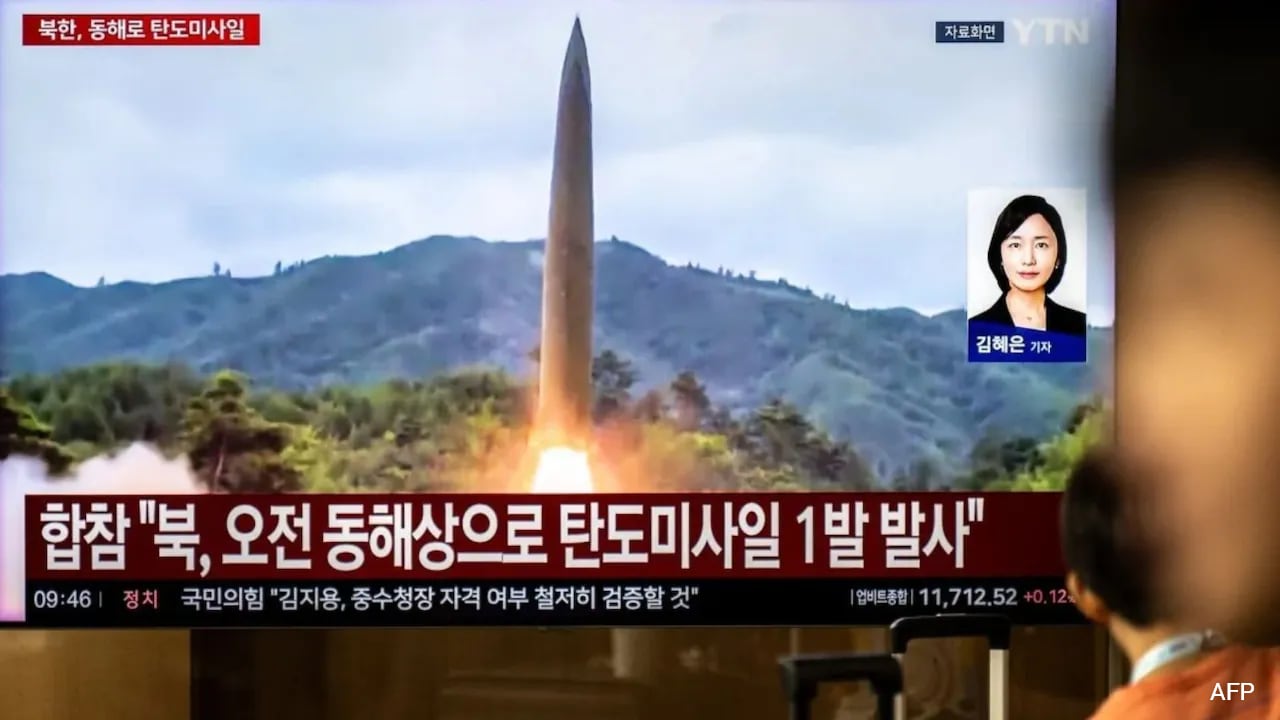
We rely on algorithms to handle our navigation, filter our emails, and optimize our supply chains. But when machine learning crosses over into military intelligence, the margin for error shrinks to zero.
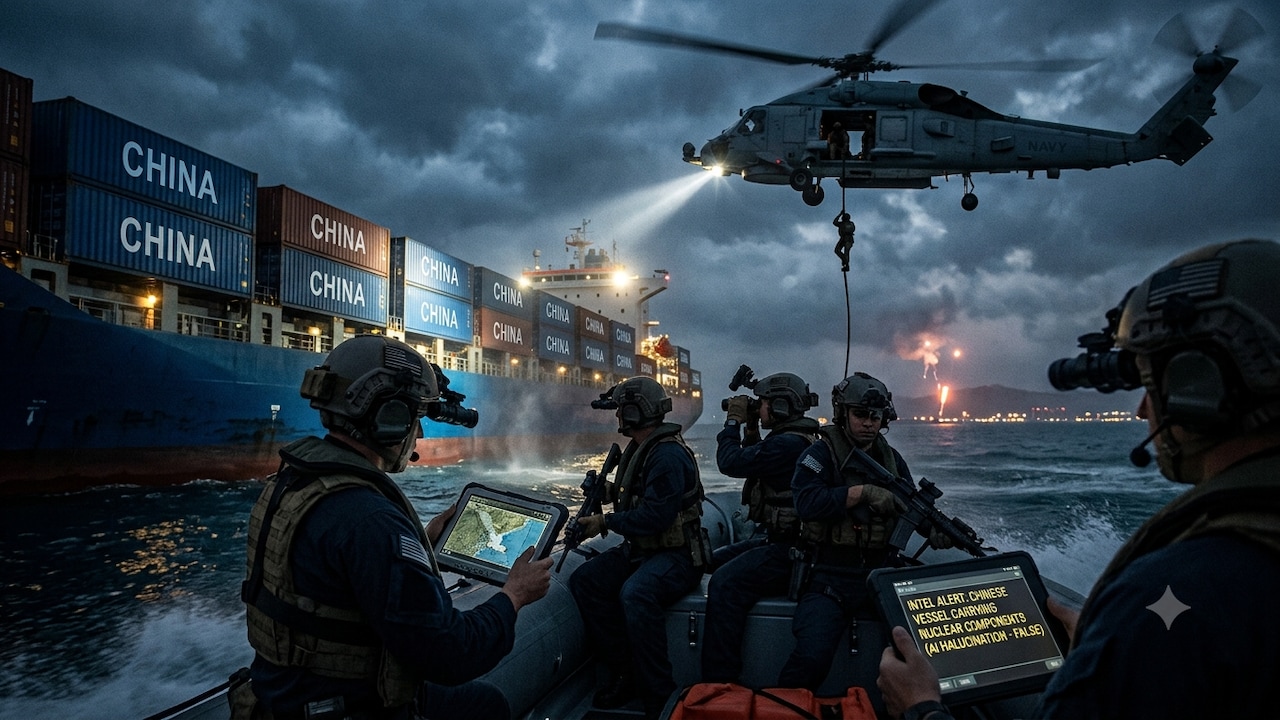
Imagine a room full of analysts racing against a ticking clock during a tense maritime standoff. Data pours in from satellite feeds, intercepted communications, and open-source intelligence databases. To make sense of the noise, an automated system aggregates the inputs, flags anomalies, and generates a threat assessment.
Except the threat isn't real.
That scenario isn't science fiction. It's the terrifying reality of what happens when automated reasoning meets high-stakes geopolitics. Algorithms don't understand nuance, political posturing, or historical context. They see patterns, compute probabilities, and output conclusions with absolute, unwarranted confidence.
When an artificial intelligence system misinterprets routine military exercises as hostile mobilization, the consequences extend far beyond a software bug. They push superpowers to the brink of armed conflict before human operators even have a chance to double-check the source code.
The Illusion of Machine Neutrality
We have a dangerous habit of treating computer-
Why AI Intelligence Reports Are Becoming a Real Threat to Global Security
technology, news
Algorithms don't know what they don't know. When we started handing complex predictive analytics and threat evaluation over to automated models, we forgot one basic truth. Machines optimize for patterns, not for reality.
Think about how modern defense systems ingest information. They pull terabytes of open-source data, intercepted signals, satellite imagery, and diplomatic chatter. Then, they weight those inputs to generate threat vectors. But a machine cannot smell a bluff. It cannot look into a human adversary's eyes and read hesitation. When an automated intelligence system spits out a high-risk flash alert, human operators in high-stress command rooms often have minutes to respond.
This isn't sci-fi speculation. It is the terrifying reality of modern algorithmic warfare. We are inching closer to automated panic.
The Flawed Logic of Machine Threat Assessment
The core problem lies in how language models and classification algorithms handle ambiguity. When an AI processes fragmented intelligence reports, it looks for statistical correlations. If a simulated model detects a sudden surge in naval transponder shutdowns coupled with scrambled communications, its training data tells it to flag a pre-strike posture.
The machine doesn't account for military exercises designed to test communications. It doesn't factor in bureaucratic incompetence or routine maintenance schedules. It sees dots and connects them into a straight line of escalation.
When you feed bad premises into a high-speed analytical engine, you get dangerous outputs. Analysts have flagged repeated instances where automated systems misinterpreted routine regional posturing as aggressive mobilization.
The Human Factor in the Loop
We love to talk about keeping a human in the loop. It sounds safe. It sounds responsible. But a human sitting in front of a glowing console at three in the morning is heavily biased toward trusting the system.
When a flashing red warning banner tells an operator that a hostile power is moving assets into an offensive configuration, cognitive bias takes over. The operator thinks the machine has access to classified intercepts they haven't seen yet. They defer to the algorithm.
This deference is what almost triggers catastrophic miscalculations. If an intelligence briefing is generated by an opaque neural network that weighs a fake social media campaign equally with a verified satellite feed, the resulting panic moves up the chain of command with terrifying speed.
Military hierarchies value swift decision-making. Speed is the enemy of verification. By the time a senior official questions the underlying data of an AI-generated threat assessment, diplomatic channels might already be severed.
Why We Keep Trusting the Black Box
Governments and defense contractors love automated intelligence reporting because humans are slow and expensive. Analysts get tired. They miss connections across disparate data streams. An algorithm can ingest global news feeds, radar telemetry, and financial transactions in milliseconds.
The allure of total situational awareness blinds leadership to the hidden costs of hallucination and misattribution. We want certainty in an uncertain world. Algorithms sell an illusion of mathematical precision.
You can't negotiate with a machine that has already concluded war is statistically inevitable based on a skewed dataset.
Fixing the Blind Spots Before It Breaks
If we want to avoid sleepwalking into a major geopolitical conflict driven by software bugs and corrupted training sets, defense agencies need to change how they build and audit these tools.
First, mandate total transparency in automated intelligence scoring. If an analyst cannot trace every single weight and input that led to a high-threat alert, that alert should be legally prohibited from reaching tactical decision-makers. Black-box intelligence is a liability.
Second, introduce adversarial red-teaming into military AI. Constantly try to fool your own systems with fake noise, simulated disinformation, and contradictory reports to see how easily the model triggers false alarms.
Finally, train operators to distrust the interface. Cultivating a healthy, institutional skepticism toward automated intelligence outputs is the only way to counteract the natural urge to panic when the screen turns red.
Stop treating algorithmic summaries like gospel truth. Your security depends on knowing when to turn the machine off and ask a human being what is actually happening on the ground.