The Feel-Good Trap of "Robo-Lawyers"
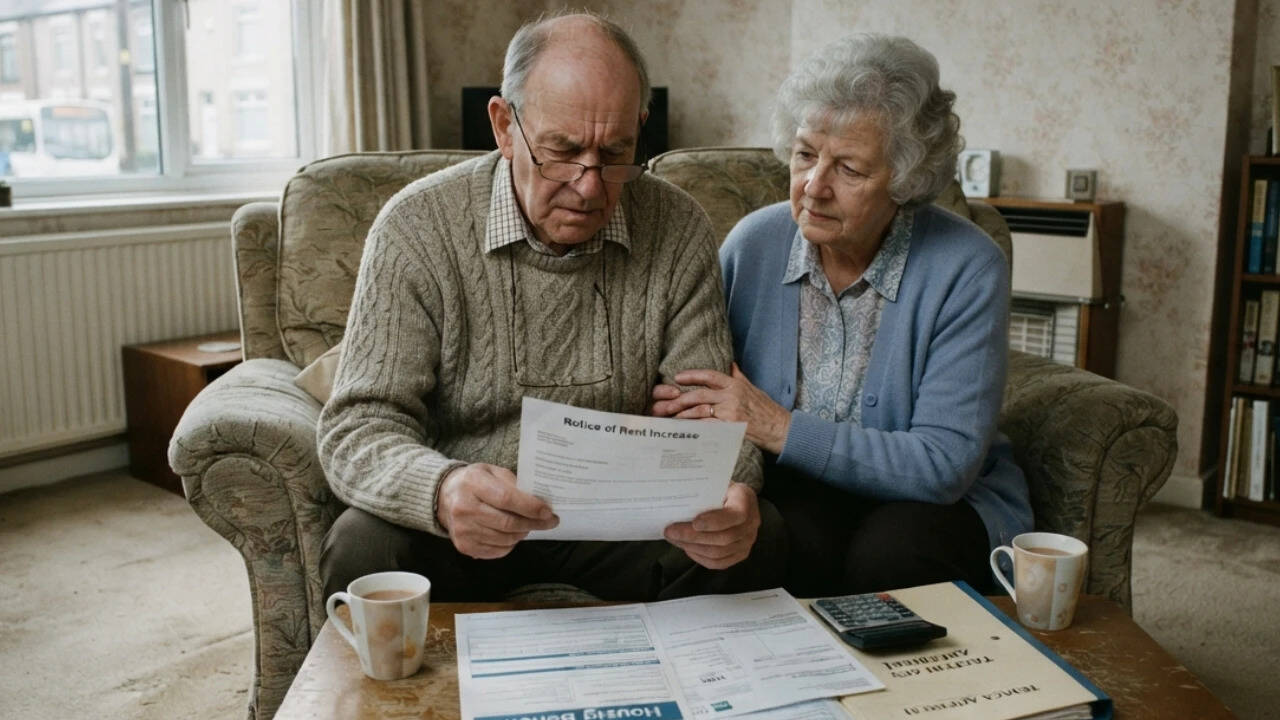
A couple in the UK enters an automated prompt, generates a court document, and successfully wards off an eviction notice to the tune of £1,488. The headlines cheer. The internet applauds. Everyone celebrates the democratization of legal aid.
It makes for fantastic clickbait. It is also an absolute disaster for the future of tenant rights.
What the feel-good stories completely ignore is the mechanical reality of legal proceedings and property economics. Celebrating a algorithm-generated filing because it worked in one specific procedural scenario is like praising a guy for fixing a gas leak with duct tape. Sure, the house didn't blow up today. But you haven't solved the pipeline problem—you've just guaranteed a bigger explosion down the road.
I've watched land sector operators, institutional property managers, and legal teams adapt to tech shifts for two decades. When tenants start deploying automated templates at scale, landlords don't surrender. They adapt, professionalize, and retaliate with systems that cost fifty times as much as whatever app a tenant downloaded for free.
What Really Happened in That Courtroom
Let's break down the mechanics of the case everyone keeps sharing.
The tenant didn't win because an algorithm outsmarted human legal minds on the merits of property law. The tenant won because of a technical failure in paperwork processing. The landlord’s notice contained an administrative error, and the automated script happened to catch a formatting mismatch in the statutory timeline.
In the legal field, we call this a procedural technicality. It is not a triumph of substantive justice; it is a clerical catch.
+-----------------------------------------------------------------------+
|                       THE TEMPLATE TRAP                               |
+-----------------------------------------------------------------------+
|  TENANT ACTION                        LANDLORD RESPONSE               |
|  Generates automated defense ------>  Detects standardized phrasing   |
|  Catches clerical error       ------>  Fixes notice & re-files         |
|  Wins temporary stay          ------>  Retains specialized counsel    |
|  Celebrates quick win         ------>  Enforces eviction cleanly      |
+-----------------------------------------------------------------------+
When a human housing solicitor looks at an eviction file, they aren't just scanning for date typos on a Section 21 notice. They assess:
- The long-term relationship dynamic between the parties.
- Counter-claims regarding property disrepair or unreturned deposits.
- Negotiated surrender terms that prevent an eviction from wrecking the tenant's credit score.
An automated language model does none of this. It parses text, matches patterns against standard statutory formats, and outputs a response. When you rely on pattern-matching to solve a complex human conflict, you aren't getting legal defense. You're getting an automated form filler.
The Asymmetry Problem: Landlords Have Better Tools
Here is the truth no one selling "AI legal tools" wants to acknowledge: automation favors capital, not the consumer.
If tenants use basic language tools to fight evictions, institutional landlords will respond by automating the eviction pipeline itself. And they will do it with enterprise software, real-time court docket integration, and high-priced legal oversight.
Imagine a scenario where a property management company controlling 5,000 units deploys an automated system. The moment a rent payment misses the grace period, the system:
- Generates flawless, perfectly formatted statutory notices verified against current case law.
- Cross-references local court schedules to optimize filing dates.
- Automatically triggers enforcement actions the exact minute a deadline expires.
When both sides automate, the party with the financial resources to hire human professionals to oversee the software wins every single time. By turning housing disputes into a war of automated filings, tenants are inviting landlords to play a high-speed game of technological chess where the landlord owns the board.
The "Free Legal Advice" Lie
Ask any practicing litigation specialist about open-access language models, and they will tell you the same thing: confidence is not competence.
Standard models are probabilistic engines designed to sound convincing, not to be accurate under cross-examination. They don't know the law; they know the structure of sentences about the law.
   [ Probability Engine ]  !==  [ Legal Reasoning ]
   Generates plausible text      Understands statutory intent
   Matches syntax patterns       Applies judicial discretion
   Ignores local court rules     Adapts to bench tendencies
When an untrained individual uses these tools to draft court documents, three things happen:
1. Missing the Core Defense
The tool focuses on obvious surface-level technicalities while ignoring substantive defenses like statutory deposit breaches or fitness-for-habitation claims.
2. Procedural Estoppel
By filing an automated document, the tenant locks themselves into a specific legal theory. When they later get access to real legal aid, their human counsel is trapped by the poorly framed arguments already submitted to the record.
3. Pissing Off the Judge
Judges hate reading verbose, generic, algorithmic prose designed to sound like a textbook. Courtrooms run on conciseness and context. Submitting five pages of hallucinated legal precedent is a fast track to losing judicial sympathy.
Dismantling the "People Also Ask" Mythos
The internet is flooded with terrible questions about tech-driven legal fixes. Let's tackle the worst ones directly.
"Can an algorithm replace a housing lawyer?"
No. A lawyer’s primary value is not writing forms; it is risk management and negotiation. An algorithm cannot read the temperament of a county court judge, negotiate a confidential cash-for-keys settlement, or spot when a landlord is bluffing.
"Isn't any legal help better than no legal help?"
Wrong. Bad legal advice is demonstrably worse than no legal advice because it creates a false sense of security. A tenant who knows they have no legal defense will start searching for alternative housing immediately. A tenant who thinks their magic computer script guarantees a win will stay put until the bailiffs show up, destroying their rental history in the process.
"How can tenants level the playing field?"
Not by downloading apps. They do it by joining tenant unions, utilizing properly funded legal assistance organizations, and pushing for actual statutory reform. Collective bargaining and statutory protection beat automated form-filling every day of the week.
The Unintended Consequences for Renters
Let's look at the secondary effects of this trend over a three-year horizon.
As automated tenant defenses become common, landlords will adjust their risk models. They won't just sit there and take the increased friction of processing evictions. They will protect themselves up front.
Expect to see:
- Higher Security Deposits: Landlords pricing in the potential cost of delayed proceedings.
- Stricter Screening Criteria: Automated tenant screening tools filtering out anyone without flawless credit histories to avoid potential legal friction later.
- The Death of Informal Resolution: When every dispute turns into a battle of automated documents, the room for casual human negotiation vanishes. Landlords will outsource management entirely to aggressive property firms using hardline enforcement protocols.
By celebrating a single £1,488 win achieved through automated filings, we are cheering for the very trend that will make renting harder, more expensive, and far more hostile for everyone else.
Stop treating consumer software as a silver bullet for structural socio-economic problems. If you are facing an eviction, skip the script generator. Talk to a real legal aid officer, contact a local tenant union, or negotiate directly with your housing provider.
Automated tools are fine for drafting customer service complaint emails. Relying on them to keep a roof over your head isn't innovation—it's reckless gamble disguised as progress.