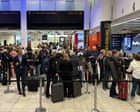
You arrive at Terminal 5 hours early. Your boarding pass is clutched in your hand. Then the departure board flashes red. Flight delayed. Ground stop. Air traffic control issues. It is the most frustrating phrase in modern travel, and if you fly through Heathrow or Gatwick, you are hearing it far too often.
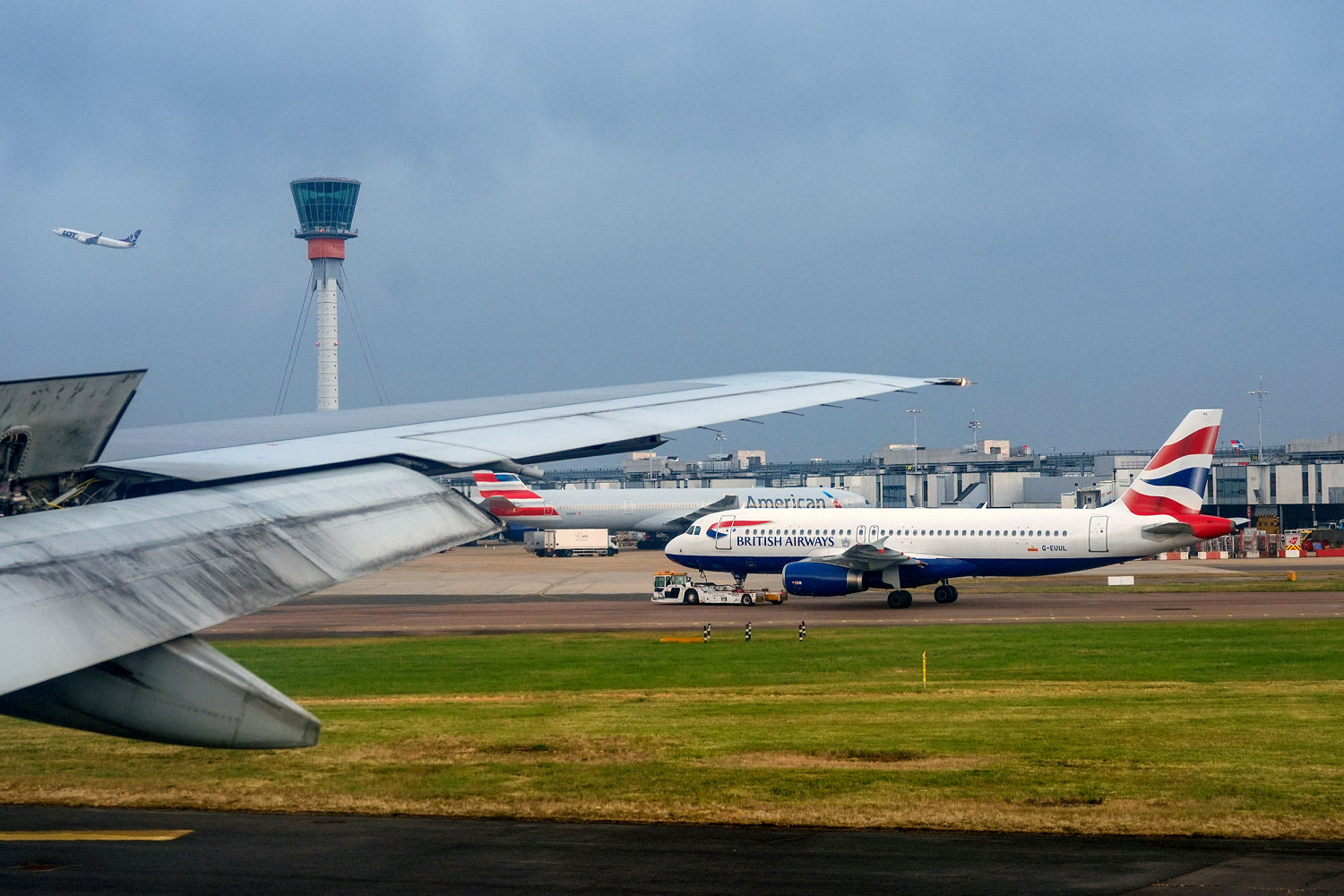
Planes sit idle on the tarmac while passengers stare out at empty runways. Why does the busiest airspace in the United Kingdom constantly bottleneck? The problem goes deeper than a simple software glitch or a sudden storm. It is a mix of outdated infrastructure, chronic staffing shortages, and a system that buckles under the weight of peak demand.
The Reality of UK Airspace Bottlenecks
Let us be completely honest about how fragile the network really is. Heathrow operates near maximum capacity on just two runways. Gatwick handles an enormous volume of single-runway traffic. When air traffic control systems experience hiccups, the ripple effects stretch across Europe within minutes.
You cannot just add more lanes in the sky like an expanding highway. Flight paths are rigidly mapped, tightly monitored, and heavily dependent on human operators who make split-second safety decisions. When technology stutters or controllers are forced to restrict hourly arrival rates due to staff absences, the schedule shatters.
A technical restriction at Swanwick or local tower constraints means departure slots vanish. Airlines absorb the financial hit, but you pay the price in lost vacation days and missed connections.
Why Staffing and Technology Collide
Technology upgrades in aviation move at a glacial pace. Safety is paramount, so new systems undergo years of testing. But that means air traffic controllers often work with tools that feel decades behind modern consumer tech.
Staffing remains a constant hurdle. Training a certified air traffic controller takes years. It is an intense, high-stress job with strict retirement age limits and grueling shift patterns. When sickness or training backlogs hit, management has very little wiggle room.
- Capacity limits: Heathrow and Gatwick lack the physical space to expand rapidly.
- Legacy systems: Core monitoring software often requires careful patches rather than quick overhauls.
- Cascading delays: A morning fault in southern England guarantees evening cancellations in Scotland or Spain.
What You Should Do When the System Breaks
You cannot fix the National Air Traffic Services infrastructure from seat 14B. You can, however, protect yourself when things go sideways.
Book the first flight of the day. Airlines schedule the earliest departures before delays accumulate across the network. If a mid-afternoon wave of flights gets grounded because of air traffic control caps, morning departures usually slip through.
Keep airline apps updated on your phone. Notifications often reach your screen before gate agents make announcements. If you see a ground stop looming, immediately open the app and look for rebooking options or alternative routes. Do not wait in a massive customer service queue while hundreds of other frustrated travelers fight for the same seats.
Passenger rights laws offer some protection, but you have to know how to use them. Delays caused by air traffic control restrictions are often classified under extraordinary circumstances by airlines seeking to avoid compensation payouts. Push back politely. If the root cause stems from airline operational choices or localized roster mismanagement rather than severe weather, you have leverage.
Check alternative airports if your trip allows flexibility. Shifting a journey from Gatwick to a regional hub or rail link can save an entire itinerary.
The next time you hear that familiar announcement about airspace restrictions, remember the machinery behind the window. Pack your patience, secure your digital backups, and always assume the schedule is more fragile than it looks.