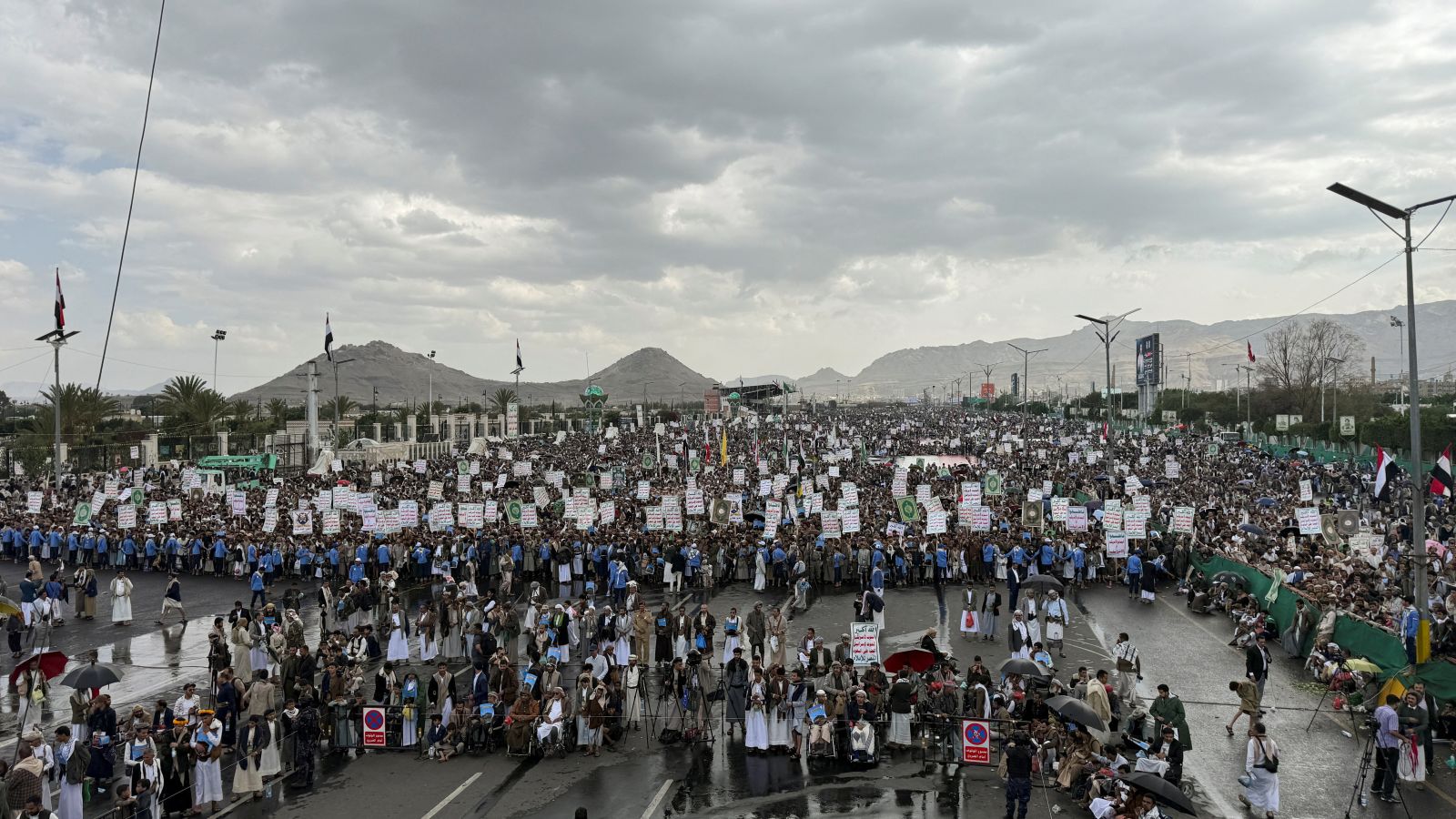
Tirana's streets are filled with smoke, shattered glass, and a generation of young Albanians who refuse to back down. If you look past the standard political headlines, what's happening in Albania isn't just another localized riot. It's a full-scale collision between a deeply entrenched veteran leader and youth who feel their future has been sold off to the highest bidder.
Prime Minister Edi Rama is facing the toughest crisis of his 13-year rule. Yet, he's digging his heels in, flatly refusing to resign while student-led protests continue to convulse the capital. Let's break down what's actually driving this boiling anger, why the "flamingo revolution" caught fire, and why neither side is willing to blink.
The Spark Behind the Flamingo Revolution
Every mass movement needs a focal point, and for Albanian students, it started with the land. What began as fierce opposition to a controversial luxury tourism project on pristine coastal land—including the uninhabited island of Sazan, backed by high-profile foreign investors—quickly morphed into something much larger.
Locals and students dubbed it the "flamingo revolution" because of the ecological threat posed to fragile wetlands. But environmental concerns rapidly exposed deeper, chronic frustrations. Young Albanians are staring down rampant corruption, high living costs, and a lack of economic mobility that pushes thousands to emigrate every single year.
When protesters took to the streets demanding the cancellation of the coastal projects, the government’s initial response felt dismissive. That minor friction point erupted into running street battles with riot police, ransacked public buildings, and tear gas blanketing Skanderbeg Square.
Why Edi Rama Refuses to Step Down
Edi Rama is no stranger to political street fighting. Decades ago, he was a student activist protesting against the post-communist regime, meaning he knows precisely how youth-led movements operate. That exact background might be why he's refusing to budge now.
Rama frames his survival around a singular, grand ambition: leading Albania into the European Union by 2030. He pitches himself as the only statesman capable of securing that European future, frequently dismissing the protests as chaotic vandalism or foreign-backed attempts to derail the nation's progress.
From his perspective, caving to violent street demonstrations sets a dangerous precedent. He has condemned the property destruction and clashes while drawing a sharp line between legitimate student grievances over education costs and what he terms criminal hooliganism. By holding his ground, Rama is betting that public fatigue with civil unrest will eventually outweigh public anger at his administration.
The Core Grievances Nobody Can Ignore
You can't write off months of sustained protests simply as mindless riots. The people marching in Tirana are pointing to systemic fractures that structural reforms haven't fixed.
- Economic Dead Ends: Young graduates find few well-paying jobs at home, turning Albania into a nation losing its brightest minds to Western Europe.
- Elite Real Estate Deals: Controversial mega-resorts on protected coastlines symbolize a system where powerful political elites profit while local communities lose public land.
- Democratic Fatigue: After more than a decade in power, Rama’s administration faces accusations of institutional capture, stifling independent media, and ignoring public consultation.
When peaceful demonstrations are met with heavy-handed policing, rubber bullets, and subsequent crackdowns, it only hardens the resolve of the demonstrators.
What Happens Next in Tirana
Political analysts in Tirana agree on one thing: there is no clean, easy exit from this standoff. Protesters continue to organize despite mass arrests and heavy police presences, demanding not just policy tweaks but a complete government reset and early elections.
Meanwhile, Rama continues to juggle infrastructure promises, police salary increases, and his EU accession timeline. He's banking on international backing and domestic fatigue to weather the storm. But the social contract between the state and its younger citizens is badly frayed. Until the underlying economic and systemic corruption issues are genuinely addressed, the smoke in Tirana won't clear for long.
Students Protest In Albania, Demand PM Edi Rama's Resignation Amid Growing Unrest
This video provides on-the-ground footage and context regarding the student-led protests and clashes in Tirana.