The air inside the protocol lounge of a diplomatic venue carries a specific, artificial stillness. It smells faintly of beeswax, industrial air filtration, and the sharp, metallic tang of nervous energy. Outside, the world moves at its usual chaotic pace. Inside, history is reduced to centimeters.
We tend to look at state visits through a lens of profound boredom. We see the stiff photographs in morning papers. We read the sterile press releases written by committee. Prime Minister Narendra Modi meets King Willem-Alexander and Queen Maxima of the Netherlands. The words themselves act as a sedative. They tell us that views were exchanged, that ties were strengthened, that bilateral cooperation was discussed. They offer us the skeleton of an event but strip away the flesh, the blood, and the heartbeat.
But stand close enough to the center of these rooms, and the dry prose of geopolitics evaporates. You begin to see these meetings for what they actually are: high-stakes theater where the actors carry the weight of millions of lives in the curve of their shoulders.
The Anatomy of Three Seconds
Consider the mechanics of the initial greeting. It lasts perhaps three seconds. To the casual observer, it is a formality, a required checkbox before the real work begins in closed sessions.
That view is entirely wrong.
In those three seconds, a silent, intense calculus occurs. When Narendra Modi meets the Dutch monarchs, it is not merely an intersection of titles. It is a collision of distinct historical trajectories. On one side is a Prime Minister whose political identity is forged in the heat of a massive, sprawling democracy of over 1.4 billion people—a leader accustomed to scale, intensity, and rapid transformation. On the other side is the House of Orange-Nassau, a monarchy deeply woven into the fabric of a European nation that built its historical wealth on maritime mastery, water management, and global trade networks.
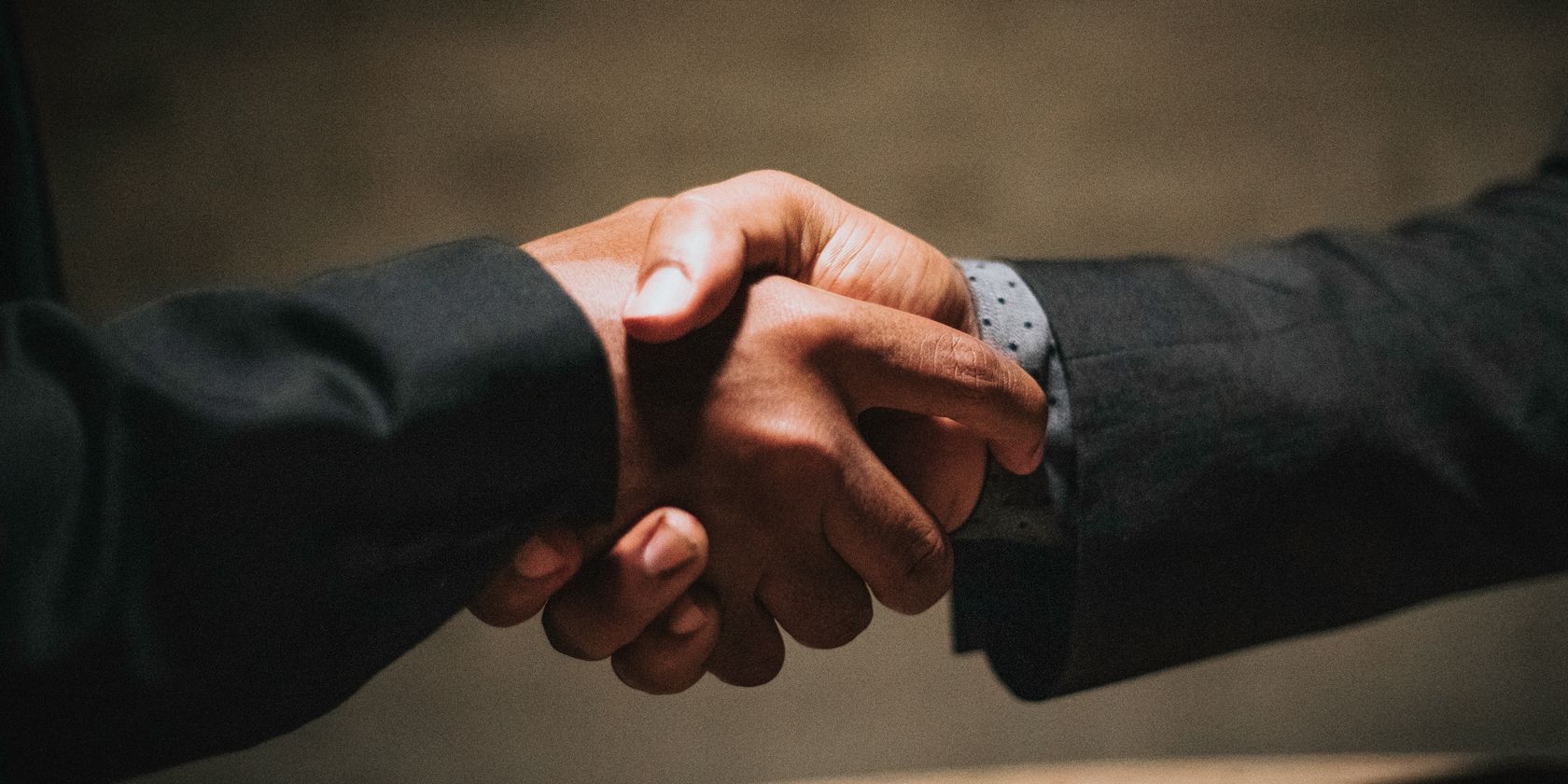
The handshake is where these two realities negotiate their terms.
Watch the body language closely. It is a dance of micro-expressions. A slight tilt of the head signals deference or assertion. The firmness of the grip communicates resolve. The warmth in the eyes—or the lack thereof—can validate months of behind-the-scenes bureaucratic labor or dismantle it entirely. If the interaction feels forced, the market indices in Mumbai and Amsterdam might not move tomorrow, but the mid-level diplomats in the back row will feel a chill that slows down trade negotiations for the next six months.
When the cameras flash, the public sees a static image of unity. What they miss is the invisible thread of tension holding that unity together.
The Water and the Soil
To understand why this specific meeting matters, we have to look past the tailored suits and the ceremonial opulence. We have to look at the dirt and the water.
Imagine a farmer in the water-stressed regions of Maharashtra. His soil is cracked. His crop yield depends on an increasingly erratic monsoon cycle. He has never heard of King Willem-Alexander. He does not know where the Netherlands sits on a map. Yet, his survival is tethered to the conversation happening in that air-conditioned room.
The Netherlands is a geographic anomaly. A significant portion of its land sits below sea level. For centuries, the Dutch did not just live on their land; they fought the ocean for it. They invented modern water management out of sheer necessity. They mastered precision agriculture because they had no space to waste. Today, this tiny European nation is one of the world's largest exporters of agricultural products by value.
Now, look back at India. India possesses vast tracts of arable land but faces massive inefficiencies in cold-chain logistics, water conservation, and crop management.
When the Prime Minister and the Dutch Royals sit down to discuss "strengthening ties," they are not talking in abstract philosophical terms. They are trading survival strategies. The invisible stake in this room is the technology that can keep that farmer’s field in Maharashtra green. It is the implementation of Dutch dredging expertise to save Indian rivers from silting. It is the deployment of smart-agriculture sensors that tell a village exactly how many drops of water a single seed requires.
This is the true core of diplomacy. It is the process of translating a royal conversation into tangible infrastructure that prevents a crop from dying two thousand miles away.
The Unspoken Language of the Queen
While the political machinery grinds between the Prime Minister and the King, Queen Maxima brings a different, highly specialized currency to the table.
For years, the Queen has served as the United Nations Secretary-General’s Special Advocate for Inclusive Finance for Development. This is not an honorary title designed for ribbon-cutting ceremonies. It is a technical, demanding role focused on a simple, devastating problem: how do you give the world’s poorest people access to a bank account?
India has spent the last decade executing one of the largest financial inclusion experiments in human history. Through the combination of biometric identification and digital banking infrastructure, hundreds of millions of citizens who previously existed outside the formal economy were given access to bank accounts.
When the Queen and the Prime Minister discuss financial inclusion, the dynamic shifts. It becomes a peer-to-peer exchange of hard-earned data. They are discussing the micro-vulnerabilities of a street vendor in Delhi who can now receive a government subsidy directly on her phone, bypassing the corrupt middlemen who used to skim the edges of her livelihood.
The conversation in the room turns to the digital public infrastructure. The stakes here are ideological and systemic. The Western world watching this meeting often views financial systems through the lens of legacy institutions—massive banks, complex regulatory frameworks, slow adaptation. India and the Netherlands, in this specific context, are looking at the frontier. They are looking at how digital finance can be used as a tool for poverty alleviation on a scale that was unimaginable twenty years ago.
The Friction in the Smooth Narrative
It is tempting to paint these state visits as flawless exercises in mutual admiration. The official communiqués certainly want you to believe that. They use words like harmony, shared values, and enduring friendship.
But real diplomacy is born out of friction, not consensus.
India and the Netherlands do not see the world through the same lens. They cannot. Their geopolitical realities are fundamentally different. The Netherlands is a core member of the European Union and NATO, viewing global security through a traditional Western framework. India navigating its own complex neighborhood, balances relationships across a multipolar world, often refusing to align with Western mandates on global conflicts.
Behind closed doors, after the press has been ushered out and the heavy oak doors click shut, the atmosphere changes. The smiles soften into serious expressions. The language becomes sharper, more precise.
There are difficult conversations about supply chain dependencies. The Dutch want guarantees that their investments in Indian manufacturing sectors are protected from bureaucratic red tape. The Indians want easier visa pathways for their highly skilled tech professionals seeking to work in the tech hubs of Eindhoven and Amsterdam. There is a quiet, intense push-and-pull over trade tariffs and environmental regulations.
This friction is not a sign of failure. It is the sign of a working relationship. True alignment is not the absence of disagreement; it is the capacity to manage disagreement without breaking the connection. The success of the meeting between Modi and the Dutch monarchs is measured by their ability to sit in that friction, acknowledge the divergent interests of their nations, and still find the narrow path where their trajectories overlap.
The Echo in the Port
To see the ultimate consequence of this three-second handshake, you have to leave the diplomatic corridors entirely. You have to travel to the massive, industrial expanse of the Port of Rotterdam, the gateway to Europe. Or you have to stand on the bustling docks of the Jawaharlal Nehru Port Trust in Mumbai.
The decisions made by these three individuals determine the speed at which container ships move across the ocean. They dictate whether a new green hydrogen corridor will connect the renewable energy plants of India to the energy grids of Western Europe.
When the meeting ends, there are no dramatic declarations. There is no sudden, cinematic shift in global affairs. Instead, a series of quiet directives are issued. A joint working group on water is scheduled. A maritime memorandum is updated. A tech summit is planned for the following winter.
The world moves on, distracted by louder, more chaotic news cycles. The photographs of the Prime Minister, the King, and the Queen fade into the archives, becoming footnotes in the long history of bilateral relations.
But the stillness of that protocol lounge remains. It is a reminder that beneath the grand theater of statesmanship, diplomacy is a profoundly human endeavor. It relies on the fragile, temporary alignment of individual wills, the shared understanding of mutual vulnerabilities, and the quiet realization that in an interconnected world, no nation can survive entirely on its own soil.