Rainforests don't usually run out of water. Yet every few years, extreme dry spells turn the world's largest river basin into a fragmented network of dry mud and stranded boats. When water levels plummet, river communities face a double crisis. Their transport routes dry up, and fuel deliveries screech to a halt.
For decades, remote villages relied on noisy diesel generators to keep the lights on and water pumps running. That system broke down every time severe weather hit. If boats can't navigate shallow rivers, diesel barrels don't arrive. When fuel runs out, electricity stops instantly.
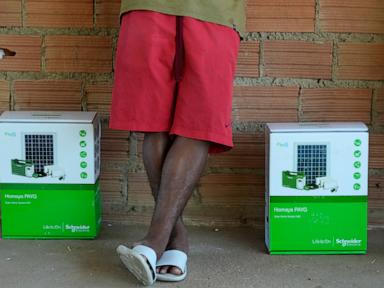
Communities are finally breaking this toxic cycle. By installing decentralized solar microgrids, Amazonian villages are trading volatile fossil fuels for reliable local energy. It's not just an environmental upgrade. It's a matter of basic survival when severe weather strikes.
The Diesel Trap in the Jungle
Shipping diesel down winding Amazonian tributaries sounds simple on paper. In practice, it's an expensive, logistically nightmarish ordeal.
Fuel barrels must travel hundreds of miles by cargo boat, transfer to smaller skiffs, and get hauled up muddy riverbanks. By the time diesel reaches an isolated community, the price per gallon has skyrocketed because of transport costs. Villages spend massive portions of their local budgets just buying fuel to run generators for a few hours each evening.
Generators also break down constantly. Humidity wreaks havoc on internal combustion engines, spare parts are rare, and local mechanics rarely have formal training. When a piston cracks, a village might sit in the dark for months waiting for replacement parts to clear customs and navigate the waterways.
Noise pollution ruins the evening calm. Thick black exhaust coats local vegetation. Diesel spills contaminate fragile soil and waterways. The financial and ecological costs are staggering. Yet for a long time, remote populations had zero alternatives.
How Solar Energy Changes the Equation
Sunlight hits the Amazon Basin reliably year-round. Even during heavy cloud cover or smoky dry seasons, photovoltaic panels generate steady electricity.
Mini-grids change everything for remote settlements. Instead of relying on a single large generator that chugs fuel around the clock, communities use battery-backed solar arrays. Energy gets captured during peak daylight hours, stored safely in lithium or advanced lead-acid battery banks, and distributed via micro-transmission lines to local homes, schools, and health clinics.
Maintenance requirements drop significantly. Solar panels lack moving parts. They don't need oil changes, fuel filters, or continuous calibration. A quick rinse to clear dust or bird droppings keeps them running efficiently for decades.
Local technicians can learn basic solar maintenance in a few days. If a inverter fails or a fuse blows, local teams can swap parts without waiting for a supply ship to brave low-water rapids.
Surviving El Niño Droughts
Severe climate patterns like El Niño trigger brutal dry seasons across South America. Tributaries shrink into narrow streams. Major shipping lanes close entirely to heavy cargo vessels.
When water levels drop too low for diesel barges, solar-powered systems keep functioning without missing a beat. The sun doesn't care if the river is navigable. The panels keep soaking up rays and charging batteries regardless of transport logistics.
This energy independence transforms disaster preparedness. Water purification systems run continuously during droughts, preventing waterborne illnesses when clean river water grows scarce. Refrigerators in community health posts keep vaccines and medicines stable despite soaring ambient temperatures. Communication towers stay powered, allowing residents to coordinate emergency food and supply drops with government agencies.
Communities aren't just keeping refrigerators cold. They're retaining agency over their own well-being during environmental crises.
Overcoming Real-World Hurdles
Transitioning an off-grid jungle community to renewable energy sounds straightforward, but engineers face massive hurdles on the ground.
Transportation remains a hurdle even for solar hardware. Inverters and batteries are heavy. Hauling delicate electronic components across unpaved roads and wooden suspension bridges requires careful planning. Heavy equipment often has to travel by specialized canoes during high-water windows just to reach installation sites.
Community buy-in dictates project success. External organizations cannot simply drop off solar panels and walk away. If local residents don't understand how to manage loads or monitor battery health, systems fail prematurely. Successful initiatives involve extensive training programs where local operators learn system diagnostics and basic electrical safety.
Financing models require careful structuring. Traditional banks shy away from remote indigenous communities due to perceived credit risks. Micro-grants, international climate funds, and public-private partnerships usually foot the upfront capital costs. Once installed, low operating expenses make these systems self-sustaining.
The Broader Impact on Rural Development
Reliable electricity unlocks economic opportunities that diesel generators could never support sustainably.
Running a diesel generator for twelve hours a day costs too much for small-scale agricultural processing. With cheap solar power running micro-enterprises, farmers can process and vacuum-pack local produce locally instead of selling raw materials for pennies. Refrigeration allows fishermen to store catch safely before shipping it to larger regional markets.
Schools extend operating hours into the evening. Students study under bright LED lights instead of dim, smoky kerosene lamps that damage indoor air quality and eyesight. Internet connectivity follows electricity, opening digital education and telemedicine portals that bridge the geographic divide between remote jungle outposts and major cities.
What Needs to Happen Next
Scaling renewable energy across the Amazon basin requires shifting priorities at the policy level. Governments must redirect fossil fuel subsidies toward decentralized clean energy infrastructure. Regional energy authorities need to stop treating remote river communities as impossible-to-reach anomalies and start viewing them as testbeds for resilient microgrid design.
Investors should recognize that rural solar projects in tropical zones offer high social returns and genuine climate resilience. Local leaders must demand energy sovereignty as a core component of climate adaptation budgets.
The climate challenges facing the Amazon are escalating rapidly. Dry seasons arrive sooner and last longer every year. By abandoning diesel dependence and embracing solar microgrids, remote communities are buying themselves time, stability, and a fighting chance against an unpredictable future.