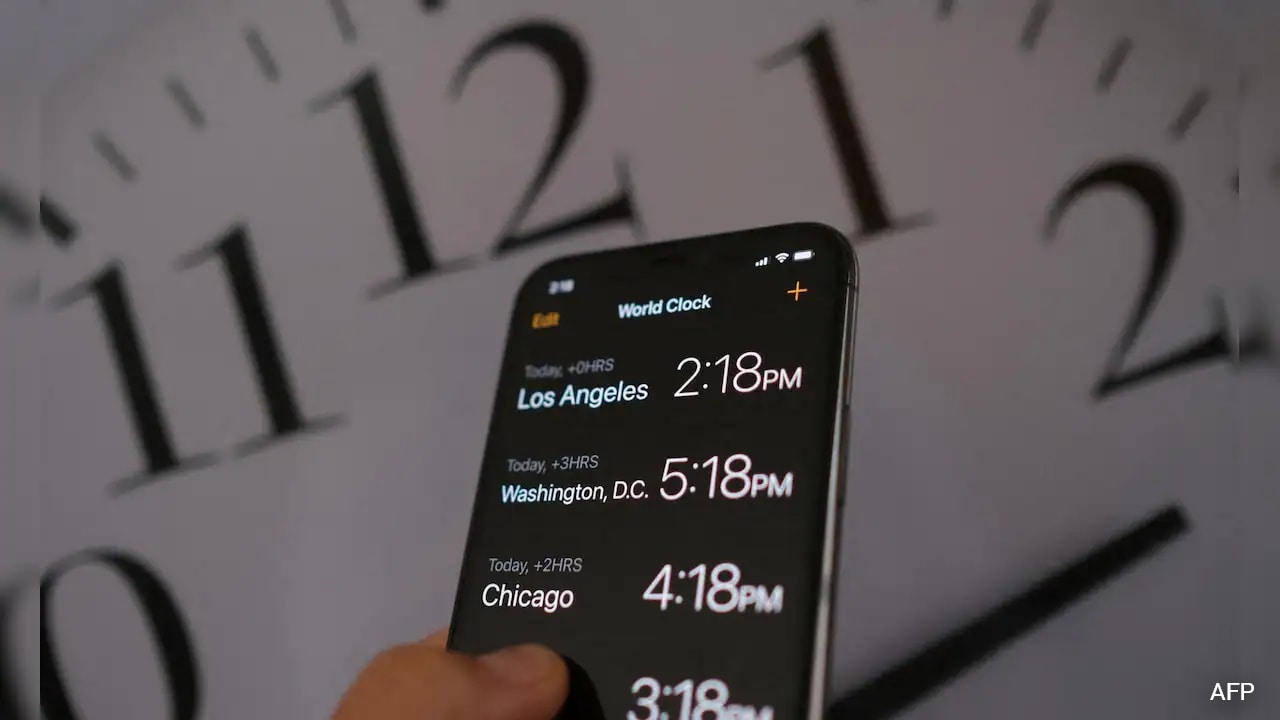
You are probably tired of changing your clocks. Honestly, almost everyone is. That twice-a-year ritual of resetting microwave clocks and dealing with a week of foggy, sleep-deprived mornings is universally hated. In fact, a recent AP-NORC poll showed that only 12% of Americans want to keep the current system.
The U.S. House of Representatives heard that frustration loud and clear. In a lopsided 308-117 bipartisan vote, lawmakers passed the Sunshine Protection Act, a bill designed to make Daylight Saving Time (DST) permanent across most of the nation. Supported by President Donald Trump—who has repeatedly called seasonal clock shifts "ridiculous"—the bill is now heading to the Senate.
On paper, keeping daylight saving time year-round sounds amazing. You get more sunlight in the evening, longer afternoons for outdoor activities, and a boost to local businesses like golf courses and retail shops.
But here is the catch: permanent daylight saving time is a terrible idea that we already tried once, hated, and immediately reversed.
The Winter Morning Nightmare
If the Senate passes the Sunshine Protection Act and it becomes law, you won't have to touch your clocks in November. But you will have to deal with pitch-black winter mornings.
Under permanent daylight saving time, the sun wouldn't rise until nearly 9 a.m. in several parts of the country during the winter months.
- In Detroit, the sun wouldn't rise until 8:58 a.m. on New Year's Day.
- In Minneapolis, sunrise would drag out until 8:51 a.m.
- Even in Washington, D.C., mornings would stay dark until around 8:30 a.m..
Imagine sending your children to the bus stop or walking them to school in complete, midnight-like darkness. Picture your morning commute starting in the dead of night. Opponents of the bill, including Senator Tom Cotton of Arkansas, point out that this isn't just depressing—it's highly dangerous for pedestrian safety and school children.
We Already Tried This and It Failed Spectacularly
Americans have short memories when it comes to federal policy. The US actually established permanent daylight saving time once before, and the experiment blew up in Congress's face.
In January 1974, during the height of the OPEC oil crisis, President Richard Nixon signed a bill putting the country on year-round DST to save energy. The public initially loved the idea, with approval ratings sitting around 79%.
Then winter actually arrived.
By January 1974, parents were outraged. Children were getting hit by cars on their way to school in the pitch black. Florida alone reported that eight children were injured or killed in traffic accidents during those dark morning hours. Public approval plummeted to 30% in a matter of weeks.
Congress panicked. By October 1974—less than ten months into the two-year trial—President Gerald Ford signed a bill to repeal the law and return the nation to standard winter time.
If we "lock the clock" on daylight saving time today, we are setting ourselves up to repeat history.
What Your Brain Wants vs. What Politicians Want
Politicians love permanent daylight saving time because it pleases business lobbies. The Chamber of Commerce, golf course operators, and outdoor retail brands have spent over a century pushing for extra evening light, knowing that people spend more money when the sun is still out after work.
But sleep doctors and neuroscientists are practically screaming at Congress to stop.
Organizations like the American Academy of Sleep Medicine (AASM) argue that our bodies are biologically wired for permanent standard time, not daylight saving time.
Your internal circadian rhythm is set by the sun. Morning sunlight is essential because it shuts off the production of melatonin (the sleep hormone) and releases cortisol, helping you wake up, feel alert, and stay focused. Darker mornings make it incredibly difficult to wake up, while late evening light delays your body's natural urge to sleep.
By pushing sunsets later into the night during winter, permanent DST causes chronic sleep deprivation. You stay up later but still have to wake up at the same time for work or school. Over time, this chronic fatigue is linked to increased cardiovascular risks, metabolic issues, and seasonal depression.
The Workarounds and Exemptions
If the Sunshine Protection Act clears the Senate and gets signed, it won't apply to everyone. Hawaii, most of Arizona, and territories like Puerto Rico and Guam already observe permanent standard time and would be allowed to keep their current setup.
The bill also has a provision allowing states to opt out and choose permanent standard time instead of permanent DST, provided they make the change before the federal law officially takes effect.
This could create a massive headache for businesses and travelers. If some states choose permanent daylight saving time while neighboring states opt for permanent standard time, the country's time zone map will look like a chaotic checkerboard.
Your Next Steps to Prep for the Clock Lock
While the Senate still has to vote, the overwhelming House victory means we are closer than ever to a permanent shift. If you want to prepare your family and your health for the possibility of pitch-black winter mornings, you need to change your habits now.
Invest in high-quality light therapy lamps (or "happy lights") for your home and office. Turning these on for 20 to 30 minutes right after you wake up can mimic morning sunrise, helping suppress melatonin and jumpstart your morning alertness.
You should also plan to adjust your children's morning safety gear. Stock up on reflective backpacks, high-visibility jackets, and small safety lights for their walks to school or wait times at the bus stop.
Finally, do not wait until the law changes to protect your sleep. Keep a strict sleep schedule even on weekends to build up your circadian resilience. The battle over our clocks is heating up, and your biological clock is the one that will pay the price.