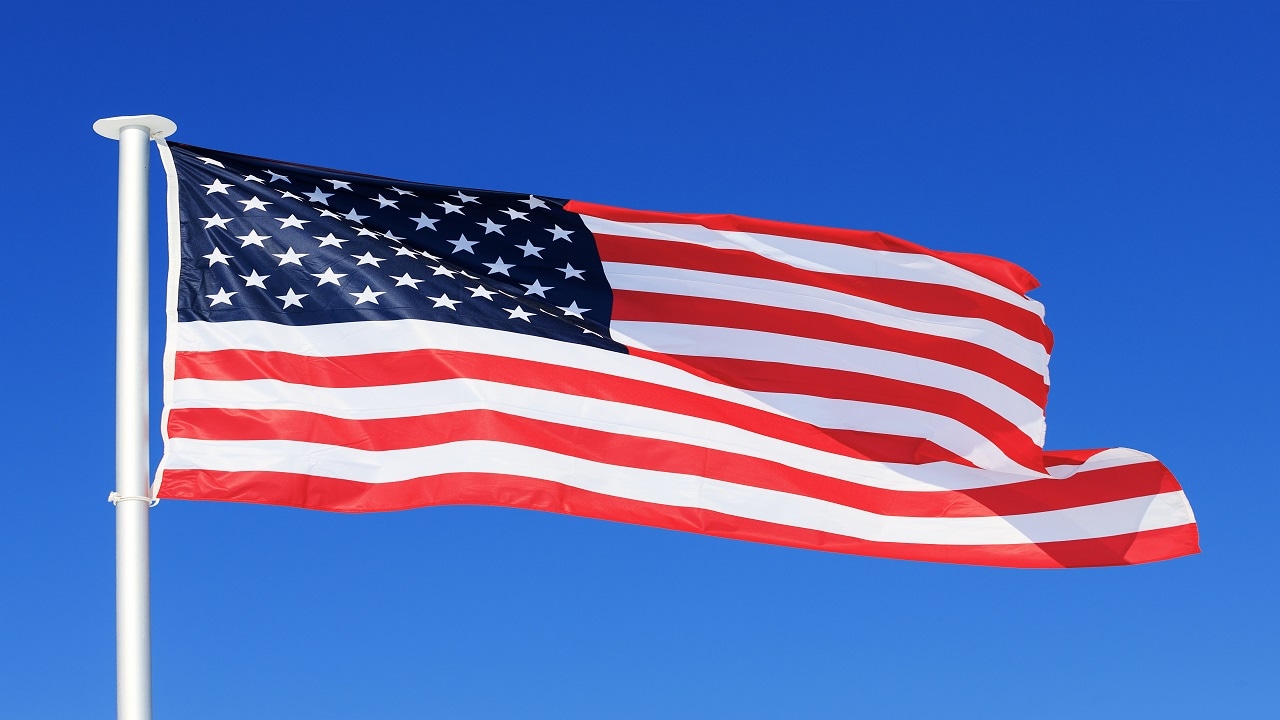
The stars and stripes are back in the Caracas breeze. After years of empty flagpoles and boarded-up windows at the U.S. Embassy in Venezuela, the American flag was raised this week, marking the first time it’s flown there since 2019. It’s a sight many thought they’d never see again, or at least not while the current political landscape remained so fractured. This isn't just about a piece of fabric going up a pole. It represents a massive shift in how the U.S. and Venezuela are talking—or finally trying to talk—after a half-decade of total diplomatic silence.
For years, that building in the Valle Arriba neighborhood sat like a ghost ship. When the Trump administration cut ties and recognized Juan Guaidó as the legitimate leader, the embassy staff packed their bags and left. Since then, we’ve seen sanctions, protests, and a humanitarian crisis that sent millions fleeing. Now, the return of the flag signals that the "maximum pressure" era has officially morphed into something else. It’s a messy, complicated, and controversial step toward normalization.
Why the flag matters right now
Diplomacy is often about symbols before it’s about substance. Raising that flag tells the world that the U.S. is back on the ground, even if it’s only with a skeleton crew for now. You don't put the flag up unless you intend to stay. It’s a clear signal to the Maduro government that the U.S. is ready to engage in person rather than just shouting through press releases from Washington or Bogotá.
The timing is everything. Venezuela is facing a critical juncture with its economy and its upcoming electoral cycles. By re-establishing a physical presence, the U.S. gains eyes and ears inside the country that it hasn't had in years. It’s much harder to negotiate a transition or monitor human rights from an office in Colombia. This move suggests that the Biden administration has decided that isolation didn't work and it’s time for a different kind of pressure—the kind that happens across a table in Caracas.
The long road from 2019 to today
To understand why this is such a big deal, you have to remember how ugly things got in 2019. Back then, the U.S. declared Nicolas Maduro "illegitimate." They pulled every diplomat out, citing safety concerns and a complete breakdown in relations. For five years, if a Venezuelan needed a U.S. visa, they had to fly to another country. If an American got into trouble in Caracas, there was nobody to call.
The "interim government" experiment basically fizzled out. While the U.S. still pushes for democratic reforms, the reality on the ground has forced a pivot. We saw the first hints of this shift when the U.S. started easing some oil sanctions to keep global energy prices stable and to encourage Maduro to talk to the opposition. Bringing the flag back is the logical, albeit politically risky, next step in that progression.
What this means for the average person
If you’re a Venezuelan living in Caracas or an expat looking to return, this is the first bit of tangible hope for a return to "normal" in a long time. It doesn't mean everything is fixed. Not even close. But it does mean that basic consular services might eventually return.
- Visas and Paperwork: Don't expect to book an interview tomorrow. The embassy is starting with a very small staff focused on high-level diplomacy. However, the path to reopening a consular section usually starts with this kind of symbolic reopening.
- Economic Confidence: Markets hate a vacuum. Seeing the U.S. flag back in Caracas gives a tiny bit of confidence to investors who have been terrified of the total "pariah" status Venezuela held.
- Safety and Protection: For the few Americans still in the country, having an official presence again is a massive relief.
The critics are already loud
Not everyone is happy about this. You’ll hear plenty of people in Washington and in the Venezuelan diaspora calling this a "surrender" to the Maduro regime. The argument is simple: by raising the flag, the U.S. is giving Maduro the legitimacy he craves without getting enough in return.
It’s a fair point. If the U.S. restores ties and Maduro doesn't follow through on promises for fair elections or the release of political prisoners, then the flag becomes a symbol of failed leverage. Diplomacy is a gamble. The U.S. is betting that being present is more effective than being absent. Whether that bet pays off depends entirely on what happens in the secret meetings that will now take place behind those embassy walls.
Behind the scenes of the reopening
Reopening an embassy isn't as simple as turning on the lights. After five years of neglect, the infrastructure itself likely needed a lot of work. More importantly, the security arrangements had to be ironed out. You can bet there were weeks of quiet negotiations about exactly who would be allowed in, what kind of security the U.S. could bring, and what kind of immunity those diplomats would have.
The Venezuelan government, for its part, is spinning this as a victory. They want to show that the world is coming back to them on their terms. But don't be fooled—they need this too. The Venezuelan economy is still a wreck, and they need a path out of sanctions. If the U.S. flag flying in Caracas is the price they pay to start that process, they’ll pay it.
Regional ripples across Latin America
This move sends a massive shockwave through the rest of the region. Countries like Brazil and Colombia have already been pushing for more engagement with Caracas. The U.S. joining that trend changes the math for everyone else. It makes it harder for other nations to maintain a hardline "recognition" of an opposition that has largely lost its domestic footing.
It also complicates things for China and Russia. They’ve enjoyed being the primary players in Caracas while the U.S. was gone. Now, they have to deal with an American presence again. This is a return to "Great Power" competition on Venezuelan soil, and the U.S. just put its piece back on the board.
The reality of the "New Normal"
Don't expect a grand gala at the embassy anytime soon. This is going to be a slow, cautious, and probably frustrating process. The flag is up, but the tensions remain. We’re likely looking at months of "testing the waters" where both sides see how far they can push the other before things break down again.
The U.S. is going to keep a lot of its sanctions in place as a "carrot and stick" approach. The flag is the carrot—a sign of what a full relationship could look like. The sanctions remain the stick. It’s a delicate balance that could be upended by a single tweet or a crackdown on a protest.
Understanding the risks of re-engagement
There is a very real chance this backfires. If Maduro uses the American presence to mask further crackdowns, the U.S. looks weak. If the U.S. diplomats are harassed or restricted, it’ll be 2019 all over again. But staying away wasn't working. The crisis in Venezuela has a way of spilling over borders—just look at the migration numbers across the Americas. Ignoring the problem didn't make it go away; it just made the U.S. irrelevant to the solution.
The return of the flag is a move toward pragmatism. It’s an admission that the old strategy reached a dead end. Whether you think it’s a brilliant diplomatic pivot or a weak concession, it’s the new reality.
If you're following this closely, watch the flight paths into Caracas. Look for the arrival of more mid-level State Department officials. Pay attention to the language used by the State Department in its daily briefings. The shift from "regime" to "authorities" or other more neutral terms will tell you exactly how fast this normalization is moving.
Keep an eye on the official U.S. Embassy Caracas social media accounts too. For years, they've been run out of Bogotá. The moment they start posting photos from inside the Caracas compound, you'll know the "skeleton crew" is becoming something more permanent. This is a developing story that will dictate the future of the entire region for the next decade. There is no turning back now.