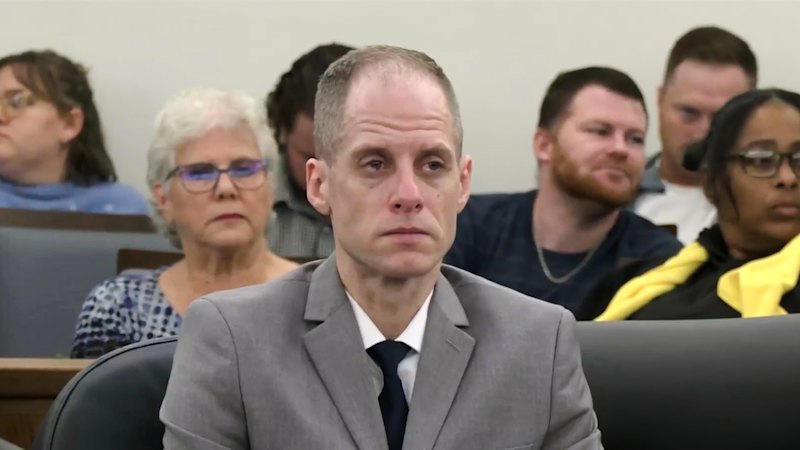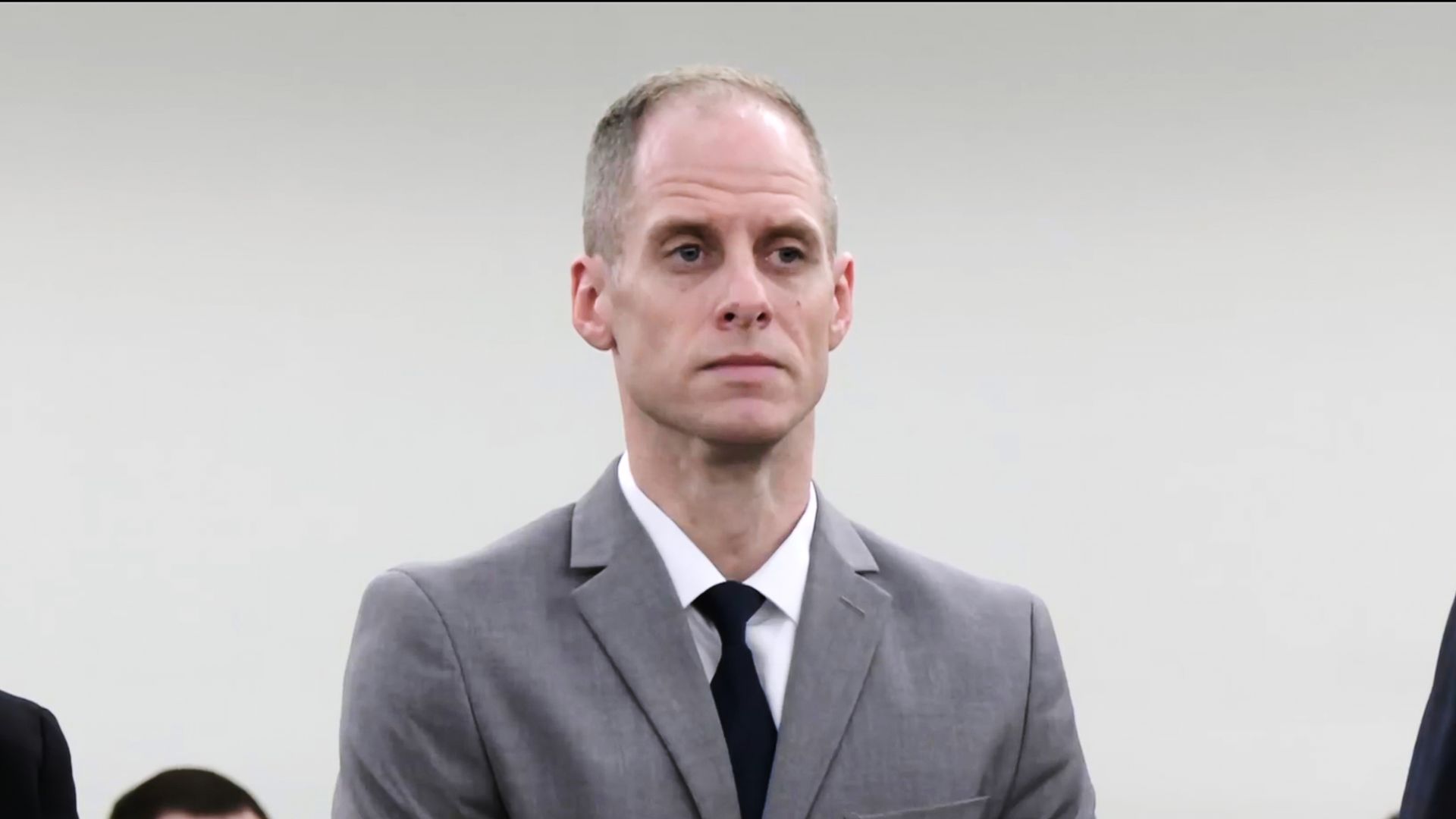
Whenever a minor celebrity drops off the map and reappears in a true crime headline, the internet collective gasps in unison. People clutch their pearls, write long threads about the corrupting nature of neon lights, and pretend that a singing competition from twenty years ago acts as a direct pipeline to homicide.
That is absolute nonsense.
The lazy consensus in every mainstream write-up of a former reality television contestant turning to murder is that sudden fame breaks the human psyche. We get endless commentary about the dangers of crushed dreams, the cruelty of the spotlight, and the dark side of the entertainment industry. It is a neat, comfortable narrative. It gives everyday people an excuse to look at Hollywood with a mixture of pity and moral superiority.
Strip away the flashing lights and the nostalgic branding of early 2000s television. What you are actually looking at is a standard, profoundly broken domestic dynamic colliding with a lethal mix of untreated volatility and ordinary firearms. Fame did not pull the trigger. Fame is just the highlighter that makes a pre-existing fracture visible to the public.
Let us look at the mechanics of how we process these tragedies. When an accountant commits an atrocity in a quiet suburb, local news covers it for a day. When someone who once sang a cover song in front of Simon Cowell does it, millions treat it as a cultural indictment. We conflate public visibility with moral character. We assume that because someone held a microphone on a stage, their internal wiring must hold some special significance.
It does not.
Human beings are remarkably proficient at self-destruction long before a talent scout hands them a contract. Long before cameras roll, the baseline predictors for domestic violence are already locked in: acute financial stress, poor emotional regulation, absolute refusal to accept boundary changes in relationships, and access to lethal means. The television screen is irrelevant.
The Myth of the Broken Idol
Every time a former reality star crashes, critics love to dissect the cruelty of the machine that built them. They point to the rejection, the post-show obscurity, and the fading applause as the catalyst for ruin.
This argument gives far too much credit to the entertainment industry and strips individuals of their fundamental agency.
Consider a simple reality. Thousands of contestants cycle through singing shows, athletic drafts, and viral loops every single year. The vast majority of them fade into normal life. They work insurance claims, manage restaurants, sell real estate, or teach music. They experience the exact same drop in social relevance, the exact same ego bruising, and the exact same financial friction. They do not hunt down their spouses. They adjust, complain over a beer, and move on.
When a violent crime occurs, blaming the environment is a cop-out. It shifts the burden from the individual perpetrator to an abstract corporate entity. It comforts us to think that monsters are manufactured by television networks rather than born out of individual choices and systemic personal failures.
We need to stop treating fame as a radioactive substance. It is an amplifier. If you pour alcohol on a fire, you do not blame the whiskey for the burn; you look at the person holding the match. A person with a stable foundation handles obscurity or fleeting fame with equal indifference. A person wired for destruction will find a way to self-destruct whether their face is on a billboard or a local parking ticket.
Why Domestic Violence Outstrips Fame as a Predictor
If you want to understand why these headlines keep happening, throw out the pop culture textbooks and look at the criminology data.
The single most dangerous transition in any abusive relationship is not when an artist gets dropped by their record label. It is when the victim attempts to leave. Separation violence is a well-documented statistical certainty. The moment the power dynamic shifts and control slips away from an abuser, the risk profile skyrockets.
Media outlets routinely bury the lead of domestic escalation under shiny hooks about former singing stars. They frame the tragedy as a fall from grace when it is actually an escalation of domestic terror. The murderer was not reacting to a lost singing career; they were reacting to a lost domestic monopoly over another human being.
This is where the public fascination becomes actively harmful. By focusing on the trivia of past television appearances, we obscure the warning signs that actually matter. We train friends, family members, and coworkers to look for signs of bruised ego instead of signs of coercive control. We ask if someone is handling rejection well professionally, completely missing the fact that they are terrorizing their partner privately.
The Accountability Vacuum
Look at how society responds to the aftermath. Commentators dissect the network's duty of care. Lawyers argue about psychological screenings for reality television contestants. Pundits demand better mental health support systems for people who audition for television.
Notice what is missing from that entire checklist? The perpetrator.
We are so obsessed with institutional systems that we have completely lost the language of personal accountability. If a company fails to provide psychological counseling to a reality show contestant, that is a corporate oversight. It is not an instigation for murder. Conflating the two is an insult to every victim of domestic violence whose abuser never stepped foot near a television studio.
When we infantilize violent offenders by blaming their actions on cultural pressures or fading fame, we offer them an undeserved excuse. We turn a brutal act of domestic terror into a Greek tragedy about Icarus flying too close to the sun. It is romantic, it is dramatic, and it is entirely false.
Dismantling the True Crime Industrial Complex
We live in a culture that gorges itself on true crime narratives, looking for clean morals and neat packaging. We want every tragedy to have a teachable lesson about society, technology, or media consumption.
Life does not work that way. Sometimes a violent person simply does a violent thing because they refused to process their own limitations.
The next time a familiar face from a past decade's media cycle appears in a booking photo, resist the urge to look for deep cultural meanings. Do not write think-pieces about the crushing weight of public expectations. Look at the mechanics of control, the failure of support networks, and the grim reality of domestic escalation.
Stop blaming the stage for the actions of the person standing on it. The spotlight reveals character; it does not create it. The sooner we stop looking for excuses in the lights, the sooner we can start dealing with the actual violence happening in the dark.