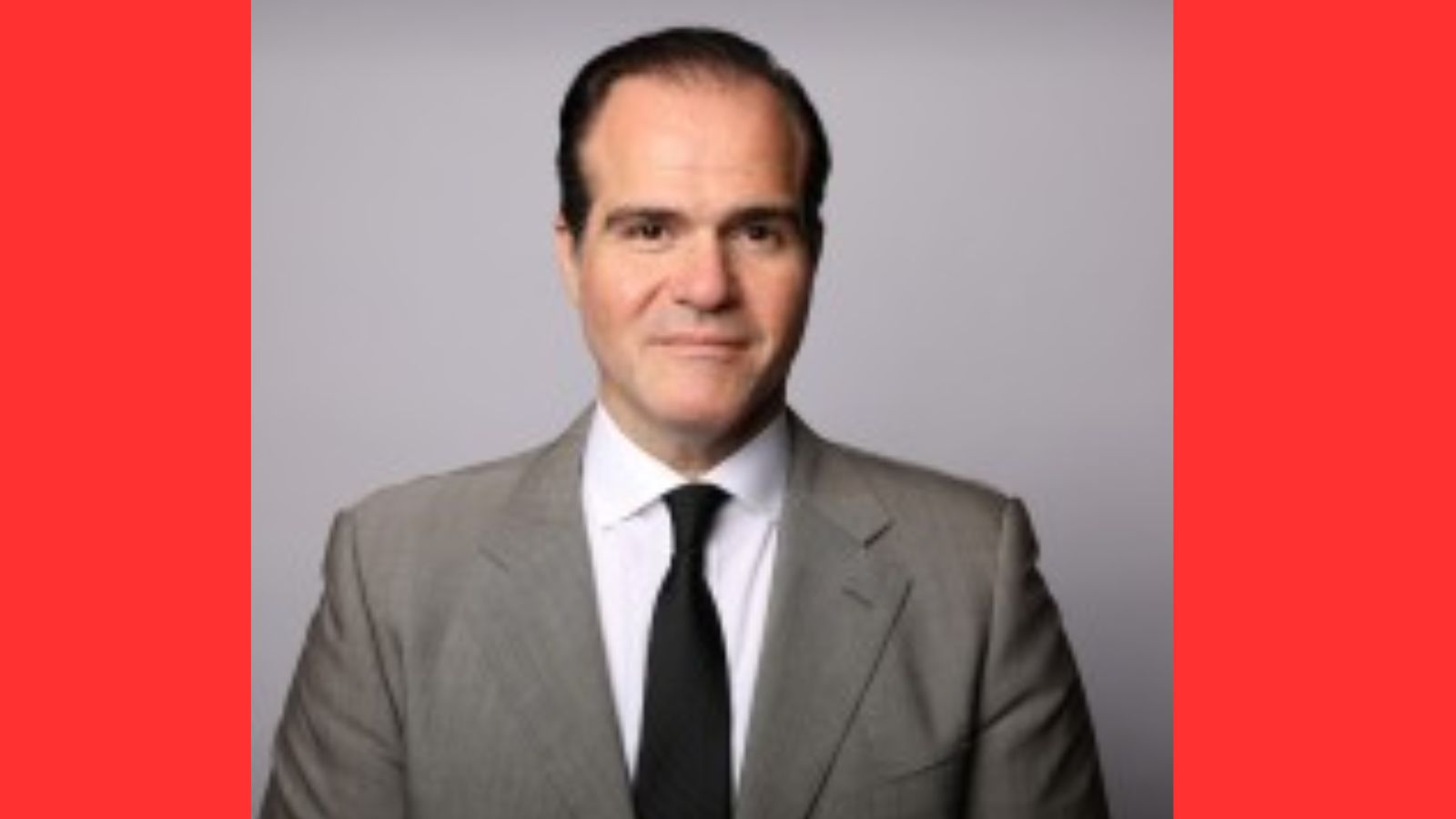
When the Justice Department formally moved to dismiss its high-profile criminal case against former Olympic canoeist David Hearn, it quietly unspooled a narrative of bureaucratic panic, political scapegoating, and structural failure. Hearn had faced a felony charge carrying a potential ten-year prison sentence for allegedly damaging the newly refurbished Lincoln Memorial Reflecting Pool during a casual bike ride. Instead of a malicious act of sabotage, the federal government’s own 20-page court filing revealed the true culprit behind the peeling blue liner: a rushed construction timeline plagued by contractor errors ahead of the nation's America 250 celebrations.
This abrupt turnaround exposes systemic vulnerabilities in how high-stakes federal infrastructure projects are fast-tracked and how quickly the machinery of justice can target an individual when political narratives demand a culprit. Don't miss our earlier coverage on this related article.
The Timeline of Pressure
The $15 million overhaul of the iconic Washington landmark was designed to be a centerpiece of the patriotic milestones surrounding Independence Day. Deadlines were tight. Political optics demanded perfection. Behind the scenes, however, construction crews faced immense pressure to wrap up work before the scheduled festivities.
According to internal Department of the Interior documents surfaced during the litigation, that pressure translated into a flawed installation process. Installers dealt with repeated failures of the pool lining and extensive peeling throughout the basin. Rather than acknowledging construction shortcomings, officials initially blamed public vandalism as pieces of the new blue liner started drifting to the surface. To read more about the history of this, Reuters provides an excellent breakdown.
When 67-year-old David Hearn stopped by the pool on June 19 during a bike ride, touched a loose chunk of material already detached from the side, and was promptly detained by security forces, he became the convenient answer to an embarrassing engineering failure. Prosecutors secured a felony indictment for property destruction, painting a decorated former athlete as a saboteur.
The Mechanics of Overreach
The case against Hearn highlights a dangerous legal phenomenon: the readiness of investigative bodies to pursue charges before verifying physical evidence. Defense attorneys pointed out early on that a National Park Service witness admitted the pool was already leaking more than one million gallons of water per week and contained pre-existing rips in its liner. The witness could not attribute any incremental financial damage to Hearn’s brief contact with the material.
Yet the indictment proceeded. Grand jury transcripts hinted at glaring irregularities and a presentation of facts that omitted the widespread, structural nature of the pool's decay. It took months of legal friction, public scrutiny, and the eventual production of delayed interior documents for the U.S. Attorney’s Office in D.C. to concede a fundamental truth. Given the widespread peeling across the entire pool—including areas inaccessible or improbable for casual vandals—establishing guilt beyond a reasonable doubt became impossible.
Accountability in Public Works
The fallout extends far beyond a single dismissed indictment. Public infrastructure projects backed by heavy political oversight frequently run the risk of sacrificing quality control for calendar milestones. When those projects fail, the impulse to deflect blame onto citizens or bad actors can warp administrative transparency.
For Hearn, the dismissal removes the threat of a decade behind bars, but it leaves an indelible mark on a citizen caught in the gears of an overzealous prosecution. The institutional reflex to point fingers outward rather than inspecting internal execution flaws remains a persistent hazard in government contracting.
The water in the Lincoln Memorial Reflecting Pool continues to mirror the monuments of the capital, but the ripples left by this episode expose the fragile interface between political urgency and objective reality.