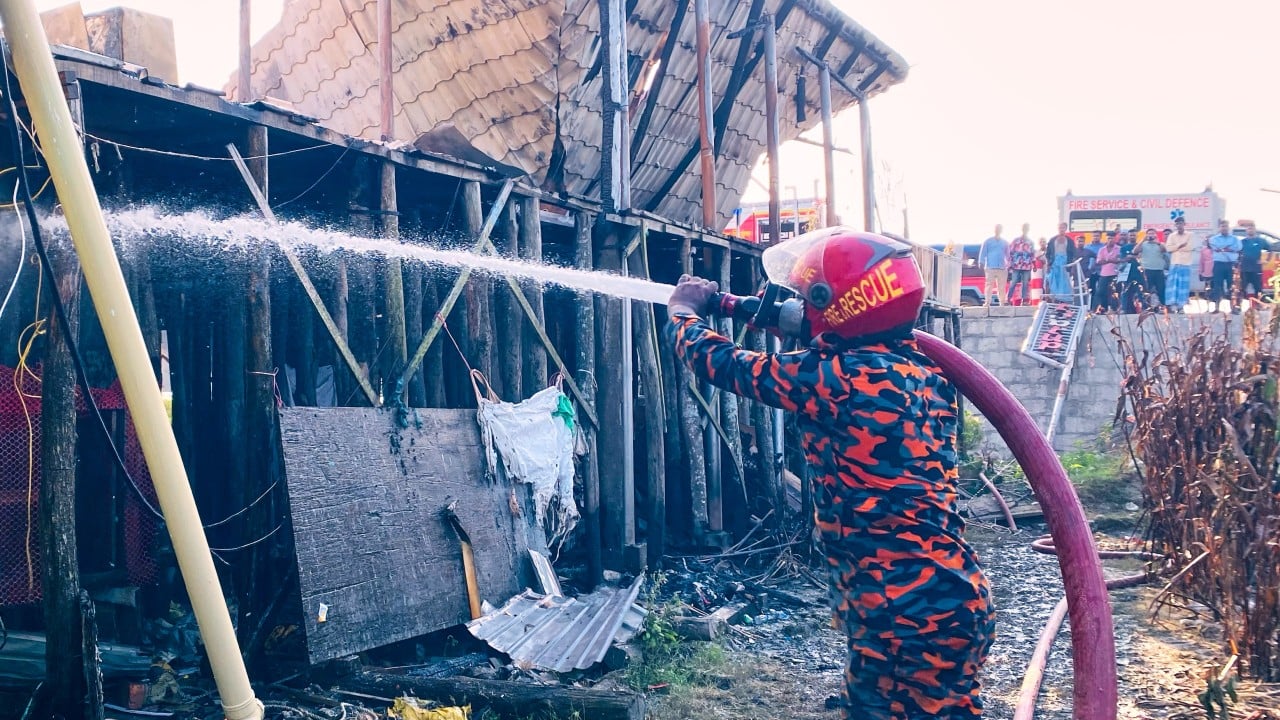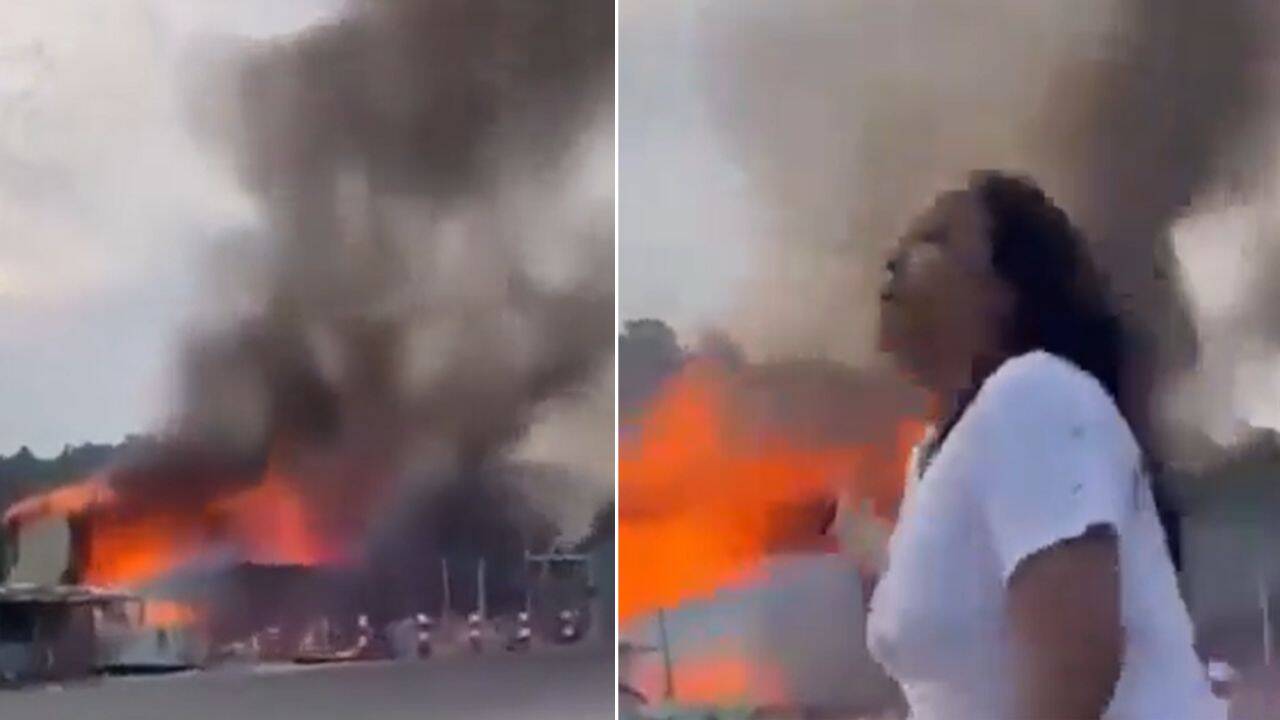
Ten people died in a fire at TupTup Resto and Resort in Inani, Cox's Bazar, in October 2026, exposing a structural failure common across fast-growing coastal tourism zones: combustible architecture paired with zero defense-in-depth. Standard breaking-news coverage logs the death toll, names the property, and notes that officials launched an investigation. That surface-level reporting misses the operational mechanics that turn a localized spark into a fatal enclosed fire in minutes.
To understand why ten guests died—including women and children, with some found in washrooms—we have to separate verified facts from early investigative claims and examine the system through four analytical lenses: The Failure Cascade, The Combustible Geometry Model, The Egress and Sheltering Trap, and The Regulatory Enforcement Gap.
Separating Verified Facts From Early Investigative Claims
High-consequence incidents generate conflicting accounts in the first hours after impact. Treating unverified assertions as settled fact distorts risk analysis.
Established Facts From Early Reporting
- Fatality and casualty counts: Ten people died in the blaze at TupTup Resto and Resort in the Inani area of Cox's Bazar on Saturday, October 17, 2026. Several others were injured, with figures varying across initial reports.
- Timing and occupancy: The fire broke out early in the morning while guests were asleep, with roughly two to three dozen people reported on site or staying overnight.
- Structural profile: The property was a multi-level coastal resort featuring extensive timber elements—including wooden walls, flooring, staircases, and restaurant extensions—along a high-wind shoreline.
- Administrative and legal response: Authorities formed a probe committee and filed a criminal case naming resort leadership, with an arrest reported early on while owners or other accused figures were sought.
Educated Hypotheses and Contested Details
- Ignition source and escalation sequence: Local police and preliminary committee remarks pointed to a possible electrical short circuit—potentially involving a ground-floor refrigerator—followed by a gas cylinder explosion or ignition of stored flammable materials. Other accounts mentioned kitchen origins or heard loud bangs near adjacent structures. Until forensic and fire-service findings are finalized, the exact sequence remains a working hypothesis rather than proven fact.
- Chemical inventory: Officials noted concerns over flammable chemicals stored on site, but specific chemical identities and quantities were not immediately established.
The Failure Cascade in Low-Margin Hospitality
A fatal structural fire rarely stems from a single bad component. In budget and mid-tier seasonal resorts, safety failures compound along a predictable chain: ignition source, fuel load, delayed detection, and obstructed egress.
If an electrical fault occurs on a lower floor while most occupants are asleep, the first bottleneck is time-to-detection. Without interconnected smoke alarms or an active overnight fire watch, heat and toxic smoke can build before anyone wakes. When a gas cylinder or volatile inventory enters the fire triangle, heat release spikes sharply.
The second bottleneck is vertical and horizontal fire spread. In a building with timber floors, walls, and stairs, structural members do not merely char; they act as continuous fuel pathways. Coastal breezes add convective oxygen and push flames across open or poorly compartmented sections. Once a staircase is compromised by heat, smoke, or collapse, upper-level occupants lose their primary vertical escape route.
This creates a visibility and decision collapse. Early-morning waking disorientation combined with dense smoke slows route selection. Occupants who know the front entrance but not a secondary exterior exit face a narrowing window of tenable air—often just a few minutes in fast-growing fires.
The Combustible Geometry Model
Coastal hospitality thrives on visual appeal: open balconies, wood finishes, seaside breezes, and rapid construction to capture peak-season demand. Yet those same aesthetic and cost choices alter fire dynamics.
Consider a hypothetical three-level wooden guesthouse built on a compact coastal plot. Timber gives warm coastal character and lower upfront material weight, which appeals to operators trying to maximize room count on a tight footprint. However, untreated or lightly protected wood surfaces accelerate flame spread once flashover or severe thermal radiation begins. Add a kitchen below, pressurized cooking gas, and unsegregated storage, and the building concentrates high-energy hazards directly beneath sleeping quarters.
Coastal wind introduces a third variable. Unlike sheltered urban alleys where buildings block cross-breezes, beachfront and near-shore properties experience steady wind pressure. Wind can feed combustion on one side while pressurizing corridors and stairwells with smoke on the other, turning semi-open walkways into chimneys.
Why Washrooms Become Fatal Traps
Reports from the Inani fire noted that some victims had taken shelter inside washrooms and died there. That detail points to a persistent mental model error among trapped occupants.
Many people assume a tiled bathroom with running water is a safe room. In reality, standard residential or resort washrooms rarely function as fire-rated refuge chambers. Doors are often hollow-core or thin wood rather than fire-rated assemblies with intumescent seals. Exhaust fans and plumbing chases can pull smoke in, while exterior windows may be small, louvered, barred for security, or high off the ground.
A bathroom also creates behavioral isolation. Occupants inside are removed from exterior rescue sightlines and may wait for rescue that never arrives while carbon monoxide and superheated gases fill the room. Sheltering in place only works when a space has fire-resistant boundaries, positive air protection or a safe exterior balcony, and an active rescue path. Without those features, closing oneself inside a small room often accelerates asphyxiation.
The Regulatory Enforcement Gap in Rapid Tourism Zones
Tragedies at holiday resorts recur across developing tourism corridors because licensing speed outpaces safety verification. When domestic and regional travel surges, small hospitality ventures multiply faster than municipal inspection capacity.
Three structural frictions widen this enforcement gap:
- Fragmented jurisdiction: Fire safety, electrical wiring, gas storage, land use, and tourism registration often sit across separate agencies with uneven coordination.
- Informal modifications: A structure may start as a modest cafe or low-rise lodge and later add upper rooms, wooden extensions, or utility storage without updated fire-load reviews.
- Post-incident enforcement spikes: Regulatory crackdowns, probe committees, and criminal filings usually intensify after fatalities occur, rather than through routine, unannounced pre-season audits.
Even strong statutes fail when compliance is treated as a one-time permit hurdle instead of a daily operating standard. If an operator cuts corners on wiring maintenance, cylinder placement, or unobstructed exits to protect thin margins, tragedy becomes a matter of probability rather than freak chance.
Tactical Risk Controls for Operators and Travelers
Eliminating fire risk in timber-heavy or legacy coastal properties requires low-cost, high-leverage interventions rather than waiting for full structural rebuilds.
For Resort Owners and Facility Managers
- Audit ignition and fuel separation first: Inspect high-draw appliances (refrigerators, water heaters, HVAC units) on dedicated circuits with proper breakers, move gas cylinders outside sleeping blocks into ventilated enclosures, and ban loose flammable chemicals near living or utility areas.
- Install interconnected detection and emergency lighting: Place photoelectric smoke alarms in corridors and sleeping rooms, paired with battery-backed exit signs and floor-level path lighting that stays visible under smoke.
- Eliminate single-point egress bottlenecks: Keep all exterior stairs, corridors, and ground-level doors unlocked during occupied hours, free of stored furniture or gear, and clearly marked.
- Enforce a night-shift fire protocol: Train staff on duty to shut off gas/power feeds if safe, sound alarms immediately rather than attempting solo firefighting first, and account for every guest room.
For Travelers Booking Coastal or Budget Stays
- Map two exits on arrival: Walk the route from your room to the main stairs and to a secondary exit or exterior balcony before going to sleep.
- Check room and building layout: Be cautious on upper floors of predominantly wooden or tightly packed structures that lack visible sprinklers, fire extinguishers, illuminated exit signs, or exterior escape paths.
- Avoid bathroom sheltering unless no other option exists: If smoke blocks the exit, prioritize a window or balcony with fresh air and clear visibility to responders over sealing yourself inside an interior bathroom.
- Carry a compact pocket flashlight: A small LED light helps cut through smoke and darkness when power fails.
Limitations of These Measures
None of these controls guarantees survival in an extreme fire. Smoke inhalation—especially carbon monoxide and hydrogen cyanide from burning plastics, furnishings, and coatings—can incapacitate people faster than flames advance. Retrofitting older wooden buildings also faces physical and financial limits; adding full fire walls or sprinkler systems may be impractical without major reconstruction. Furthermore, guest checklists cannot compensate for systemic regulatory neglect or locked exit doors.
Strategic Play for Tourism Authorities and Operators
Coastal tourism destinations will keep suffering preventable mass-casualty fires until authorities tie operating licenses and insurance eligibility to verifiable baseline life-safety standards—specifically unobstructed secondary egress, working smoke detection, and safe utility/fuel segregation—enforced through mandatory pre-season inspections before peak occupancy begins.
Bangladesh Resort Fire: 10 Charred To Death In Cox's Bazar Inferno provides visual context of the Cox's Bazar resort fire and its aftermath.