The intersection of accelerated bilateral enforcement mechanisms and systemic infrastructure vulnerability creates acute humanitarian blind spots during natural disasters. When consecutive 7.2 and 7.5 magnitude earthquakes struck the coastal region of La Guaira, Venezuela, they did not merely cause structural devastation that claimed over 1,700 lives nationwide. The seismic event intersected directly with an ongoing logistical pipeline: the repatriation of 146 individuals flown from Miami via U.S. Immigration and Customs Enforcement (ICE) operations just hours prior. Because repatriated populations are processed through centralized, temporary state infrastructure, their physical concentration inside a single vulnerable structure—the Hotel Santuario La Llanada—resulted in a localized structural collapse that left over 100 individuals missing. This operational failure highlights the friction between rigid transnational enforcement timelines and localized crisis management.
Understanding the status of these missing individuals requires analyzing the structural and political realities that govern modern deportation pipelines. When a state accelerates repatriation, it transfers custody across a legal and physical threshold without the data integration required to track individuals during a sudden infrastructure failure. Learn more on a connected topic: this related article.
The Repatriation Chokepoint: Processing Mechanics and Vulnerability
The vulnerability of repatriated populations during a crisis is governed by a three-phase logistical sequence. This sequence concentrates individuals in specific geographic nodes, increasing their exposure to localized infrastructure failures.
[Phase 1: Custody Transfer] -> [Phase 2: Administrative Processing] -> [Phase 3: Centralized Lodging]
(Caracas Airport)              (Medical & ID Verification)             (Hotel Santuario La Llanada)
- Custody Transfer and Centralization: Upon arrival at the Caracas airport from origin hubs like Miami or El Paso, Texas, deportees enter a state-administered intake system. The receiving state assumes immediate administrative custody, consolidating individuals to execute mandatory protocols.
- Administrative Processing: Individuals undergo medical evaluations and identity documentation verification. This centralized administrative burden requires keeping the cohort together, preventing immediate dispersal to their home provinces.
- Centralized Short-Term Lodging: Because processing often concludes late in the operational cycle, cohorts are transferred to designated holding facilities—frequently commercial hospitality structures repurposed for state use. In this instance, the 146 returnees, including 19 women and seven children, were transferred directly to the Hotel Santuario La Llanada in La Guaira.
This operational pipeline creates a high-density population node inside a single structure. When the back-to-back earthquakes occurred, the building suffered catastrophic structural failure. While approximately 20 individuals managed to escape the immediate collapse, the remaining individuals became trapped within the rubble, demonstrating how centralized processing centers can inadvertently maximize civilian exposure during unexpected natural disasters. Additional reporting by USA Today explores related perspectives on this issue.
The Communications Chokepoint and Data Fragmentation
The primary obstacle to identifying survivors and verifying the status of the missing is a complete breakdown in the local communications infrastructure, compounded by bureaucratic silos between the originating and receiving states.
The structural collapse of the regional telecommunications network immediately severed cellular and data transmissions in La Guaira. Surviving individuals who escaped the hotel ruins had to travel miles on foot to reach state infrastructure, such as National Guard facilities, simply to access functional communication channels.
This physical isolation is aggravated by an asymmetrical data flow between transnational immigration agencies:
- The Originating State Archive: Entities like ICE maintain records confirming the physical departure and successful transit of individuals. Once the aircraft lands and custody is signed over, the originating agency's real-time tracking ceases.
- The Receiving State Archive: The receiving government logs the initial entry, but during a systemic crisis, internal tracking mechanisms fail. The immediate focus shifts from administrative accounting to regional search-and-rescue operations.
- The Kinship Informational Void: Families residing in the United States or in distant Venezuelan municipalities are left without a centralized tracking platform. Inquiries directed back to U.S. detention facilities yield only a confirmation of deportation, while local regional authorities in the disaster zone lack the bandwidth to cross-reference survivor manifests with flight manifests.
This data fragmentation creates a secondary crisis: an informational void where individuals are functionally erased from official tracking systems, fluctuating between the categories of administrative processing and disaster casualties.
Infrastructure Fragility and Seismic Force Multiplication
The scale of the collapse at the Hotel Santuario La Llanada is explained by the relationship between seismic energy and building standards in coastal regions. The twin earthquakes registered high magnitudes on the Richter scale, but the structural failure of commercial facilities used for administrative lodging points to a deeper issue with localized infrastructure resilience.
Coastal development in regions like La Guaira often suffers from structural vulnerabilities, including soft-story weaknesses and unreinforced concrete frames that cannot withstand the lateral forces of consecutive major tremors. When a building is subjected to back-to-back shocks, the initial earthquake degrades the structural integrity of primary support columns, while the secondary shock triggers a complete structural failure.
Repurposing these commercial structures into high-density processing centers significantly increases the potential casualty rate. Buildings designed for transient hotel guests are suddenly packed to capacity with entire flight cohorts. This structural overloading, combined with inadequate emergency exits, turns a localized building failure into a major humanitarian catastrophe.
Regional Assistance and Air Support Operations
The scale of the disaster has forced a reallocation of regional assets, shifting the focus from political standoffs to collaborative crisis management. Rescue operations are currently shaped by the arrival of international aid and technical support, which must navigate a severely damaged logistics network to reach high-casualty areas like La Guaira.
[Seaport Logistics Hub] <---> [U.S. Navy Fleet Support] ---> [Targeted Air Rescue Operations]
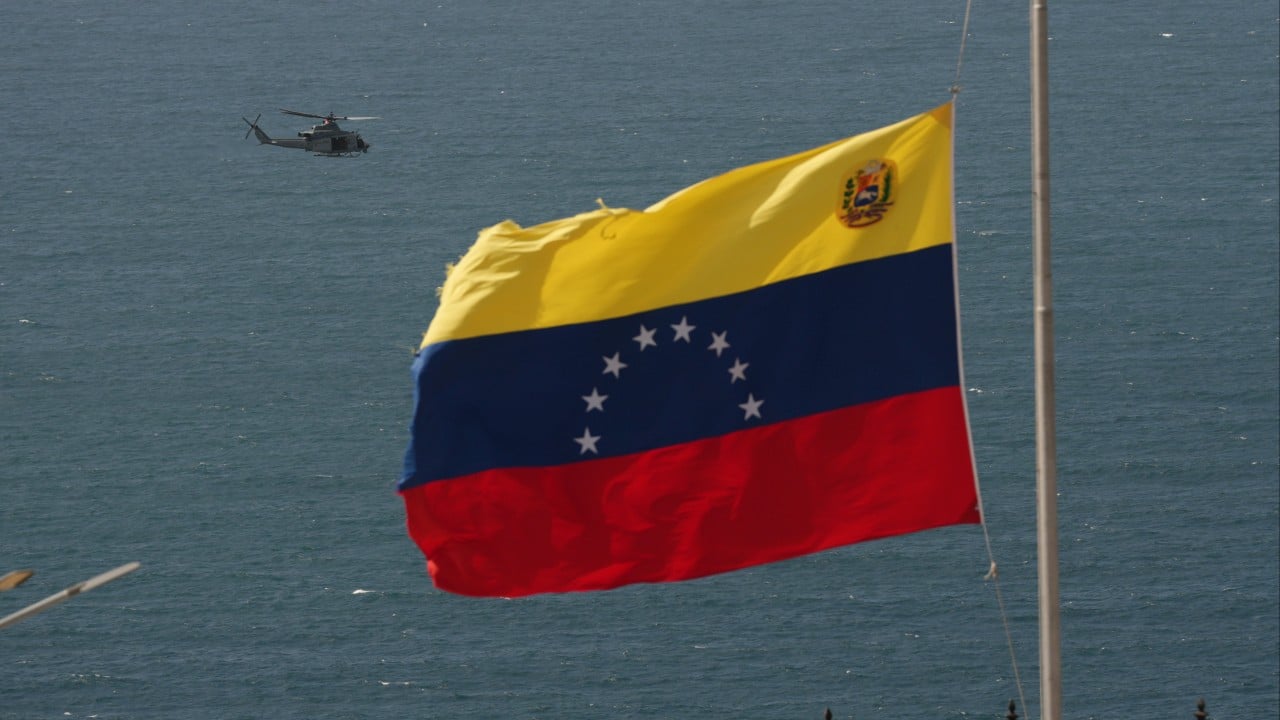
To support these efforts, international assets, including U.S. Navy vessels, have positioned themselves off the coast of La Guaira. These naval platforms serve as offshore logistics hubs, deploying helicopter assets to bypass severed highways and blocked coastal roads. These air support operations focus on two critical tasks:
- Heavy Equipment Transit: Delivering specialized search-and-rescue equipment, structural listening devices, and canine units to collapsed buildings like the Hotel Santuario La Llanada.
- Medical Evacuation: Transporting critically injured survivors from unstable coastal ruins directly to regional trauma centers or shipboard medical facilities.
Despite these resource deployments, the sheer volume of collapsed structures across the region means that specialized rescue assets are spread thin, slowing down the processing of individual search sites.
Strategic Resource Reallocation Protocol
Managing the aftermath of a natural disaster that intersects with international repatriation pipelines requires shifting away from uncoordinated local search efforts. Managing authorities must implement a structured, data-driven response to locate survivors and stabilize the affected population.
Step 1: Establish an Integrated Manifest Registry
Cross-reference the flight manifests provided by human rights monitoring initiatives and ICE flight data with the intake logs recorded at the Caracas airport. This unified dataset must be hosted on an offsite cloud server untouched by local grid failures, creating a definitive baseline of individuals who were inside the Hotel Santuario La Llanada at the time of the collapse.
Step 2: Implement a Sector-Based Debris Clearance Priority
Deploy heavy lifting equipment and structural engineers to the hotel site using a zoned extraction strategy. Because survivors have been pulled from the rubble up to five days after the initial collapse, operations must prioritize spaces where structural voids are likely to form, such as reinforced upper-floor corridors, rather than relying on indiscriminate clearing methods.
Step 3: Centralize Cross-Border Communications Channels
Establish a dedicated, multi-lingual digital portal managed by international humanitarian organizations to bridge the communication gap between families in the United States and rescue teams on the ground. This portal must bypass local bureaucratic channels to provide direct updates on survivor identifications, medical transfers, and casualty lists, reducing the informational friction that currently complicates recovery efforts.