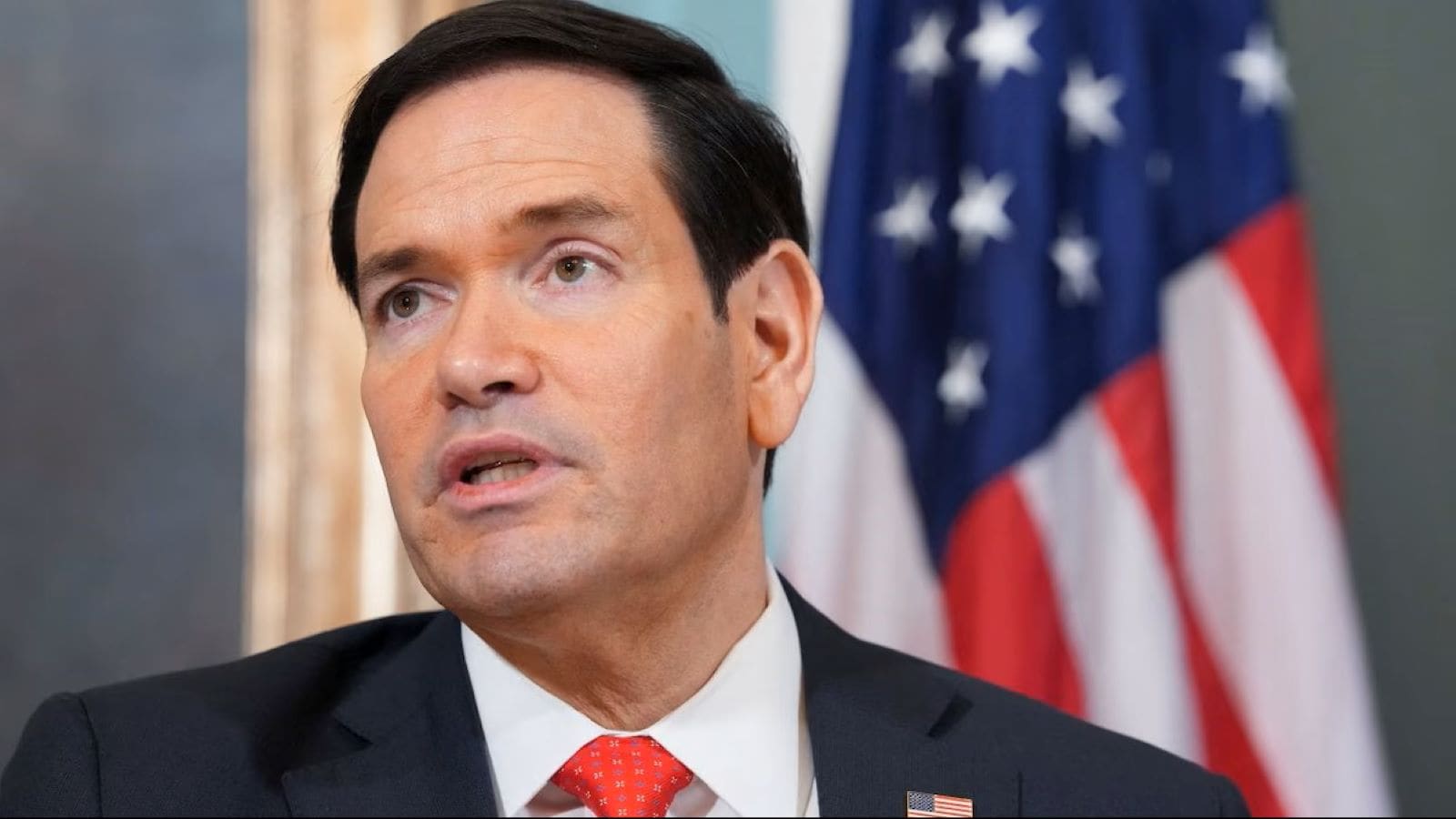
Routing a top diplomatic visit through Mumbai and Jamnagar instead of anchoring it solely in New Delhi shifts U.S.-India engagement away from ceremonial protocol toward commercial execution, energy arbitrage, and tariff negotiation. Coverage centered on U.S. Secretary of State Marco Rubio's October 17–22, 2026 travel—which followed his Samarkand stop and included bilateral meetings in Mumbai and a visit to Reliance Industries in Jamnagar—typically treats the stops as a routine diplomatic checklist. That surface reading misses the structural tension between Washington's trade leverage, Indian energy purchasing, and industrial capital allocation.
This analysis deconstructs the itinerary's underlying mechanics, separates verified facts from strategic hypotheses, and maps the operational trade-offs governing U.S.-India negotiations after the tariff disputes of 2025 and 2026.
Deconstructing Standard Coverage and Its Blind Spots
Conventional reporting on the October 2026 trip frames the itinerary around familiar diplomatic nouns: strengthening strategic ties, advancing trade talks, and deepening energy cooperation. That framing obscures three analytical gaps that determine whether high-level travel produces binding commercial outcomes or stalled negotiations.
The first blind spot is locational signaling. Traditional diplomatic summits concentrate in national capitals where ministries set broad policy declarations. Moving bilateral talks with External Affairs Minister S. Jaishankar to Mumbai—India's financial center—and pairing that with a stop at Jamnagar—home to Reliance Industries' massive refining complex—places commercial balance sheets and refinery throughput ahead of abstract communiqués. In India, skipping New Delhi for subnational commercial hubs also carries domestic political friction, drawing criticism from opposition figures who view non-capital meetings as an unconventional diplomatic posture.
The second blind spot is causal linkage across separate policy tracks. Standard summaries list trade negotiations, tariff adjustments, and oil sanctions waivers as parallel items rather than coupled variables. Tariff rates, crude sourcing choices, and domestic fuel prices interact through clear economic feedback loops. Treating them as isolated talking points hides why talks stall even when both governments affirm a broad strategic partnership.
The third blind spot is the gap between executive intent and industrial execution. Announcements of bilateral cooperation or refinery projects do not automatically resolve regulatory friction, procurement rules, or market pricing risks. A visit to a flagship industrial asset highlights where private capital and state policy intersect, without guaranteeing that commercial terms clear legal and economic hurdles on both sides.
Facts Versus Strategic Hypotheses
Rigorous strategy requires separating documented facts from analytical inference. Mixing the two produces overconfident forecasts when negotiations remain fluid.
Verified Facts
- Itinerary window and stops: Official U.S. State Department notices announced Secretary Rubio's travel from October 17 to October 22, 2026, covering Samarkand, Uzbekistan, followed by Mumbai and Jamnagar in India.
- Prior diplomatic baseline: The October visit followed Rubio's earlier May 2026 trip to India, which included Quad foreign minister engagement and meetings in New Delhi.
- Key meetings and venues: During the October trip, Rubio held discussions with External Affairs Minister S. Jaishankar in Mumbai and visited Reliance Industries in Jamnagar to discuss energy and commercial cooperation.
- Tariff trajectory: Following a breakdown in trade talks in August 2025 that saw a 50 percent U.S. tariff imposed on most Indian goods, a February 2026 framework lowered that rate to 18 percent, after which broader trade negotiations faced renewed friction and delays.
- Energy and sanctions context: Energy trade, Russian oil purchases, and U.S. sanctions policy intersected with domestic U.S. fuel price concerns ahead of the November 3, 2026 midterm elections.
Educated Hypotheses
- Hypothesis 1 on venue selection: Selecting Mumbai and Jamnagar reflects a deliberate effort by Washington to tie diplomatic engagement directly to private industrial champions and capital flows rather than relying solely on bureaucratic channels in New Delhi.
- Hypothesis 2 on tariff-energy linkage: U.S. willingness to adjust sanctions posture or ease commercial pressure on crude sourcing is likely weighed against concessions on market access and non-tariff barriers, while Indian negotiators resist tying sovereign energy procurement to unilateral trade concessions.
- Hypothesis 3 on refinery diplomacy: Engaging Reliance Industries in Jamnagar tests whether large-scale refining and downstream energy ties can anchor bilateral commercial momentum even while broader bilateral trade agreements move slowly.
Three Structural Pillars of the Itinerary
To move beyond a day-by-day log of appearances, the October 2026 visit can be organized around three structural pillars: Commercial Capital Anchoring, Refinery and Energy Arbitrage, and Tariff Leverage and Domestic Constraints.
Commercial Capital Anchoring
Diplomatic relationships endure when sovereign security interests are reinforced by recurring private-sector capital commitments. Mumbai concentrates banking, equity capital, and corporate decision-makers, making it a logical venue for signaling commercial alignment alongside ministerial talks.
When diplomats meet in a financial hub, the implicit question shifts from "Do we share strategic goals?" to "Where can capital deploy with predictable rules?" Yet diplomatic visits alone cannot fix structural frictions such as customs procedures, regulatory compliance, or uneven tariff treatment. Capital follows unit economics and rule predictability, not photo opportunities.
Refinery and Energy Arbitrage
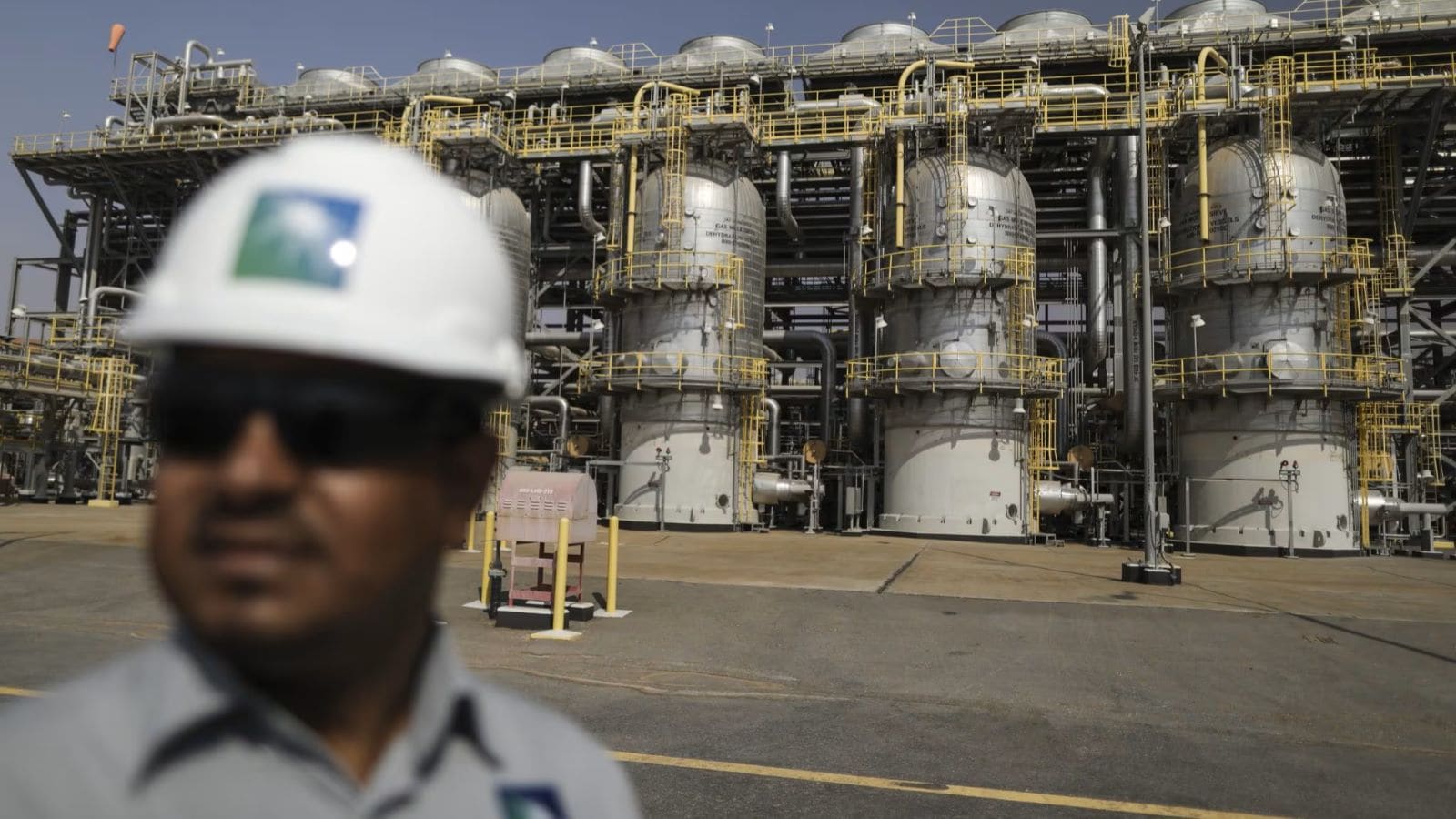
Jamnagar represents industrial scale in crude processing and fuel supply. Large complex refiners operate on crack spreads—the margin between crude oil input costs and refined product output prices—and optimize feedstocks across global grades based on price differentials, freight rates, and sanctions compliance.
This creates a direct cause-and-effect mechanism between geopolitics and pump prices:
- Tightening sanctions or restricting specific crude barrels narrows available supply for complex refiners.
- Narrower feedstock options can raise processing costs or force shifts toward higher-cost grades, pressuring refining margins and regional fuel availability.
- Higher energy prices transmit into broader inflation and voter sentiment, creating domestic political pressure on Washington—especially ahead of national elections.
- That domestic price sensitivity constrains how aggressively Washington can enforce energy restrictions without risking economic blowback at home.
In short, energy policy is not a one-way lever. Because global oil markets are interconnected, squeezing a major buyer's crude options can rebound onto U.S. energy costs and inflation dynamics.
Tariff Leverage and Domestic Constraints
Tariffs act as a tax on cross-border trade that alters relative prices, supply chain routing, and domestic political coalitions. The shift from a 50 percent tariff in August 2025 to an 18 percent framework in February 2026 illustrates how punitive trade measures can be calibrated downward when negotiations seek a path forward.
The second limitation emerges once headline tariffs are lowered without resolving underlying disputes: negotiations often stall on sensitive sectors such as agriculture, industrial subsidies, digital trade, and procurement rules. Each side faces domestic constituencies that penalize perceived concessions. As a result, talks can remain stuck in incremental bargaining even when leaders express goodwill.
How to Audit Future Bilateral Trips
Observers, executives, and policy analysts can evaluate future diplomatic visits systematically rather than reacting to headlines. A practical four-step audit separates substantive progress from routine optics.
- Map the venue against the bottleneck. Check whether meetings occur in capitals, financial centers, or industrial clusters. Capital meetings signal broad state-to-state alignment; industrial or commercial stops signal a focus on specific supply chains, investments, or energy flows.
- Track the coupled variables, not single statements. Pair any trade announcement with concurrent movements in tariff schedules, sanctions waivers, and crude purchasing patterns. If one variable moves while the core dispute remains untouched, treat the outcome as tactical stabilization rather than a structural breakthrough.
- Identify who bears the adjustment cost. Every tariff reduction, sanctions adjustment, or investment pledge shifts costs onto specific domestic actors—such as domestic manufacturers facing import competition, exporters dealing with duties, or refiners adjusting crude slate sourcing. Trace who gains margin and who loses margin.
- Look for enforceable mechanisms over aspirational language. Broad phrases like "deepening cooperation" carry low commitment value. Concrete tariff schedules, regulatory timelines, commercial contracts, or signed frameworks carry much higher signal value.
Analytical Limitations and Risk Boundaries
Even a disciplined framework has limits. Diplomatic negotiations operate under asymmetric information; critical trade-offs often occur behind closed doors or across parallel channels outside public readouts.
Moreover, external shocks can override bilateral bargaining logic overnight. Regional conflicts, shipping disruptions, sudden shifts in global crude benchmarks, or domestic political changes in either Washington or New Delhi can alter negotiating priorities faster than any diplomatic calendar anticipates. No analytical model provides a silver bullet for predicting statecraft, so conclusions should be updated continuously as verifiable policy actions appear.
Strategic Play for Decision-Makers
Treat bilateral diplomatic visits around commercial and energy hubs as high-signal bargaining checkpoints, not endpoints. For commercial leaders and policy analysts, the decisive move is to align capital exposure and supply chain contingency plans around two concrete triggers: any formal codification that locks in lower tariff rates beyond temporary frameworks, and any regulatory or sanctions shifts that alter crude feedstock costs and refining margins. Until binding legal text and operational rules change, position operations for continued friction—maintaining diversified sourcing, hedging energy and currency exposure, and sizing commitments to verified policy execution rather than diplomatic rhetoric.