The containment of a mass casualty active shooter event demands an understanding of the relationship between internal psychiatric volatility and the availability of firearms. The lethal multi-location shooting spree executed by a 37-year-old male in Tarsus, Mersin Province, on May 18, 2026, highlights the breakdown of standard institutional monitoring. By mapping the progression of the attacker—from domestic homicide to secondary opportunistic targets, and ultimately to a barricade-suicide posture—analysts can isolate the structural vulnerabilities in public safety, substance rehabilitation systems, and border-proximate weapon pipelines.
To evaluate how these vectors converge, this analysis breaks down the incident into three core components: the mechanics of the multi-stage attack trajectory, the breakdown of psychiatric surveillance, and the macro trends governing firearm proliferation across Türkiye.
The Three Phases of the Tarsus Rampage
Active shooter scenarios generally follow a predictable path, but multi-location sprees diverge from fixed-site attacks by introducing high operational mobility. In Tarsus, the suspect's behavior followed a clear progression of escalating violence.
Phase One: The Targeted Trigger
The incident originated as an act of lethal domestic violence. The suspect targeted and killed his ex-wife in a public street. In threat indexing, this is the primary grievance phase. The initial act of violence breaks down psychological barriers, shifting the attacker from a targeted grievance to an active shooter state where anyone becomes a potential target.
Phase Two: High Mobility Opportunistic Targeting
Following the initial homicide, the suspect utilized a vehicle to maximize mobility across separate neighborhoods, expanding the geographical footprint of the threat. This phase was defined by tactical randomness:
- Commercial Inflection: The suspect stopped at a local restaurant, entering without verbal communication. He produced a firearm and killed the establishment's owner and an employee, while wounding another worker.
- Rural and Transit Expansion: Moving beyond the commercial core, the suspect targeted individuals based entirely on proximity and vulnerability, killing a shepherd in a nearby field and a truck driver at a petrol station.
This transition from a specific domestic target to random victims indicates a total loss of impulse control, which was intensified by active substance intoxication. This pattern creates a significant challenge for local law enforcement, as standard stationary containment perimeters are ineffective against a highly mobile threat.
Phase Three: The Barricade and Self-Termination
When security forces deployed drones and helicopters to track the suspect, his operational mobility collapsed. Cornered inside a residential structure roughly 10 kilometers from the initial strike zone, the suspect faced a choice between armed engagement with tactical units or self-termination. Choosing the latter confirms a common trend in mass casualty events: the perpetrator uses suicide as a final step to maintain control over their outcome when escape becomes impossible.
The Cost Function of Broken Psychiatric Surveillance
The Mersin Governor’s office confirmed that the suspect had a documented history of psychiatric diagnoses and multiple institutional admissions for prohibited substance dependency. This background reveals a critical failure in risk assessment and monitoring.
The breakdown can be analyzed through a basic operational loop:
$$\text{Detection} \rightarrow \text{Intervention} \rightarrow \text{Surveillance} \rightarrow \text{Restriction}$$
In this instance, the loop failed at the transition from intervention to restriction. While the medical system successfully detected and intervened via hospital admissions, the state lacked the infrastructure for ongoing surveillance and restriction once the patient was discharged.
When a person with severe psychiatric instability and substance dependence can easily return to society and get a firearm, it shows that medical data and law enforcement tracking are not properly connected. Medical privacy laws or fragmented record-keeping often stop hospitals from automatically reporting high-risk individuals to gun licensing boards. This lack of communication creates a dangerous blind spot, turning a predictable psychiatric relapse into a mass casualty event.
Proliferating Firearms and Micro-Trends in Regional Violence
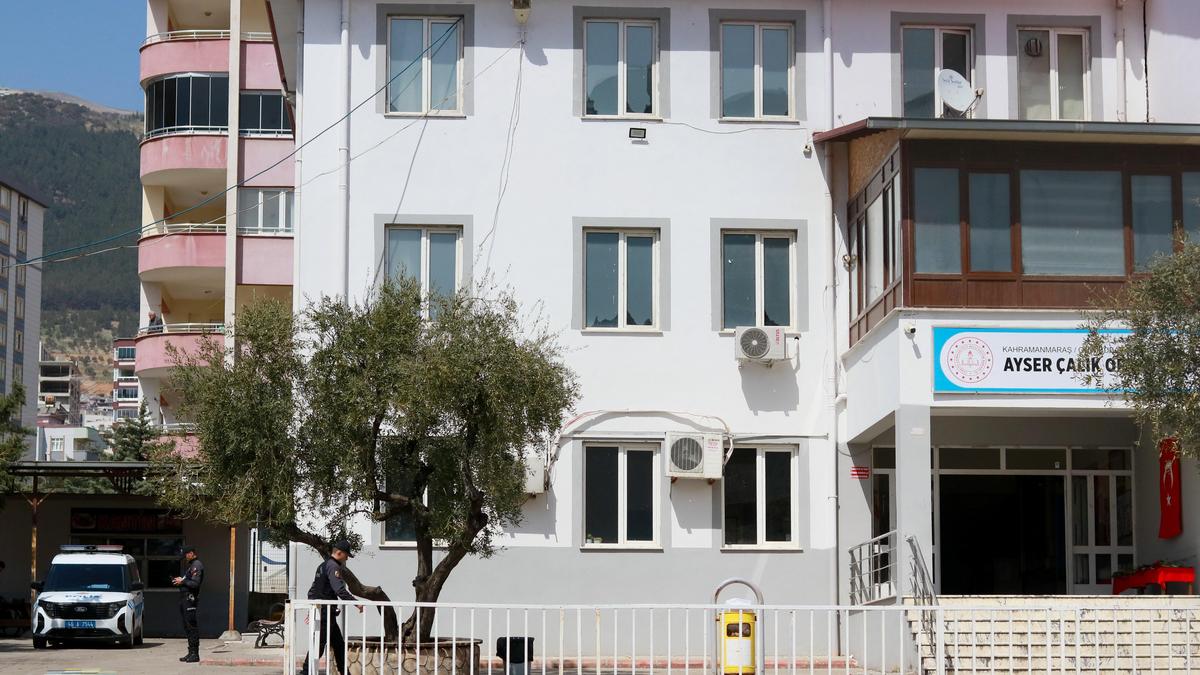
The Tarsus shooting is part of a broader rise in gun violence across Türkiye, marked by an increasing number of unlicensed firearms and frequent mass casualty attacks. Just one month earlier, in April 2026, two distinct high-volume school shootings occurred in southern provinces, including a mass casualty event in Kahramanmaraş that left 10 dead, and an attack in Şanlıurfa that wounded 16.
This trend is driven by three main factors:
Supply-Side Porosity
Southern provinces like Mersin, Adana, and Hatay are located near complex border regions and major maritime shipping routes. This proximity exposes them to illegal trafficking networks. The regional supply of firearms includes both high-grade military rifles and modified blank-firing pistols or shotguns, which bypass traditional regulatory oversight.
Regulatory Arbitrage
The legal penalties for possessing an unlicensed firearm are often too weak to deter buyers, especially when compared to the strict laws governing legal gun ownership. This gap in enforcement makes the illegal market a fast and low-risk option for individuals who would fail a background check due to criminal records or psychiatric issues.
The Contagion Effect
Media coverage of mass casualty events often creates a copycat effect. When vulnerable or unstable individuals see these attacks highlighted in the news, it can validate their own violent plans, leading to similar sprees within a short timeframe.
Strategic Interdiction Protocols
Stopping future multi-location attacks requires moving away from reactive law enforcement toward proactive prevention. Police departments must upgrade from basic static checkpoints to dynamic, real-time tracking systems. Using aerial drones linked to automated license plate recognition networks allows law enforcement to quickly spot and track a suspect's vehicle across different neighborhoods, shrinking the attacker's mobile phase.
Concurrently, the state must establish an automated data link between public health databases and the Ministry of Interior's weapon registries. Any high-risk psychiatric diagnosis or involuntary commitment for substance abuse should trigger an immediate flag, suspending existing firearms permits and blocking new applications. Without a unified system that connects mental health tracking with strict illegal firearm enforcement, public spaces remain vulnerable to sudden, localized violence.