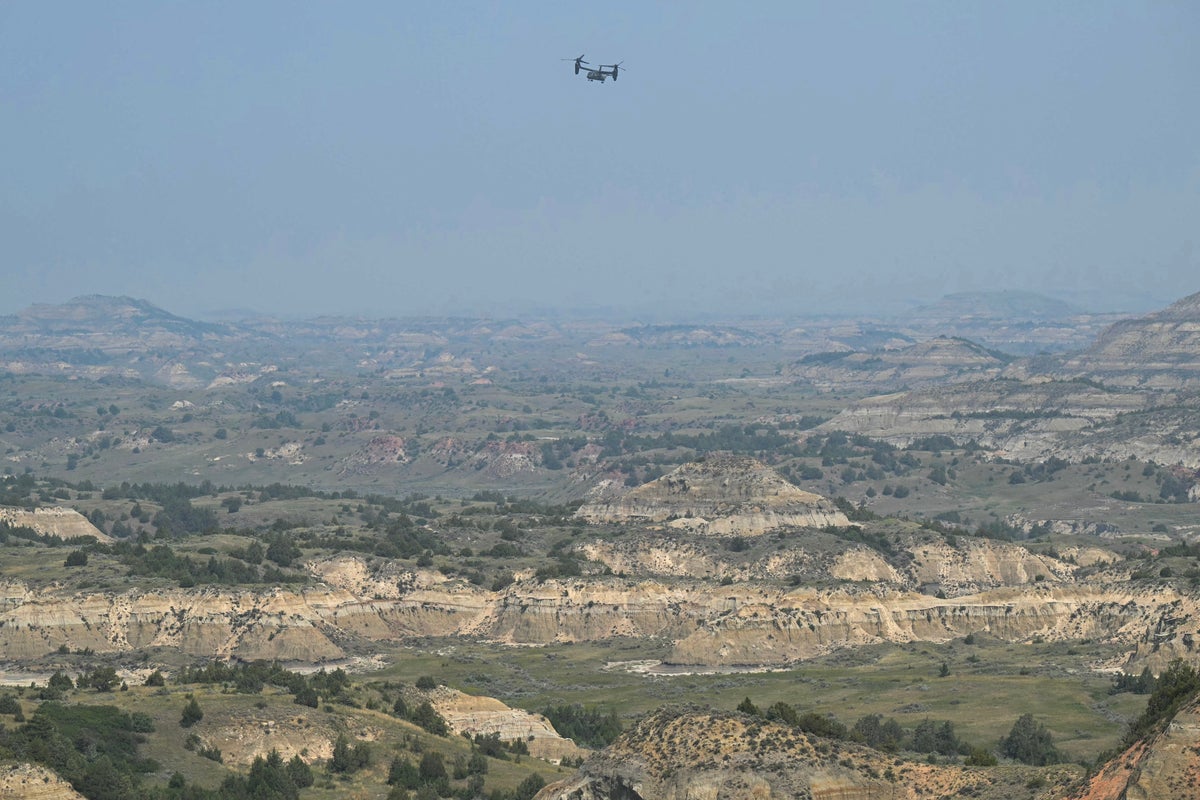
Geographic anomalies that alter perceived duration rely on a fundamental miscalculation of human chronobiology. When a destination supposedly hands back sixty minutes of cognitive bandwidth via a localized quirk in timekeeping or boundary placement, the underlying mechanism is rarely physical temporal expansion. Instead, it represents an operational friction reduction. The park or region in question strips away the overhead of modern scheduling transit, not because clock hands reverse, but because the environment removes decision fatigue.
Evaluating claims of reclaimed hours requires dissecting the friction points of contemporary existence. Traditional leisure spaces fail to deliver genuine cognitive recovery because they inherit the organizational debt of urban life. Visitors bring notification dependencies, rigid itineraries, and digital tethers into natural reserves, neutralizing the therapeutic value of the environment. A true temporal offset demands an operational framework where structural isolation forces a behavioral reset. For a more detailed analysis into this area, we recommend: this related article.
The Three Components of Perceived Temporal Gain
Environmental systems that successfully alter an individual's subjective experience of time operate through three distinct vectors.
First is spatial compression. When the physical radius of required navigation shrinks, the cognitive load associated with wayfinding drops to near zero. Urban environments demand continuous spatial calculus—route optimization, traffic mitigation, and hazard avoidance. A closed-loop natural boundary eliminates this background computation, freeing working memory for ambient processing. For broader details on this development, comprehensive analysis can also be found on Travel + Leisure.
Second is the elimination of micro-interruptions. The modern workday and standard leisure activities are fragmented by notification loops and asynchronous communication demands. When a destination lacks cellular infrastructure or social density, the interval between deep focus states collapses. The brain ceases scanning the horizon for social or professional threats.
Third is the alignment of circadian cues with physical activity. Natural sunlight exposure coupled with sustained, low-intensity locomotion regulates cortisol production. This biological stabilization prevents the afternoon cognitive crashes that typically truncate productivity or restorative rest in office environments.
The Cost Function of Modern Transit
To understand why certain remote geographies feel exceptionally expansive, one must analyze the expenditure required to reach them. The net utility of a recreational space is a function of total recovery yield minus the transit friction cost.
$$Utility = Recovery Yield - (Transit Friction + Digital Tethering Overhead)$$
When a destination requires navigating congested highways, airport security queues, and fragmented lodging logistics, the initial energy deficit is massive. The visitor arrives in a state of elevated baseline stress. Even if the destination features pristine wilderness, the first twenty-four hours are consumed by physiological recovery from the journey itself.
Conversely, locations that minimize transit complexity preserve the visitor's energy reserves. The psychological impression of gaining time stems directly from avoiding the friction tax. When transition costs approach zero, every hour spent on-site contributes directly to cognitive replenishment rather than system rebooting.
Operationalizing Spatial Isolation
Optimizing personal time yield outside urban centers requires treating the environment as a closed system. Visitors often make the error of replicating their home scheduling habits inside natural settings, bringing digital project management tools, rigid meal schedules, and performance trackers into spaces designed for deceleration.
To capture the theoretical sixty-minute bonus or broader cognitive dividends offered by isolated geographic pockets, behavioral protocols must shift.
Eliminating time-tracking devices for defined intervals breaks the feedback loop of clock-watching. The subjective sensation of rushing is entirely artifactual, driven by digital displays constantly reminding the mind of upcoming transition points.
Restricting input variety allows the nervous system to transition from an active scanning state to a passive integration state. Sensory overload in cities forces the prefrontal cortex to constantly filter irrelevant stimuli. Natural environments present fractal, predictable visual patterns that require minimal cognitive filtering.
Systemic Limitations and Trade-Offs
No geographic intervention or policy adjustment offers a universal solution to cognitive fatigue. Spatial isolation carries distinct structural penalties that proponents of remote retreats routinely omit from their calculus.
Isolation introduces informational latency. In emergency scenarios or critical operational roles, total disconnection creates severe organizational friction upon return. The backlog of unprocessed communication waiting at the boundary can instantly erase the neurological gains accumulated during the retreat.
Furthermore, rugged environments present physical hazard variables. Unlike climate-controlled urban infrastructure, wilderness zones impose strict safety taxes. Miscalculation of weather, hydration, or terrain difficulty shifts the brain from a restorative state into a high-alert survival posture, reversing the temporal expansion effect entirely.
Strategic Deployment of Temporal Buffers
Individuals seeking to replicate the restorative properties of anomalous time zones without relocating to specific geographic coordinates must construct artificial boundaries. The objective is not to find a physical park with a clever marketing angle, but to engineer environments of extreme low friction within existing routines.
Establish strict communication boundaries that mimic geographic isolation by creating asynchronous windows lasting multiple hours. Design physical environments where navigation overhead is eliminated by reducing the number of daily transitions between distinct functional zones. Audit the energetic cost of every recreational outlet against its actual recovery yield, prioritizing spaces that demand the lowest possible administrative overhead.
The illusion of a reclaimed hour is merely the baseline human state prior to industrial time-fragmentation. Reclaiming that capacity permanently requires structural discipline rather than seasonal tourism.
Allocate cognitive bandwidth exclusively to inputs that require sustained linear processing, starving the attentional system of rapid-fire stimuli until baseline neural recovery is complete.


