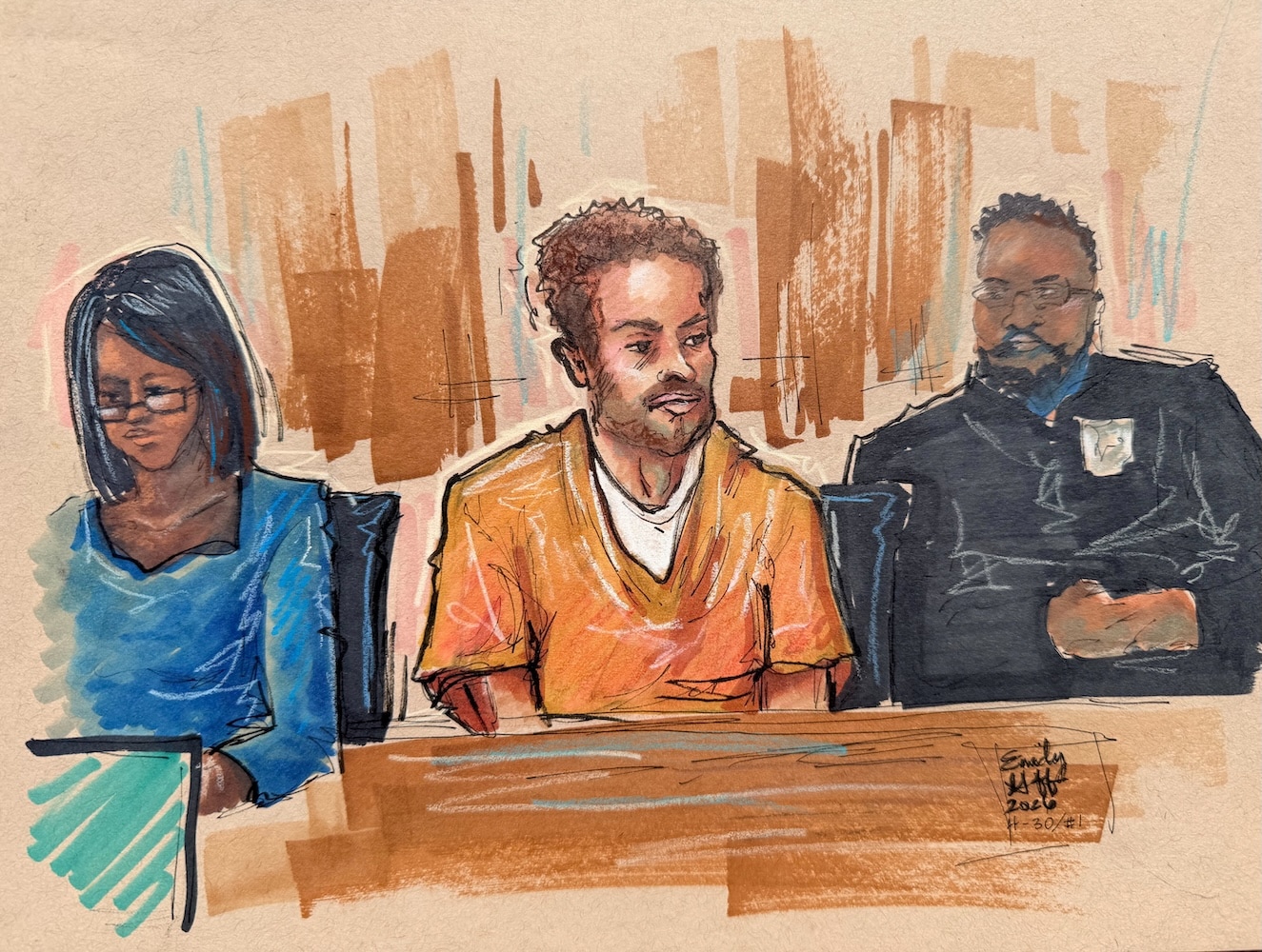
A chilling US intelligence report recently revealed that the suspect who attempted to breach the White House gala was motivated by the ongoing Iran war. This revelation sheds light on the direct translation of Middle Eastern geopolitical conflict into domestic terror threats on American soil. The suspect, whose identity and specific affiliations remain closely guarded by federal authorities, saw the high-profile gala as a platform to protest US involvement in the Middle East. Security services scrambled to contain the threat before it escalated into a catastrophic breach, but the underlying mechanisms that permitted this proximity warrant serious investigation.
The White House gala was supposed to be a standard display of diplomatic unity. Instead, it nearly turned into a tragedy. The suspect managed to bypass the initial Secret Service checkpoint by exploiting a temporary shift change in security personnel. This operational lapse highlights a systemic vulnerability in the security infrastructure protecting the nation's executive residence. For another view, read: this related article.
The suspect approached the outer perimeter in a vehicle designed to resemble a diplomatic convoy. Inside, federal investigators found evidence suggesting the suspect spent weeks observing patrol patterns. They monitored the movements of the presidential guard with terrifying precision. This level of preparation suggests more than a passing interest in the event. It indicates a deliberate, calculated assault strategy.
The intelligence report details how the suspect's communications were routed through encrypted channels originating in the Middle East. While there is no evidence of direct operational command from foreign military leaders, the ideological alignment is undeniable. The suspect consumed hours of propaganda regarding the Iran war before making the attempt. The rhetoric amplified a preexisting grievance, transforming passive hostility into kinetic action. Related coverage on this trend has been provided by The Washington Post.
The Analytical Framework of Federal Intelligence
When federal agencies assess domestic threats, they rely on a complex web of signals intelligence and open-source data. The report on the gala incident reveals the inner workings of this system. Analysts track the velocity of online radicalization and correlate it with real-world military events. When tensions rise in the Persian Gulf, the volume of domestic threat indicators inevitably surges.
However, this framework is far from perfect. The intelligence community often struggles to distinguish between harmless political rhetoric and actionable threats. Millions of Americans express strong opinions about foreign wars every day. Pinpointing the exact moment an individual crosses the line from speech to action remains an elusive goal for even the most advanced surveillance programs.
Critics argue that relying on this correlation can lead to the over-policing of marginalized communities. It risks infringing upon civil liberties without guaranteeing a proportional increase in physical security. The suspect in this case had a history of minor infractions but never triggered the high-level threat thresholds that would have alerted federal authorities sooner. The delay allowed the preparation to continue unimpeded.
Geopolitical Ripples on the Home Front
The connection between the Iran war and domestic terror attempts is not a new phenomenon. Historical precedent shows that conflicts in the Middle East consistently provoke reactions within the United States. The 1979 hostage crisis and the post-9/11 era both saw spikes in threats against government officials and infrastructure. What makes this incident unique is the direct reference to contemporary, ongoing tactical operations.
The suspect's manifesto, recovered from the vehicle, focused heavily on the economic and human toll of the conflict. It detailed a specific retaliation strategy aimed at high-ranking officials attending the gala. The strategic messaging was clear. The actor wanted to inflict maximum political damage by targeting a symbol of American power while the world watched.
This strategy forces a reevaluation of how the government handles high-profile public events. The administration can no longer treat domestic security as separate from international policy. The two spheres are deeply intertwined. A bomb dropped in the Middle East can create an immediate security vulnerability on Pennsylvania Avenue.
The Failure of Detection Protocols
Why did the monitoring systems fail to flag the suspect in time? The answer lies in the massive volume of data processed by federal agencies. The intelligence community sifts through terabytes of information every day. The specific warnings related to the gala were buried under a mountain of non-actionable intelligence.
The failure is structural, not individual. The agencies lack the personnel to follow up on every lead that mentions the Iran war in a threatening context. The system relies on prioritization algorithms that sometimes miscalculate the intent of a suspect. In this instance, the algorithm categorized the suspect as low-risk due to a lack of previous violent convictions.
The consequences of this miscalculation are severe. The Secret Service was forced to react in real-time, relying on the bravery of individual officers rather than the predictive power of intelligence models. While the officers performed admirably, relying on tactical response rather than preventive intelligence is a dangerous approach.
The Investigative Angle on the Suspect Profile
Looking closely at the suspect's background reveals a story of gradual isolation and radicalization. Friends and former associates describe a quiet individual who became increasingly obsessed with the Iran war during the months leading up to the gala. The individual spent hours in online forums dedicated to discussing the conflict. These digital echo chambers served as the incubator for the attack.
The transition from digital radicalization to physical preparation occurred within a matter of weeks. The suspect purchased the materials for the improvised explosive device online using prepaid credit cards. This method allowed the purchases to evade standard banking fraud detection systems. The anonymity of the transactions masked the preparation from financial intelligence units.
This detail exposes a blind spot in the current regulatory framework. Law enforcement agencies have limited access to private financial transactions unless a judge issues a warrant. By the time a warrant was requested, the materials were already in the suspect's possession. The regulatory lag time is measured in weeks, while the preparation takes only days.
Reassessing the Security Perimeter
The security breach at the White House gala exposed critical weaknesses in the physical and electronic barriers protecting the executive mansion. The perimeter relies on a combination of physical barriers, surveillance cameras, and human patrols. Each of these elements failed to detect the suspect's approach until the final moments.
The surveillance cameras failed to identify the vehicle's altered plates due to poor lighting and low resolution. The human patrols were distracted by a shift change, leaving a critical gap in the line of sight. These overlapping failures point to a lack of rigorous oversight in the daily operations of the security detail.
The White House must upgrade its infrastructure to handle modern threats. This includes implementing high-definition infrared cameras and automated license plate readers that connect directly to federal databases. The reliance on human observation alone is insufficient in an era of asymmetric threats.
The Policy Implications of the Incident
The political fallout from the gala incident has already begun. Lawmakers on Capitol Hill are demanding a full investigation into the intelligence failures that led to the breach. The debate centers on whether the intelligence community should be granted broader surveillance powers or if the focus should be on improving the efficiency of existing systems.
The administration faces a difficult choice. Expanding surveillance powers will likely provoke a backlash from privacy advocates and civil liberties groups. Failing to act, however, leaves the executive branch vulnerable to future attacks inspired by the Iran war or other international conflicts. The balance between security and freedom remains precarious.
The intelligence report also highlights the role of foreign state actors in amplifying the rhetoric that inspires such attacks. Propaganda networks based outside the United States actively push content designed to incite violence against American institutions. Combating this influence requires a coordinated effort between intelligence agencies and technology companies.
The Hidden Costs of Intervention
The financial cost of securing high-profile events has skyrocketed over the past decade. The security budget for the White House has increased by double digits annually. Yet, the gala incident proves that throwing money at the problem is not a guaranteed solution.
The cost of the intervention and the subsequent investigation will run into the millions of dollars. These resources are diverted from other critical areas of national security, such as counter-intelligence and cyber defense. The allocation of these resources must be reevaluated to ensure the highest return on investment for public safety.
The human cost is even higher. The officers involved in the confrontation suffered psychological trauma, and the diplomatic corps was shaken by the proximity of the threat. The psychological impact on the administration and the diplomatic community cannot be quantified.
The Future of Event Security
The approach to security at public events must undergo a fundamental transformation. Relying on perimeter defense is no longer enough. The threat must be identified and neutralized long before the suspect reaches the event location.
This requires a shift toward predictive intelligence and early intervention. Intelligence agencies must work more closely with local law enforcement to identify individuals who show signs of radicalization. This collaboration can help bridge the gap between federal oversight and local awareness.
The integration of advanced technologies can also play a significant role. Artificial intelligence models can analyze threat data more quickly, identifying patterns that human analysts might miss. However, these models must be subject to strict ethical guidelines to prevent abuse.
The Bureaucratic Friction Between Agencies
The investigation also uncovered significant bureaucratic friction between the Federal Bureau of Investigation and the United States Secret Service. These two agencies have overlapping jurisdictions when it comes to protecting the president and investigating domestic terror plots. This overlap frequently results in communication breakdowns.
During the weeks leading up to the gala, the FBI possessed information about the suspect's online activities. This information was stored in a database that the Secret Service could not access in real-time. The siloed nature of federal data storage continues to hinder counter-terrorism operations.
Interagency task forces have been proposed as a solution to this friction. However, these task forces often become mired in turf wars and budgetary disputes. Until the structural barriers between these agencies are dismantled, similar security failures remain a distinct possibility.
The Legal and Constitutional Limits on Surveillance
The debate over how to monitor individuals like the suspect touches upon fundamental constitutional questions. The Fourth Amendment protects citizens from unreasonable searches and seizures. Tracking online communications without a specific, individualized warrant presents a significant legal challenge.
Intelligence agencies argue that the evolving nature of asymmetric warfare requires more flexible data collection methods. Civil rights advocates counter that expanding surveillance inevitably leads to the monitoring of innocent citizens. The courts have historically struggled to draw a clear line between legitimate intelligence gathering and unconstitutional intrusion.
This legal ambiguity creates hesitation among analysts. They fear the professional and legal consequences of overstepping their authority. Consequently, the threshold for taking action against a suspect is set exceptionally high, sometimes preventing intervention until it is too late.
The Unfinished Investigation
The investigation into the gala incident is far from over. Federal prosecutors are preparing a case against the suspect, who remains in custody. The trial is expected to reveal more details about the preparation and the ideological motivations behind the attack.
The public deserves transparency regarding the security failures that occurred that night. The release of the intelligence report is only the first step. The accountability process must be rigorous and independent.
The shadow of the Iran war will continue to influence domestic security for the foreseeable future. The relationship between foreign policy decisions and domestic vulnerability is now a permanent feature of the threat landscape. The government must adapt to this reality if it hopes to protect its institutions and its citizens.
The threat remains real. The vulnerabilities are documented. The time for action is now.