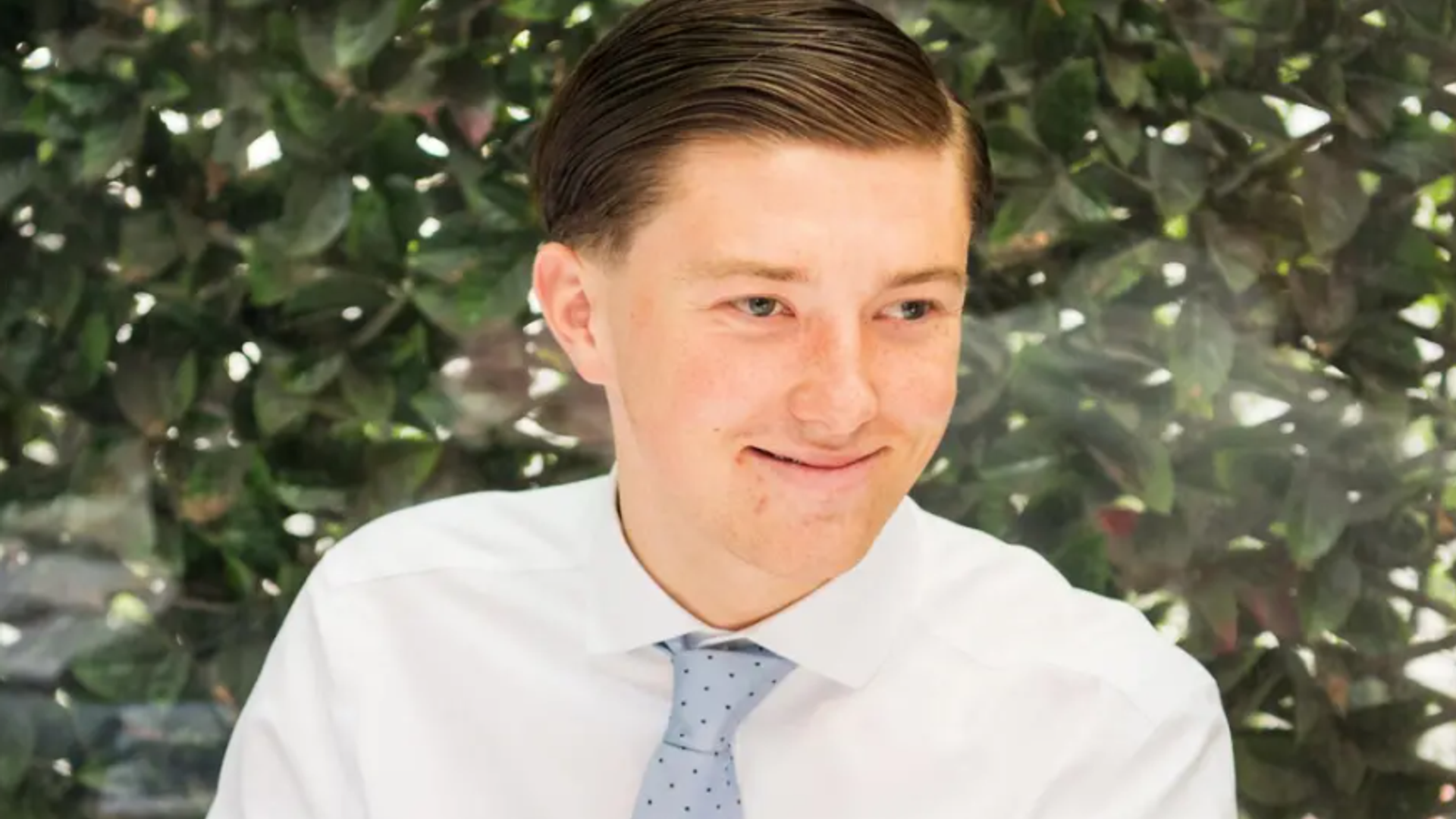
The asphalt in Southampton was freezing. It was December, the kind of biting cold that makes your breath bloom in thick, white clouds. On the ground, an 18-year-old university student named Henry Nowak was bleeding from five stab wounds to his chest. He was terrified. He was dying.
When the blue lights of the police cruisers finally sliced through the dark, Henry likely thought help had arrived. Instead, the cold steel of handcuffs clicked around his wrists. Also making waves lately: The Ceasefire Illusion Why the Cargo Ship Strike Changes Absolutely Nothing.
"I've been stabbed," Henry pleaded, his voice weakening against the chill. "I can't breathe."
"I don't think you have, mate," an officer replied. Additional insights into this topic are explored by Al Jazeera.
How does a dying victim become the prime suspect in his own murder? The answer lies in the terrifying power of a weapon more insidious than the eight-inch blade used that night: a perfectly timed, weaponized lie.
Minutes earlier, Vickrum Digwa, 23, had plunged a knife into the teenager. But as police stepped onto the scene, Digwa didn't run. He changed the narrative. Newly released police bodycam footage exposes the exact moment that institutional bias, modern anxiety, and a killer’s calculated deception collided to steal Henry’s final moments of dignity.
Digwa stood before the officers, entirely unbound, and spun what the courts would later call "wicked lies." He claimed Henry was a drunk aggressor who had launched a vicious, unprovoked racial assault against him.
"He pushed my turban off my head and started grabbing my hair," Digwa told the police, his voice steady, anchoring his deception in religious desecration to guarantee an emotional response. "I'm a Sikh, obviously... and he started dragging me around."
To make the story believable, prosecutors later revealed that Digwa had actually removed his own turban before the police arrived, staging his own victimhood. His father, standing beside him, backed the story.
The manipulation worked. For the officers, the fear of mishandling a hate crime seemed to eclipse the medical emergency unfolding on the pavement. The system's modern operational guidelines urge police to react with extreme sensitivity to allegations of racial abuse. Digwa knew exactly which levers to pull.
When asked about the blood pooling around Henry, Digwa casually dismissed it. "It must have been when we punched him," he murmured, before offering another theory: "But he did fall over here... climbing all over these bins and stuff."
While Henry lay handcuffed, gasping for air, the man who killed him was treated with a gentle, cautious deference. Even when Digwa was finally placed under arrest for suspected attempted murder, his hands remained free.
"Mate, I've been racially attacked," Digwa protested as the officer detained him.
"I know, I know, I know," the officer consoled him.
Comfort for the killer. Handcuffs for the dying boy.
The truth, as it always does, eventually emerged from the shadows, but far too late for Henry. Prior to the attack, Henry had actually started recording Digwa on his phone because he saw him carrying a massive ceremonial blade. Henry wasn't a racist attacker; he was a witness trying to document a threat. Toxicology reports later proved Henry's alcohol level was well below the legal driving limit. He wasn't the blind-drunk thug Digwa painted him to be. He was just a kid trying to survive the night.
This month, a judge sentenced Digwa to life in prison, with a minimum of 20 years. Hampshire Police Chief Alexis Boon issued a public apology to Henry’s family, acknowledging the profound failure of the arrest. But an apology cannot scrub the footage from the public consciousness, nor can it quiet the fury that has since torn through the country.
The tragedy didn't stop on the Southampton pavement. The vacuum left by the police's initial misjudgment was instantly filled by the internet's worst impulses. In the weeks following the murder, social media exploded with misinformation. Riots erupted. AI chatbots and viral posts falsely named innocent, former police officers as the handlers on the scene, forcing blameless people into hiding after receiving death threats. An onslaught of online abuse was directed at the wider Sikh community, punishing thousands for the sins of one manipulative man.
Deception has a radioactive half-life. Digwa’s lie didn't just end Henry Nowak's life; it broke a community’s trust, exposed the paralyzing vulnerabilities of modern policing, and weaponized the very systems meant to protect the vulnerable.
Consider the terrifying simplicity of it all. A knife takes a life in a matter of seconds. But a lie can twist the fabric of justice so completely that a boy’s final words on this earth—a desperate plea for air—are dismissed as the complaints of a criminal.
The bodycam footage ends, the court cases conclude, and the cell door locks behind Vickrum Digwa. But the haunting image that remains is not the face of the killer. It is the silhouette of an innocent teenager, pinned to the frozen ground, spending his final breaths trying to convince the world that he was the one who was hurting.


