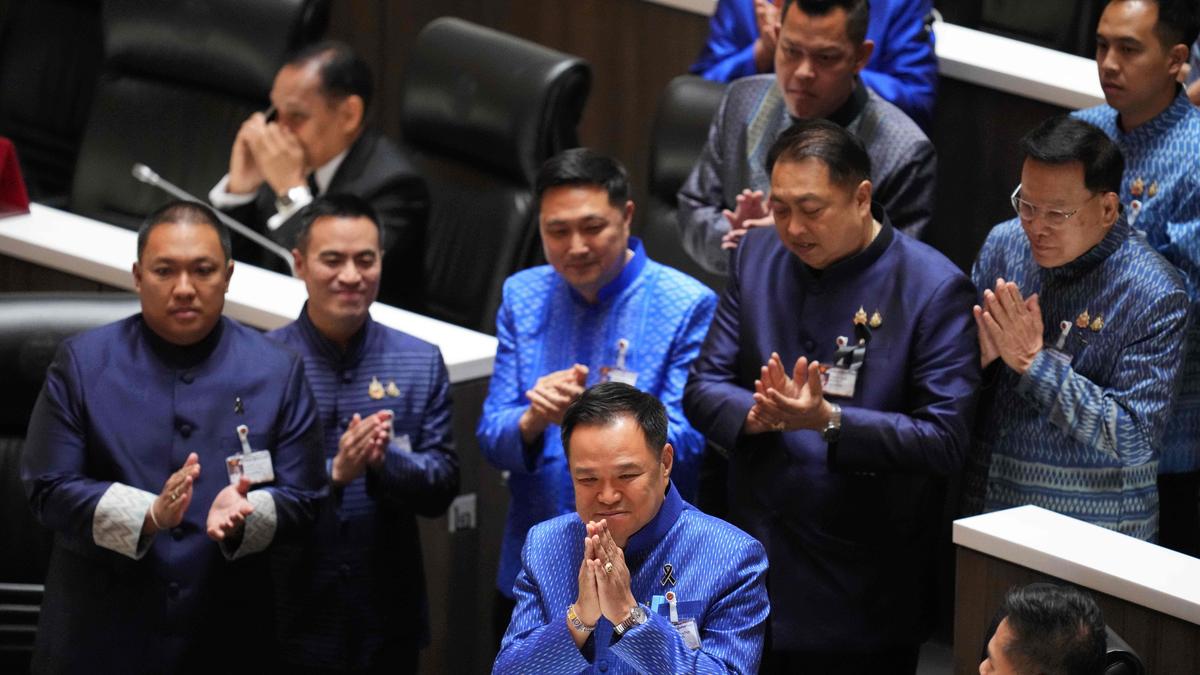
Anutin Charnvirakul is still standing. Despite the noise, the protests, and the intense grilling from the opposition, Thailand’s Prime Minister just secured his seat through a high-stakes Parliament vote. If you thought this was going to be the moment the coalition crumbled, you haven't been paying attention to how Thai politics actually works. It’s never just about the policy. It’s about the math of survival.
This wasn't a close call. The numbers in the House of Representatives showed a clear, calculated alignment of the Bhumjaithai Party and its allies. For those watching from the outside, the result might seem like a simple "business as usual" scenario. But for anyone living here or investing in the region, this vote represents a specific kind of stability—one built on compromise rather than total consensus. Anutin didn't just win a vote; he bought more time to push a very specific, often controversial agenda.
The Math Behind the Victory
Thai parliamentary votes are less about persuasive oratory and more about the "whip" system and pre-arranged deals. Anutin entered the chamber knowing exactly how many hands would go up. The coalition government remains a patchwork of interests, but for now, those interests still point toward keeping the current leadership in place.
The opposition, led by the People’s Party, threw everything they had at him. They focused on the economy, the handling of the "digital wallet" rollout, and the ongoing debates surrounding cannabis regulation—a signature Anutin move. Yet, the coalition held firm. Why? Because the alternative is chaos. In Thai politics, a collapsed government usually leads to a vacuum that nobody is ready to fill just yet.
The tally wasn't just a win for Anutin. It was a signal to the military-aligned factions and the conservative elite that the Bhumjaithai leader can still manage the room. He’s the bridge. He’s the guy who can talk to the grassroots while keeping the high-level establishment from getting too nervous.
Why the Opposition Strategy Failed This Time
You have to look at the People’s Party strategy to understand why they couldn't land a knockout blow. They went for the jugular on issues of transparency and economic mismanagement. These are valid points. Thailand’s household debt is hovering at around 90% of GDP. That’s a staggering number that genuinely hurts the average family in Bangkok or Isan.
But here’s the thing. The opposition’s arguments were intellectually sound but lacked the political leverage to flip coalition members. In a system where patronage still dictates a lot of local voting power, arguing about "structural reform" doesn't always beat "we are currently in power and can direct the budget." Anutin knows this better than anyone. He’s a pragmatist. He’s built his career on being the indispensable partner.
The Cannabis Question and the Economy
You can't talk about Anutin Charnvirakul without talking about weed. His push to decriminalize cannabis was a massive gamble that initially looked like a masterstroke for tourism and agriculture. Then the pendulum swung back. Critics pointed to a lack of regulation and a rise in recreational use among minors.
During the recent debates, the opposition hammered this point. They called it a "policy failure" that created a legal gray area. Anutin’s defense has stayed consistent. He frames it as an economic opportunity for farmers and a medical necessity. Honestly, the back-and-forth on this issue has become a bit of a stalemate. The government is now moving toward tighter controls rather than a full reversal, which seems to have satisfied enough of the moderate coalition members to keep the vote count in his favor.
On the broader economic front, the Prime Minister is leaning heavily on tourism recovery. With arrivals expected to hit 35 million or more this year, the "Land of Smiles" is relying on travel spending to paper over the cracks in the manufacturing sector. Anutin’s survival means these tourism-heavy policies will continue. If you're in the travel industry, this is the news you wanted.
The Real Power Dynamics in 2026
Thailand in 2026 is a different beast than it was a decade ago. The influence of the "old guard" is still there, but it’s being challenged by a younger, more vocal electorate. Anutin is essentially a shield. He allows the establishment to maintain a facade of democratic process while ensuring that radical changes to the constitution or the monarchy’s status remain off the table.
His survival in this vote is a win for the status quo. It’s a win for big business interests that crave a predictable regulatory environment. It’s also a sign that the "Grand Coalition" between former rivals—the pro-Thaksin forces and the conservative factions—is still holding, however awkwardly. They’ve realized that they need each other to keep the more radical reformist elements at bay.
What Happens on the Streets
While the Parliament vote is settled, the sentiment on the street is a different story. Young Thais, in particular, feel a growing disconnect between the maneuvers in the Government House and their own daily struggles. You see it in the coffee shops and on social media. There’s a sense that the political class is playing a game of musical chairs while the cost of living keeps climbing.
Anutin’s biggest challenge now isn't the next no-confidence motion. It’s the next election. He can win the room in Parliament through deals and handshakes, but winning the heart of a frustrated public is a much taller order. He’s going to have to prove that his government can do more than just survive—it has to deliver tangible growth that reaches beyond the luxury malls of Bangkok.
Immediate Practical Realities
For anyone watching this from a business perspective, the takeaways are pretty straightforward.
- Policy Continuity: Expect no major shifts in energy, health, or tourism policy. The current roadmap stays.
- Investment Climate: The "stability" factor is high, which usually keeps the Baht relatively steady, but long-term structural issues remain unaddressed.
- Cannabis Regulation: Watch for a "middle ground" law. It won't be fully banned again, but the Wild West era is definitely ending.
The vote is over. The posters will stay up, the motorcades will keep moving, and Anutin Charnvirakul remains the man at the center of the web. He’s proved once again that he’s one of the most resilient survivors in Southeast Asian politics. Whether that’s good for the long-term health of Thai democracy is a debate that will continue long after the final vote count is forgotten.
If you are looking to navigate the Thai market under this continued leadership, your best move is to focus on sectors aligned with the government’s 2026 priorities: high-end tourism, medical wellness, and regional infrastructure projects. The political risk of a sudden government collapse has dropped significantly for the next twelve months. Position your investments accordingly.