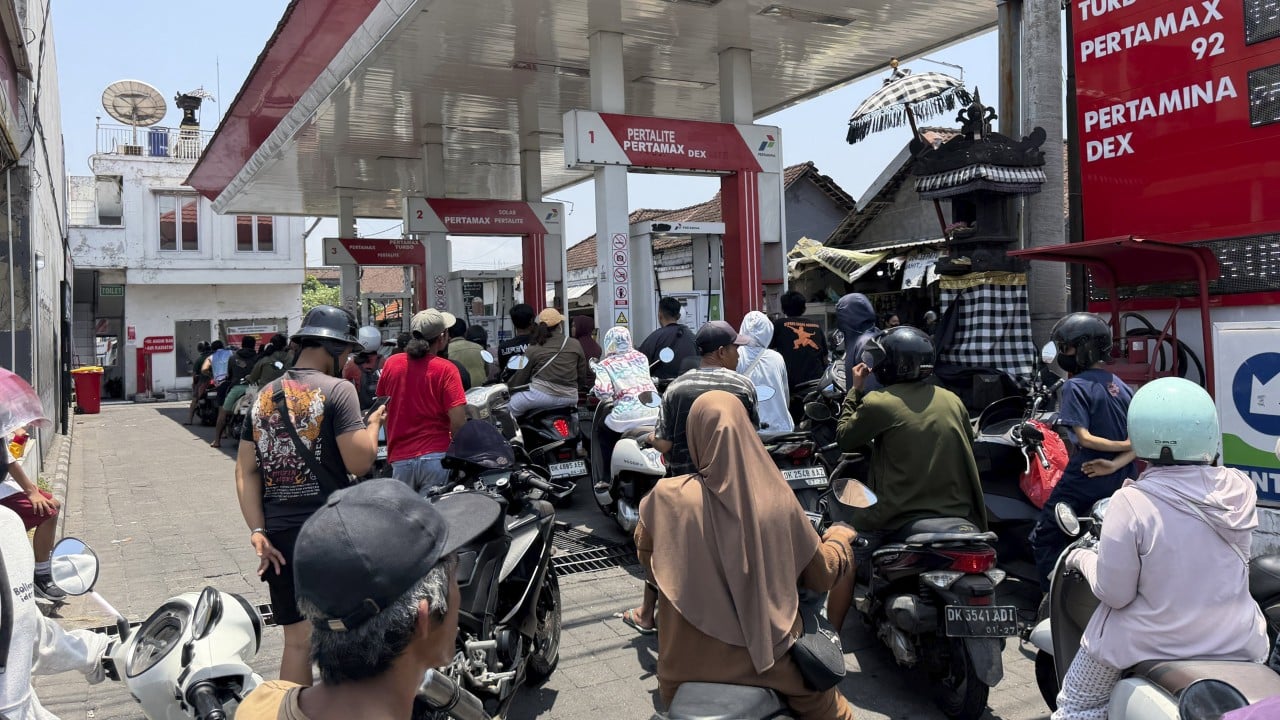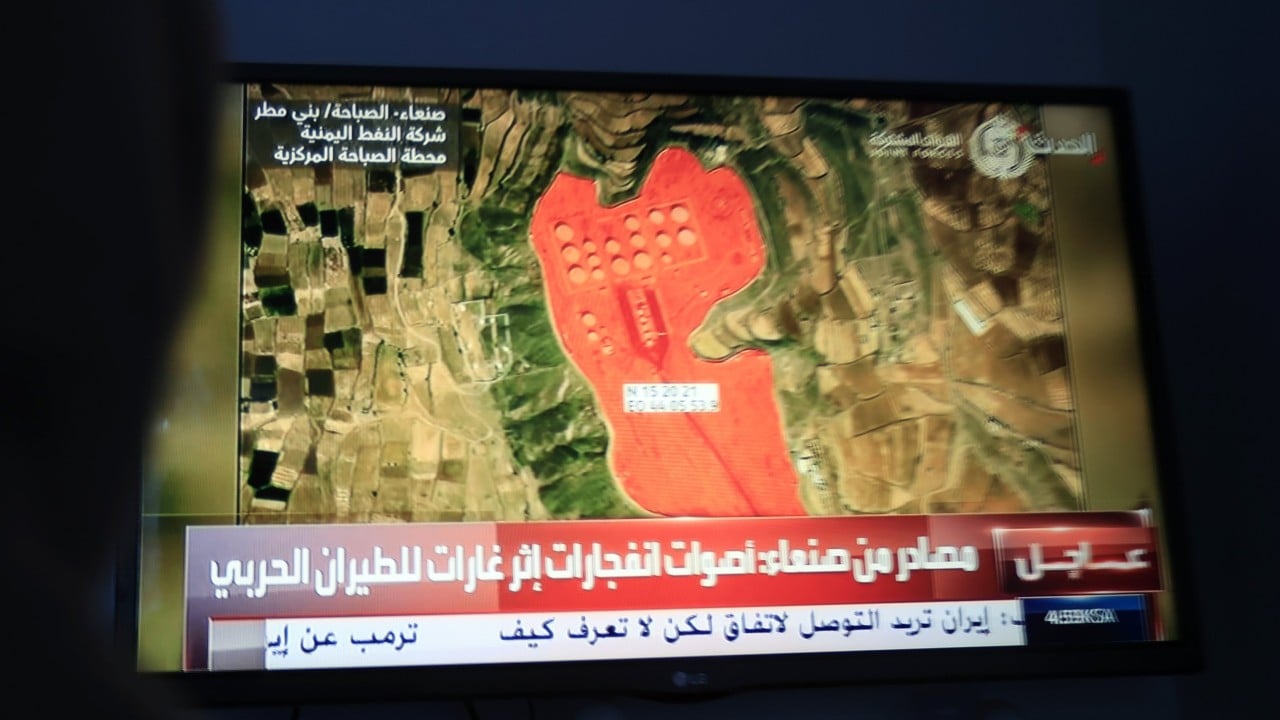
When a drone or missile hits a Saudi Aramco facility, the shockwave never stays inside Saudi borders. You feel it at the fuel pump, in shipping insurance quotes, and in boardrooms trying to figure out whether an isolated fire or a full-blown supply shock is coming next.
Every time Houthi forces and the Saudi-led coalition trade strikes, standard breaking news tends to flatten the story into a simple ping-pong match: one side claims a hit, the other announces interceptions and retaliatory airstrikes. Honestly, that framing misses the real mechanics of what's happening on the ground and along the shipping lanes.
What Actually Happens When an Aramco Facility Gets Hit
"Aramco facility" sounds like one giant bucket of oil, so people often assume a strike automatically takes millions of barrels off the market. That's rarely how it works in practice.
Aramco runs a sprawling web of upstream fields, gas-oil separation plants, pipelines, export terminals, and office buildings. Damage to an administrative building or blown-out windows in a commercial tower is a completely different operational event from a direct hit on a stabilizer column, storage tank, or pumping station. In several of the recent exchanges across Riyadh and the wider kingdom, Saudi officials have reported localized fires or shrapnel damage to buildings while air defenses intercepted incoming projectiles, even as Houthi spokesmen claimed direct hits and heavier destruction.
I've watched energy analysts make the same mistake over and over during regional flare-ups: treating every headline claim as an instant supply outage. Markets price risk first and barrels second. A single drone near a pipeline station or storage site can spike crude prices for hours just because traders don't know yet if a valve was ruptured or a pump went offline.
History shows why traders get jumpy. Back in September 2019, strikes on Abqaiq and Khurais knocked out a massive chunk of Saudi crude output—roughly 5% of global daily supply at the time—and forced emergency reserve releases. Even when newer attacks cause lighter physical damage or get intercepted mid-air, that memory hangs over every alert.
Why the East-West Pipeline and Red Sea Are Now the Real Pressure Points
If you want to understand why this exchange of fire matters so much right now, look at geography. Since the truce unraveled in July and the wider regional war with Iran disrupted shipping through the Strait of Hormuz, Saudi Arabia has leaned heavily on alternative export routes.
The East-West Crude Oil Pipeline is the linchpin. It carries crude across the kingdom toward Yanbu on the Red Sea so exports don't have to squeeze through Hormuz. When attacks hit or threaten pumping stations along that corridor—or target Red Sea tankers and the Bab al-Mandab chokepoint—the bypass itself comes under pressure.
That creates a nasty squeeze. Eastern export routes face Strait of Hormuz disruptions, while western alternatives around Yanbu and the Red Sea sit closer to Houthi reach and maritime threats. Rerouting tankers around longer sea lanes adds days to transit times and pushes up freight and war-risk costs, even when crude keeps flowing.
Inside the Houthi and Saudi Coalition Escalation Loop
A lot of coverage treats cross-border strikes as random or purely symbolic. They're not. Both sides are signaling leverage while trying to avoid losing control of the escalation ladder.
For the Houthis, striking—or claiming strikes on—high-profile targets like Aramco facilities, Riyadh's financial district, airports, and southern military sites serves two purposes at once. First, it projects reach deep inside Saudi territory. Second, it tries to impose domestic political and economic costs in retaliation for coalition airstrikes inside Yemen.
For the Saudi-led coalition, the response combines layered air and missile defense with strikes on launch sites, depots, and infrastructure linked to Houthi military logistics in Yemen. Spokesmen on both sides routinely dispute battle damage and casualty figures, and independent journalists rarely get unrestricted access to damaged industrial or military sites.
When two sides fight an information war alongside a drone and missile war, the first casualty is clean data—official statements, militant claims, and satellite imagery all tell partial pieces of the story.
That lack of transparency is one of the biggest blind spots for casual readers. A claim of a "direct hit" might refer to a single intercepted drone, a secondary fire, or a strike that missed its intended mark. Conversely, a quiet statement about "minor damage" doesn't always tell you how long maintenance crews need to inspect equipment or restart a line.
Common Myths About Saudi Oil Attacks
Let's clear up a few misconceptions that keep popping up whenever these clashes flare:
- One hit equals a global oil crisis: Unless critical processing units, main export terminals, or primary trunk lines suffer prolonged structural damage, spare capacity, inventory buffers, and rerouted shipments can absorb shorter disruptions.
- Air defense means zero risk: Interceptors knock down a huge share of incoming threats, yet debris, shrapnel, and low-flying drones still pose real hazards to nearby buildings, airports, and people on the ground.
- Claims and denials settle the facts: Wartime messaging is designed to shape morale, deterrence, and market psychology. Always look for corroboration from energy ministries, shipping trackers, or independent reporting over time rather than reacting to the first post on social media.
Practical Ways to Track What Matters Next
If you're following these exchanges for work, travel, or market awareness, skip the noise and watch concrete indicators instead:
- Check physical flow data, not just headlines: Look at updates from Saudi energy authorities, pipeline throughput figures, and tanker tracking reports to see whether crude loadings at Yanbu or pipeline pumping rates actually dip.
- Watch transport and aviation signals: Flight suspensions, rerouted commercial ships, and shifts in marine insurance rates tell you faster than political rhetoric whether operators view the threat as acute.
- Separate rhetoric from diplomatic moves: Pay attention to coalition statements, foreign ministry travel advisories, and regional warnings—those shifts usually signal whether escalation is staying contained or widening.