The blueprints arrived rolled tightly in heavy cardboard tubes, smelling faintly of ozone and fresh printer toner. On paper, it was simply logistics. A stage here. Bleachers there. Load limits calculated down to the single decimal place for cobblestones that had known the boots of generals, senators, and ghosts for more than two centuries. But paper does not reflect the grey winter light off the Potomac. Paper does not account for the weight of an era settling into place over the nation's front lawn.
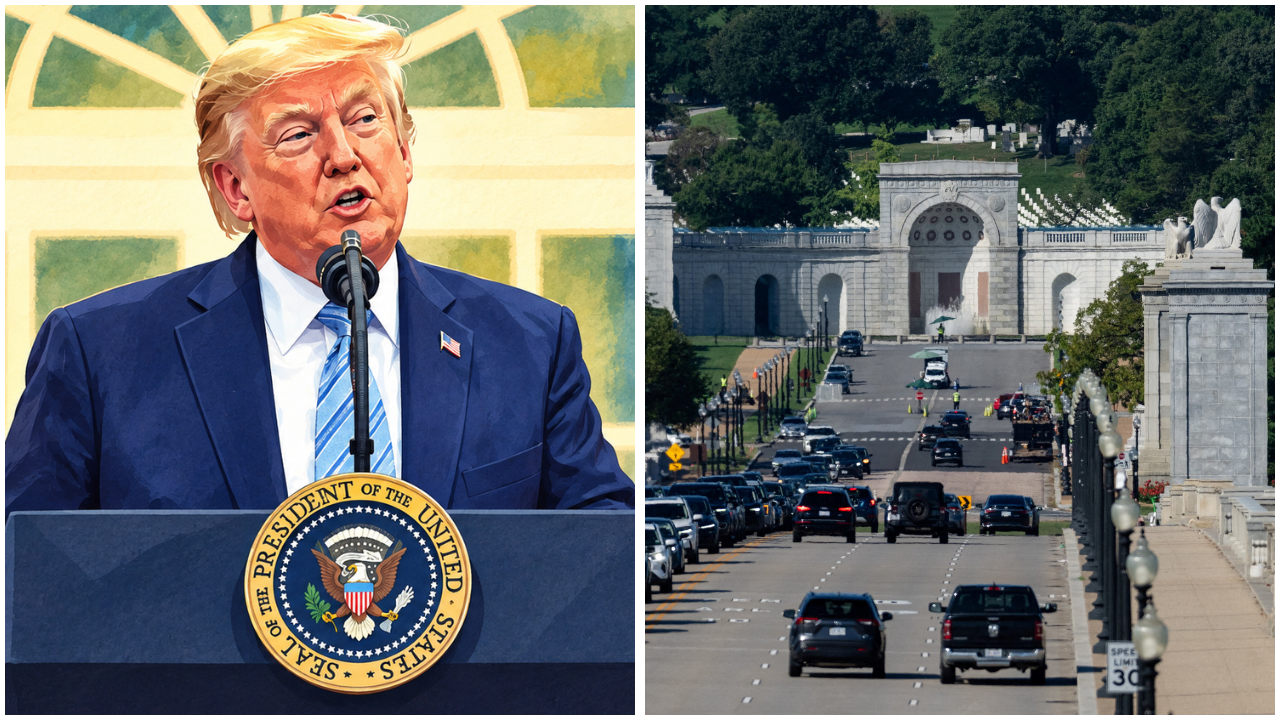
When the plans for the Washington triumphal arch were first drafted, they were framed in the reassuring language of pageantry. History likes its pageantry clean. We prefer to picture Roman legions marching under laurel wreaths, or Victorian monarchs passing beneath arches of painted wood and plaster, built to vanish the morning after the celebration. We like our power dressed in the harmless aesthetics of temporary theater.
Then the addendums came.
Drones. Snipers. Additional ammunition stores.
Suddenly, the vocabulary of civic celebration shifted into something far heavier. The transition from bunting to ballistic protection is not a subtle one. It marks a distinct crossing, a moment where the architecture of statecraft stops pretending it is only here to welcome the crowd and begins preparing for the worst the crowd might bring.
To understand what is happening on the streets of the capital, you have to look past the bureaucratic announcements and consider the physical reality of modern security theater. Picture a standard perimeter security detail. To an observer standing fifty yards away behind a temporary metal barricade, it looks orderly. Uniforms are pressed. Radios hum with low-frequency static. But look closer. Look at the elevation changes. Look at the high, neoclassical rooflines of the federal buildings flanking the avenue, structures designed a century ago for quiet bureaucrats with green eyeshades, now temporarily repurposed as nests for tactical observers carrying rifles with effective ranges stretching beyond a mile.
This is the hidden cost of our current political climate. Every display of institutional strength must now be padded against an invisible, omnipresent fear.
Historically, triumphal arches were built to broadcast victory outward to foreign rivals or inward to domestic subjects. They were monuments of arrogance, designed to dwarf the individual citizen and remind them of the supreme might of the sovereign. But a modern arch fortified with counter-surveillance drones and rooftop sharpshooters communicates something entirely different. It does not say, Look upon our glory. It says, Look upon our vulnerability.
Consider the logistics of securing a high-profile public assembly today. It is an exercise in paranoia turned into engineering. Every trash can must be removed or fitted with blast-resistant lining. Every storm drain must be sealed. Every rooftop within line of sight must be cataloged, assigned, and occupied. When planners added heavy ordnance and tactical surveillance packages to the Washington arch deployment, they were not just checking boxes on a standard threat matrix. They were acknowledging a dark truth about our civic life: we no longer trust the space between us.
We have built a society where the public square is simultaneously the most heavily watched place on earth and the most fragile.
I remember standing near the National Mall years ago during a simpler inauguration cycle, back when the security footprint felt like a polite suggestion rather than an occupation. You could smell the hot dogs and wet wool. You could hear the muffled roar of thousands of voices bouncing off the marble facade of the Treasury building. There was friction, certainly, but it was human friction. It was the jostle of elbows, the accidental stepping on heels, the shared misery of freezing January winds.
Today, that human friction is treated as a threat vector.
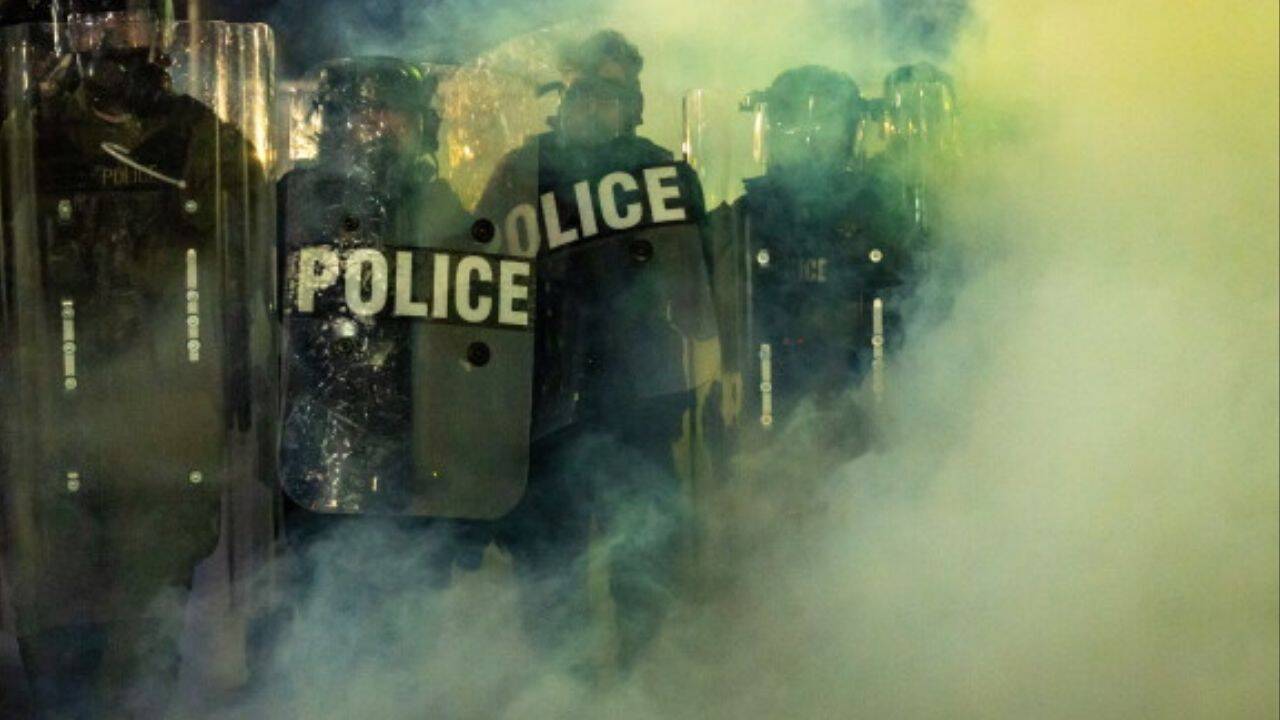
When you introduce drones humming invisibly three hundred feet above the crowd, you alter the psychology of the gathering. People stop looking up at the monuments; they start looking up at the sky, wondering which dot belongs to the press, which belongs to the police, and which belongs to something worse. When you station snipers on the cornices, you turn a celebration into a zone of silent intimidation. The message is absorbed not through speeches or banners, but through the nervous system. You are safe, the state whispers, because we are pointing rifles at anyone who might wish you harm—including, by implication, each other.
This is the paradox of modern power. To project absolute control, the state must surround itself with absolute defense. But that defense creates a chilling effect that eats away at the very legitimacy it is meant to protect. A triumphal arch is supposed to celebrate a shared triumph. When it requires an inner ring of specialized tactical units and anti-drone electronic jamming gear to stand safely, it stops being a monument to the people and becomes a bunker for the authorities.
The blueprints are finalized. The permits are pulled. The concrete Jersey barriers are stacked in neat, ominous rows just off the asphalt, waiting for the dead of night when the cranes will move in to set them. Beneath the surface of the grand spectacle, the mechanics of modern survival hum quietly along, reminding us that the distance between a celebration and a siege has grown dangerously thin.