The air inside the small cafe in central Tehran smelled of cardamom and damp wool. Outside, the autumn rain slicked the asphalt of Enghelab Street, reflecting the harsh glare of neon shop signs and the hurried footsteps of pedestrians clutching their coats against the chill. Inside, behind a counter scarred by decades of spilled tea and restless elbows, a man named Reza stared at the small television mounted in the corner.
The screen flickered with a translator’s hurried voice overdubbing a speech originating thousands of miles away. Words like annihilation, maximum pressure, and total destruction bounced off the tiled walls. The patrons didn’t gasp. They didn't panic. They simply sighed, a collective exhalation of breath that had become a second language in a country where political survival has long been measured in heartbeats and currency devaluation rates.
Reza wiped the counter with a grease-stained rag, his movements practiced and heavy. He had seen this script before. Different actors, same lines. The rhetoric of ruin delivered with the theatrical flair of a late-night broadcast. But beneath the bluster lay a quieter, more terrifying question that every shopkeeper, diplomat, and strategist across the globe was asking in hushed tones: Is this the drumbeat of actual war, or is it merely the aggressive percussion of a master negotiator trying to hammer a stubborn adversary into signing a deal?
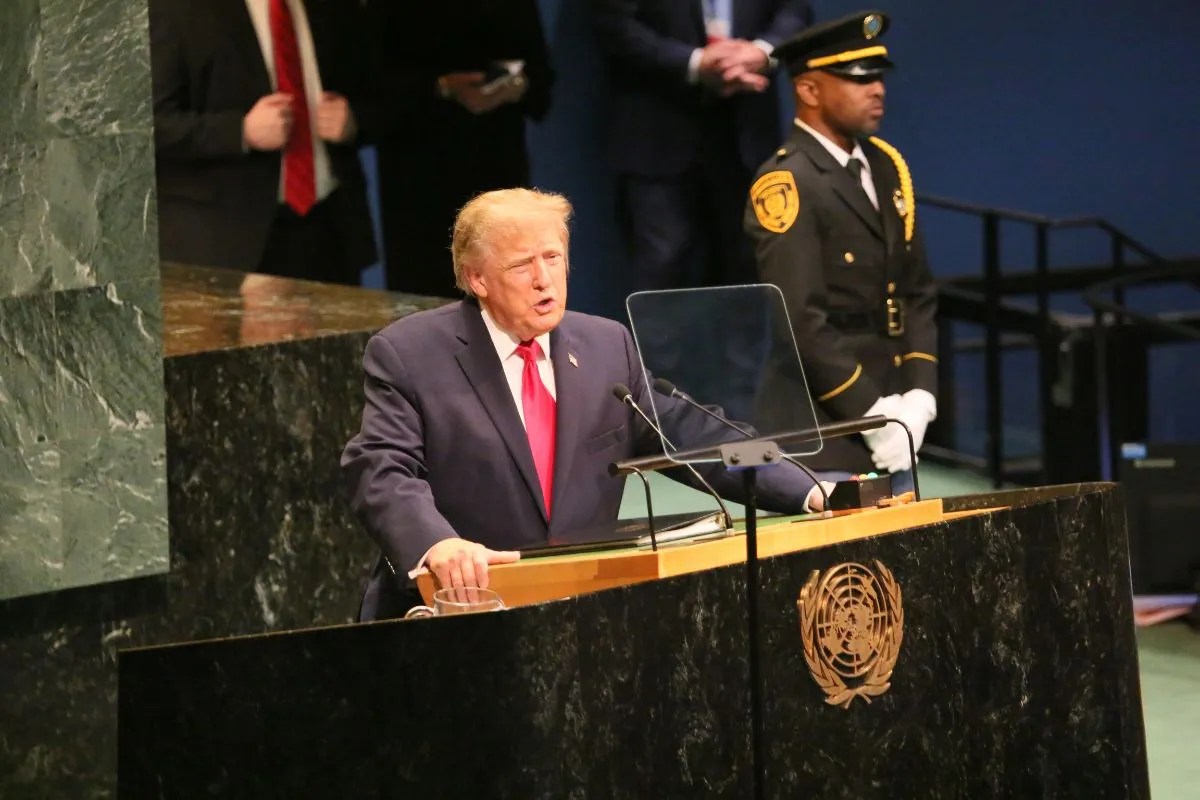
To understand the theatre of modern brinkmanship, one must first step inside the mind of transaction. For Donald Trump, foreign policy has never been an abstract exercise in ideological containment or the polite maintenance of global norms. It is real estate. It is a high-stakes poker game played with heavy artillery chips. In this worldview, you do not start negotiations in the middle; you start them at the absolute edge of the precipice. You threaten to burn the house down not because you want ashes, but because you want the owner to panic, run inside, and accept whatever price you offer for the deed.
History provides a crooked mirror for this behavior. Richard Nixon famously weaponized what political scientists call the madman theory—cultivating an international persona of unpredictable volatility so that adversaries would fear the consequences of pushing too far. They had to believe that the leader in the Oval Office was erratic enough, angry enough, and detached enough from conventional restraint to press the button. Trump inherited this playbook, stripped away its cold war subtlety, and televised it in real-time.
When threats are hurled across oceans, they are rarely singular statements. They are complex acoustic waves designed to achieve multiple objectives simultaneously. Domestically, they signal strength to a base that hungers for dominance. Internationally, they test the structural integrity of alliances and shake the nerves of foreign ministries from London to Beijing. But their primary target is always the psychology of the opponent sitting across the virtual table.
Imagine sitting in a quiet, high-security room in Tehran. The walls are thick, the lighting is austere, and the tea has gone cold. The men who hold power there—ideological hardliners tempered by decades of sanctions, proxy wars, and domestic unrest—do not hear threats as empty noise. They analyze every syllable for intent. Is this rhetoric designed for domestic consumption on cable news, or are carriers repositioning in the Persian Gulf? Is the economic stranglehold meant to choke off their oil revenue permanently, or is it an invitation to whispered backchannel talks mediated by Oman or Switzerland?
This is the central paradox of maximum pressure. By pushing an adversary to the very edge of economic and existential suffocation, you narrow their options until they have nowhere left to run. And when a regime backed into a corner feels it has nothing left to lose, the calculus shifts from rational bargaining to desperate defiance. That is the danger of playing with matches in a powder room. The architect of the threat assumes absolute control over the flames, forgetting that wind is an unpredictable element.
Consider what happened during previous cycles of tension. The withdrawal from the nuclear accord, the targeted strikes, the tightening financial noose—each step was billed as the ultimate pressure point that would either force Tehran to capitulate or trigger internal collapse. Yet, the regime did not fall. Instead, it accelerated its nuclear enrichment program, deepened its alliances with eastern powers, and weathered the storm by squeezing its own populace harder. The ordinary citizens absorbed the blow. The price of bread climbed. Medical supplies grew scarce. The cost of geopolitical posturing was paid in the quiet, unrecorded struggles of families trying to buy milk and medicine.
Now, the rhetoric returns with renewed vigor. The word 'destroy' is bandied about with casual brutality, tossed into the slipstream of global headlines like a grenade thrown from a passing car. Analysts parse the syntax. Pundits debate the strategy on morning talk shows, measuring the threat against past precedents. Is it a negotiating tactic? Almost certainly. But to reduce it to a mere bargaining ploy is to ignore the human collateral damage of manufacturing perpetual crisis.
When you treat sovereign nations and millions of human lives as chips on a gaming table, the stakes are not theoretical. For a young engineer in Isfahan coding software by candlelight during rolling power cuts, the threat of total destruction is not a strategic abstraction; it is the weight that flattens ambition into survival mode. For a mother in Shiraz calculating whether her savings will cover next month's rent as the local currency plunges, geopolitical posturing is an invisible tax levied by foreign capitals.
Diplomacy requires leverage, true. But sustainable diplomacy also requires a horizon of trust, or at least a shared recognition of reality. When foreign policy is reduced to a relentless cycle of extreme intimidation followed by abrupt overtures, both sides become trapped in a feedback loop of suspicion. Every concession is viewed as a trap; every compromise is framed as weakness.
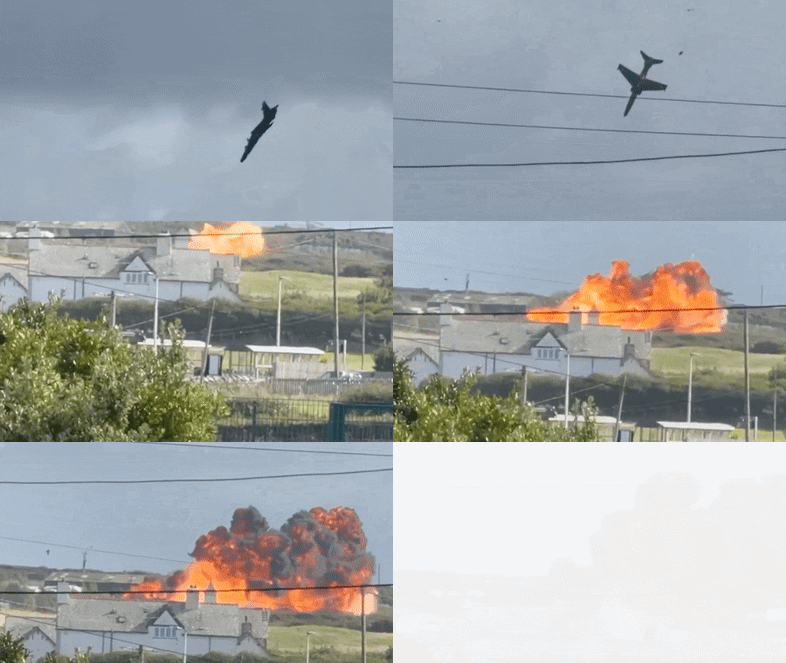
The art of the deal, when played at the nuclear threshold, resembles Russian roulette played with an automatic pistol. You can spin the cylinder a hundred times and claim you know the odds, but it takes only one miscalculated twitch to alter the course of history. Intelligence reports can be misread. Translators can miss the nuance of a localized idiom. A stray drone or an overzealous commander in the Strait of Hormuz can turn a theatrical bluff into a blinding flash of reality.
This is why the questions raised by these latest threats are not academic exercises for think tanks. They touch the raw nerve of global stability. If an ultimatum is merely the opening gambit of a transactional mindset, it relies entirely on the adversary's willingness to play along with the theatre. But what happens when the adversary stops believing in the safety net? What happens when they decide that dignity in defiance is preferable to humiliation at the negotiating table?
History suggests that empires and regimes rarely fold simply because a powerful voice tells them to. External pressure often acts as a domestic sealant, welding a fractured populace to a defensive flag. The harder the hammer falls, the harder the iron becomes. The strategists drafting these ultimatums in carpeted Washington offices rarely account for the stubborn resilience of human pride under siege.
Back in the Tehran cafe, the television screen shifted to a commercial break, washing the room in bright, cheerful colors that seemed entirely disconnected from the gravity of the news. Reza poured another glass of tea for an old man sitting near the window. Neither spoke of the threats broadcast moments earlier. They didn't need to. They understood the dance. They knew that empires rise and fall on the cadence of their leaders' ambitions, while ordinary people simply learn to navigate the tremors.
The threat remains hanging in the air, sharp and sulfurous, a sword of Damocles suspended by a thread of political calculation. Whether that thread snaps or is carefully pulled back to reveal a signed parchment in a gilded room is the question of our era. But as the rain continues to fall outside, washing the dust from the streets of an ancient city, the truth remains stark and unyielding. You can threaten to burn the world down to force a signature, but once the match is struck, you no longer control where the fire spreads.