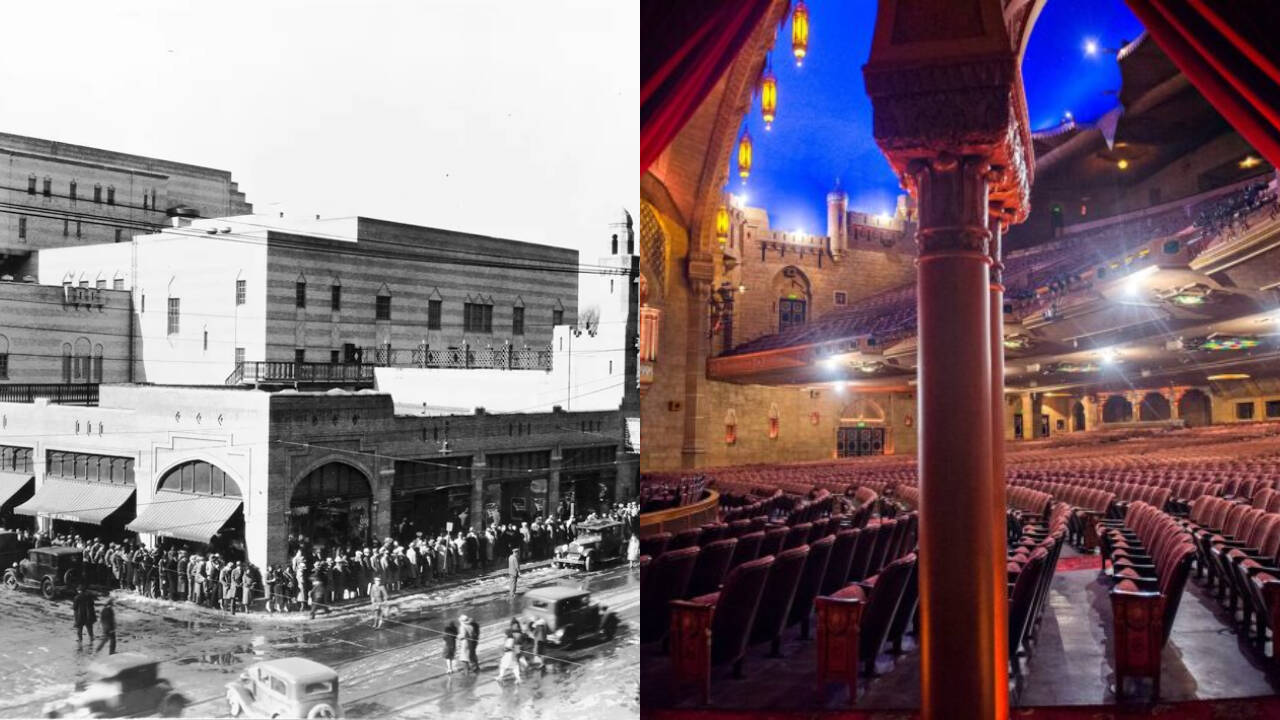
Progress has a nasty habit of eating its own history. In the mid-1970s, downtown Atlanta was hooked on a particular brand of modernization that involved asphalt, concrete, and the sound of wrecking balls. Southern Bell wanted the block where the Fox Theatre stood. They owned the mortgage, they had big blueprints, and they were ready to turn an architectural masterpiece into an office tower.
People shrugged. Cities change. That is how the world works.
Except a group of locals refused to let it happen. They formed Atlanta Landmarks Inc., scraped together millions of dollars through sheer grit, and saved the building. It wasn't just a win for historic preservation. It was a masterclass in how a community fights back against corporate short-sightedness.
The Anatomy of a Near-Death Experience
Opened in 1929 just as the stock market crashed, the Fox Theatre was born under a bad sign. Designed by the firm Mayberry & Hughes with architectural input from Boller Brothers, the Moorish-Egyptian fantasy palace cost more than three million dollars to build during the Great Depression. It featured a simulated Bedouin tent ceiling complete with twinkling electric stars and a massive four-manual, 42-rank Moller organ affectionately known as "Mighty Mo."
By the 1970s, the neighborhood had shifted. White flight and suburban sprawl hollowed out downtown Atlanta. Movie palaces across America were dropping like flies, replaced by suburban multiplexes with sticky floors and drywall. Southern Bell bought the mortgage on the Fox with every intention of tearing it down to build a new headquarters parking lot or office complex.
The financial hole was staggering. To buy out the mortgage and clear the debts, organizers needed three million dollars in an era when three million bought a lot more than it does today. Time was ticking. The demolition permits were practically stamped.
Atlanta Saved Its Fox Theatre Because Citizens Refused to Blink
Joe Patten didn't care about real estate projections. He cared about the pipe organ. As the theatre's technical director, Patten became the spark plug for the Save the Fox movement. He barricaded himself inside the building, gave tours to anyone willing to listen, and helped rally an eclectic coalition of preservationists, teenagers, union members, and society matrons.
They didn't wait for a government bailout. They launched grassroots fundraising campaigns that felt desperate because they were. Schoolchildren brought in pocket change. Rock bands held benefit concerts. Willie Nelson, Lynyrd Skynyrd, and the Atlanta Rhythm Section stepped up to play benefit shows because artists actually cared about the room's legendary acoustics.
The campaign hit the three million dollar mark just in time. Southern Bell backed off. The mortgage was paid.
Why This Fight Still Matters Today
Most cities tear down their past and wonder why they lost their soul twenty years later. Atlanta almost made that mistake on Peachtree Street.
When you walk into the Fox today, you aren't just seeing a movie or a touring Broadway show. You are standing inside a monument to stubbornness. The gold leaf, the faux-lapis lazuli sky, and the massive brass fixtures survived because regular people decided a parking lot wasn't worth the sacrifice.
Cities need density, sure. But they also need anchors. They need places that make you look up, drop your jaw, and remember that human beings are capable of building things meant to last centuries, not decades.
If you want to see historic preservation done right, go buy a ticket for a show at the Fox. Grab a seat under the electric stars, listen to Mighty Mo roar to life before the curtain goes up, and remember that the only thing standing between a magnificent cultural landmark and a pile of rubble is someone who refuses to say yes to the bulldozer.