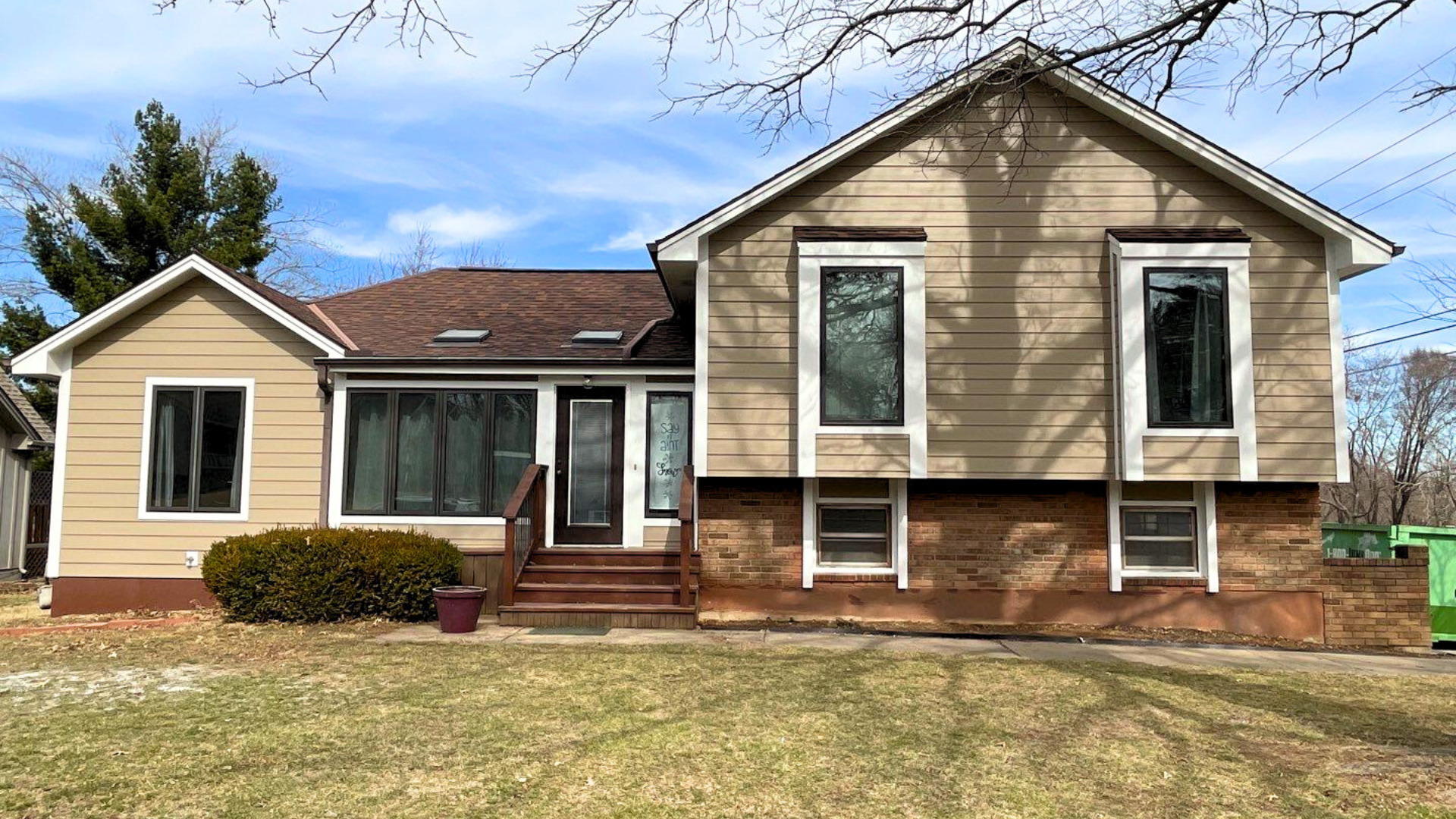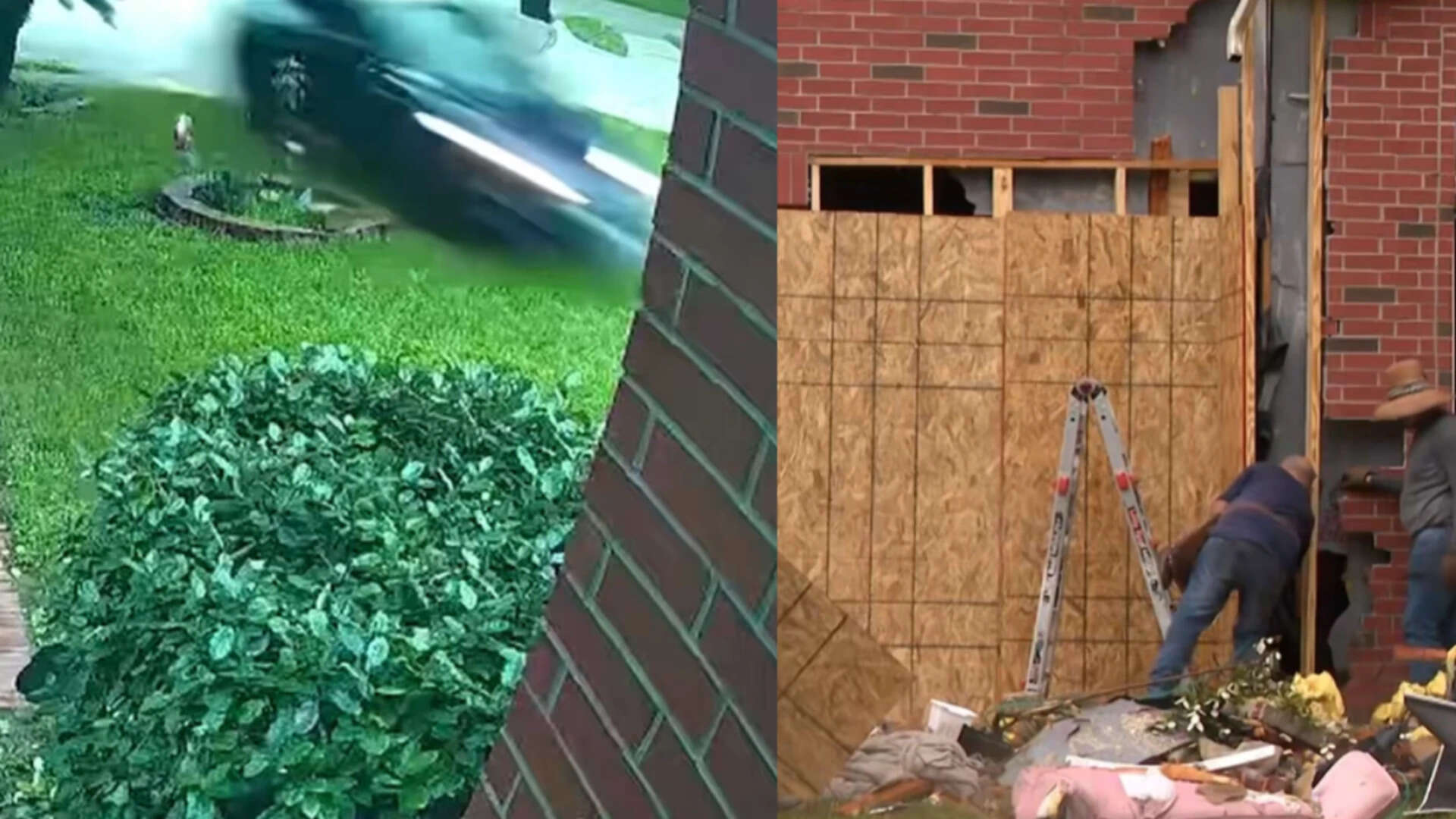
Another headline, another collective gasp from a public that loves to hate Elon Musk. A Tesla on "Autopilot" crashes into a Texas home, resulting in a tragic fatality. The media immediately rolls out the standard template: framing the car as a rogue, autonomous killer and treating the technology as a flawed experiment unleashed on innocent citizens.
It is a neat, comforting narrative. It is also entirely wrong.
The lazy consensus dominating today's tech journalism relies on a fundamental misunderstanding of what driver-assistance systems actually do. By hyper-focusing on the word "Autopilot" and treating the vehicle as the primary actor, commentators miss the real, uncomfortable reality of modern transit. The problem is not that the software is failing. The problem is that humans are fundamentally incapable of managing shared responsibility with a machine.
We are blaming the code for a failure of human psychology.
The Semantic Trap of Automation
To understand why the mainstream coverage of these crashes is so deeply flawed, we have to start with engineering definitions. The media treats "Autopilot" or even Tesla's "Full Self-Driving" (FSD) as Level 5 automation—a system requiring zero human intervention.
In reality, these are Level 2 systems.
Under the Society of Automotive Engineers (SAE) J3016 standard, Level 2 automation means the vehicle handles steering, acceleration, and braking, but the human driver must remain fully engaged, monitoring the environment at every single millisecond. It is not an autonomous system; it is advanced cruise control.
When a Tesla hits a house, it is not a "computer glitch" that caused the wreck. It is a driver who abandoned their legal and operational duties. If a driver falls asleep while using standard cruise control on a Ford F-150 and plows into a storefront, the headline reads: "Sleep-Deprived Driver Crashes Truck." When it happens in a Tesla, the machine gets top billing.
This is a massive framing error that shields reckless individuals from accountability while stoking irrational technophobia.
The Irony of Automation Psychology
I have spent over a decade analyzing how users interact with complex software interfaces, and there is an ugly truth that tech companies refuse to admit publicly: the better a driver-assist system gets, the more dangerous the human becomes.
This is known as the Irony of Automation, a concept pioneered by psychologist Lisanne Bainbridge in 1983. When a system performs 99% of a task perfectly, the human operator naturally checks out. The brain sheds cognitive load. Attention wanders to text messages, emails, or the back seat.
Imagine a scenario where you are forced to stare at a blank wall for three hours, tasked with pressing a button the exact instant a tiny red light blinks once. You will fail. Your brain cannot maintain that level of hyper-vigilance under conditions of extreme boredom.
This is exactly what we ask Tesla drivers to do. The software handles the mundane curves and speed adjustments beautifully, lulling the occupant into a false sense of security. Then, when a rare "edge case" appears—like a oddly angled house at the end of a T-intersection or a poorly marked construction barrier—the system requires human intervention within a fraction of a second.
But the human is gone. They are cognitively miles away.
The competitor articles scream for tighter regulations on Tesla's software parameters. They want sharper vision algorithms and better radar. But you cannot patch human psychology with a software update. The vulnerability in the loop is the wetware behind the wheel.
The Hypocrisy of the Data
Let's look at the actual numbers, stripped of sensationalist reporting. The National Highway Traffic Safety Administration (NHTSA) tracks vehicular fatalities with brutal precision. Over 40,000 people die on American roads every single year. The overwhelming majority of these deaths are caused by the classic hits: drunk driving, speeding, distracted texting, and simple fatigue.
Yet, a single crash involving a driver-assist system commands a week-long news cycle.
According to Tesla's safety reports—which, even when adjusted for the fact that Autopilot is used primarily on safer highway routes—indicate that vehicles operating with Autopilot engaged register significantly fewer accidents per million miles driven than the national average for standard cars. Even independent academic studies evaluating driver-assist technologies show a net reduction in high-speed rear-end collisions when active safety features are engaged.
Is the tech perfect? Absolutely not. It struggles with sudden lane merges, phantom braking, and complex construction zones. I have driven these vehicles through chaotic urban environments and felt the sudden, jarring need to take over when the system misread a turning lane. It is nerve-wracking.
But demanding perfection from a nascent technology while ignoring the catastrophic daily baseline of human error is pure hypocrisy. Humans are terrible drivers. We drink, we rage, we fall asleep, and we look at TikTok. The machine might misinterpret a camera feed, but it never drives drunk.
Dismantling the Critics
Mainstream outlets love to quote safety advocates who demand that Tesla disable these features until they are "100% safe." This argument completely misunderstands how machine learning works.
Computer vision models require massive, real-world datasets to improve. They need to analyze billions of miles of human interventions, near-misses, and diverse weather conditions to train their neural networks. If you ground the fleet, you freeze the development. You ensure the technology stays flawed forever.
The critics are essentially arguing that we should preserve a status quo where 40,000 Americans die annually under human error, rather than tolerate a fraction of that number during the messy, transitional phase of automated transit development. It is a classic manifestation of the trolley problem, driven by emotional bias rather than statistical logic. We are terrified of a machine making a fatal mistake, yet completely indifferent to our neighbors making millions of them.
Stop Treating Drivers Like Passengers
If we want to prevent cars from crashing into homes, the solution is not to ban Autopilot or force Tesla to rename its features. The solution is to treat drivers with the severity their role demands.
Aviation has used autopilots for decades. But pilots do not get to climb into the cockpit, flip a switch, and take a nap. They undergo rigorous, continuous training on automated systems management. They understand system limitations, failure modes, and the critical importance of situational awareness.
We have handed commercial-grade automation tools to civilians who barely passed a ten-minute parallel parking test when they were sixteen.
If you operate a vehicle with an active driver-assist system, you are not a passenger. You are a systems administrator. If you take your eyes off the road because you think the car is "smart enough" to handle your safety, you have violated your contract as a licensed operator.
Stop blaming the engineers in Silicon Valley for the complete lack of personal responsibility on our highways. The Texas crash is a tragedy, but the culprit did not arrive via a over-the-air software update. It was sitting in the driver's seat the entire time.
Turn off the news, put your hands back on the wheel, and pay attention.