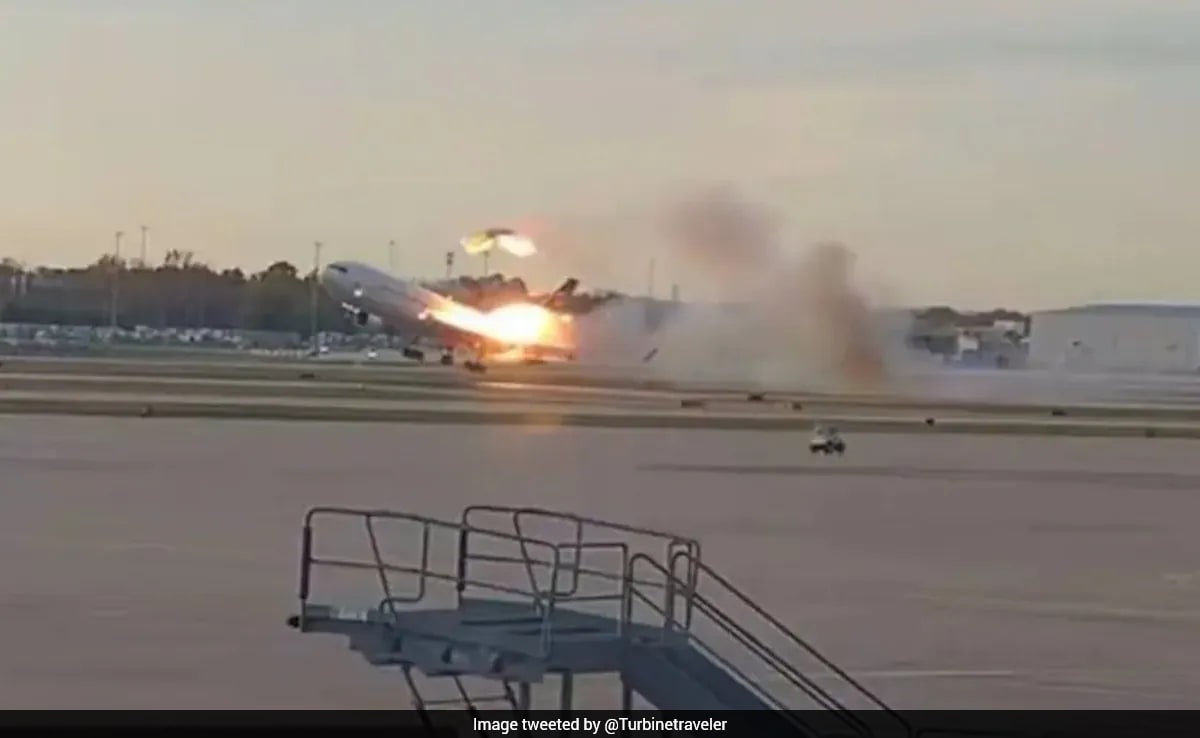
A heavy cargo jet loses an entire engine mid-flight. Seconds later, it slams into the ground. When video footage of a fatal aviation disaster hits the internet, the public reaction is instant horror. People see a massive piece of machinery rip away from a wing, a sudden loss of control, and a tragic crash that claims 15 lives. It looks like a straightforward case of mechanical failure.
It never is. If you liked this article, you should look at: this related article.
In air crash investigation, what you see on a chilling 10-second smartphone video is just the final link in a incredibly long chain of events. Aviation safety relies on redundancy. Planes are designed to fly even when things go drastically wrong. When a catastrophic engine separation occurs, the real story isn't just that the engine fell off. The real story is why the aircraft couldn't survive the loss.
The Brutal Physics of Engine Separation
When an engine tears away from a commercial or cargo jet, it doesn't just reduce the plane's thrust. It radically alters the aerodynamics and balance of the entire aircraft. For another look on this story, check out the recent update from NBC News.
Commercial jet engines hang from the wings on complex structures called pylons. These pylons are engineered with specific breakaway points, often called fuse pins. If an engine experiences a massive, catastrophic imbalance—like a severe fan blade failure—the fuse pins are designed to shear. This lets the engine fall away cleanly rather than ripping the entire wing off the airplane.
Losing an engine this way is a nightmare scenario, but pilots train for it. So why does it sometimes lead to a deadly crash?
The answer lies in what the separating engine takes with it. When an engine rips forward and down, it can strike the leading edge of the wing. It destroys crucial aerodynamic surfaces like slats and flaps. Even worse, it frequently severs hydraulic lines running through the wing.
Without hydraulic fluid, pilots lose the ability to move the control surfaces. The plane becomes a multi-ton brick. The sudden asymmetry in weight and thrust causes a violent roll. If the flight crew is low to the ground, perhaps just seconds after takeoff or during final approach, they have zero time to recover. They are fighting physics with a broken toolkit.
Why Maintenance Records Hold More Answers Than Crash Videos
A viral video shows the moment of impact. It gets millions of views. But federal investigators from agencies like the National Transportation Safety Board (NTSB) look at something much duller: paper.
Structural fatigue doesn't happen overnight. It takes years of vibration, thermal cycling, and microscopic stress. Investigators meticulously track down the maintenance history of the specific airframe. They look for history of hard landings, previous bird strikes, or deferred maintenance items.
Consider the infamous 1979 crash of American Airlines Flight 191 in Chicago. An engine separated during takeoff, killing 273 people. The public was stunned. The investigation, however, revealed that improper maintenance procedures used by the airline had cracked the pylon structure weeks before the flight. Mechanics used a forklift to remove the engine and pylon together to save time, accidentally introducing a hidden flaw that eventually failed under stress.
Modern cargo fleets face unique pressures. Many cargo jets are converted passenger airliners that have logged thousands of flight hours before their conversion. They fly heavy loads, often at night, on tight schedules. While regulations are strict across the board, the aging nature of some cargo airframes means that rigorous non-destructive testing—using ultrasound or X-rays to find hidden cracks in pylon attachments—is absolutely vital. If an airline cuts corners on these inspections, the clock starts ticking.
How Flight Crews Battle Uncontrollable Aerodynamic Failure
When a catastrophic failure happens at low altitude, the cockpit becomes a chaotic environment. Warning horns blare. Master caution lights flash red. The aircraft violently yaws and rolls toward the dead wing.
The immediate priority for the crew is maintaining airspeed. When an engine separates, it creates massive drag on that side of the airplane. If the airspeed drops too low, the wing stalls. Once a heavy jet enters an asymmetric stall at low altitude, recovery is functionally impossible.
Pilots are trained to apply max rudder to counteract the turning force and push the nose down to trade altitude for airspeed. But if the physical structure of the wing is compromised, or if the control cables and hydraulic lines are severed, no amount of pilot skill can save the aircraft. The crew becomes passengers in their own cockpit.
What Happens Next in the Investigation Log
Fixing aviation safety requires moving past the initial shock of a tragedy and focusing on systemic changes. Investigators will spend months inside a hangar, painstakingly reconstructing the recovered wreckage like a giant, charred jigsaw puzzle. They will analyze the fracture faces of the pylon attachments under electron microscopes to determine if the metal failed due to fatigue, corrosion, or sudden overload.
For the rest of the industry, the next steps are clear and urgent. Fleet operators must immediately review their inspection logs for identical aircraft models. They need to run targeted checks on engine mounts and pylon assemblies, looking for any sign of microscopic cracking. Flight training centers will update their simulator profiles to ensure crews are practiced in handling extreme asymmetric control issues. The goal is to ensure that whatever flaw caused this specific tragedy is identified and eliminated before another aircraft pushes back from the gate.


