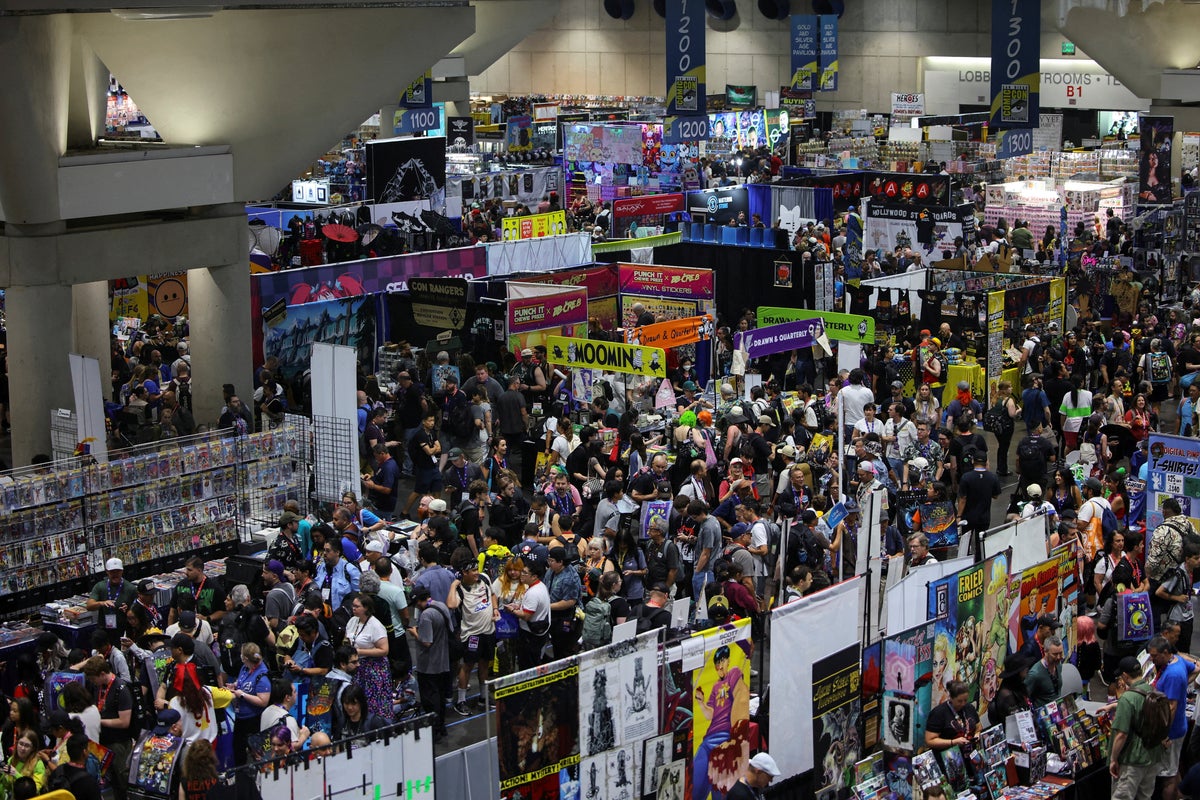
Massive conventions draw crowds numbering in the hundreds of thousands, transforming convention centers into temporary cities of pop culture fandom, cosplay, and commerce. Beneath the flashing lights of celebrity panels and the sprawling exhibition halls, a darker reality operates in plain sight. Law enforcement agencies recently executed a massive human trafficking sting during a major Comic Con event, recovering nine victims of modern-day slavery and executing twenty-seven arrests. This operation exposes a grim vulnerability within the entertainment industry's premier gatherings. Predators routinely exploit the chaos of massive crowds, the anonymity of thousands of out-of-town visitors, and the massive influx of transient labor to traffic individuals for labor and commercial sex.
The Anatomy of Convention Exploitation
Organizers celebrate these massive conventions for their economic impact, pumping tens of millions of dollars into local hospitality, dining, and retail sectors. That exact financial engine creates the environment criminal networks require to operate with impunity. Thousands of hotels, short-term rentals, bars, and restaurants experience extreme staff shortages during convention weeks. Managers scramble to fill shifts, often bypassing rigorous vetting protocols or relying on informal subcontracting networks. Traffickers slip workers into these temporary staffing pipelines, embedding victims in hotel rooms and service jobs blocks away from the convention center.
The sheer volume of human movement provides perfect cover. When fifty thousand people pour into a downtown core wearing elaborate disguises, face paint, and masks, anonymity becomes absolute. A victim walking alongside an abuser blends seamlessly into a sea of attendees dressed as superheroes, fantasy characters, and cinematic icons. Surveillance systems are overwhelmed by the density of the crowds. Security personnel focus primarily on ticket verification, crowd control, and asset protection inside the perimeter, leaving the surrounding hotel districts and transit hubs vulnerable to predators.
Law enforcement task forces understand this dynamic well. Human trafficking rings frequently target major pop culture events, sporting championships, and music festivals because the transient nature of the crowds disrupts normal community surveillance patterns. Neighbors do not know each other. Front desk workers process hundreds of check-ins a day. Ride-share drivers and food delivery couriers cycle through properties constantly. Criminal enterprises treat convention schedules like a touring circuit, moving victims from city to city as different fandoms gather for their annual weekend of celebration.
The Mechanics of the San Diego Operation
The specific details emerging from law enforcement agencies regarding the Comic Con sting highlight the sophisticated coordination required by modern trafficking operations. Authorities utilized a multi-agency task force comprising local police, federal investigators, and specialized victim-services advocates. They targeted online classified platforms where traffickers advertise commercial sex services specifically timed to coincide with major convention weekend surges.
Investigators monitored digital footprints, tracked cryptocurrency payments, and deployed undercover operatives to secure rooms in hotels heavily booked by convention-goers. The nine individuals rescued ranged in age and background, but shared common markers of coercion, debt bondage, and restricted freedom of movement. Many had their identification documents confiscated by their handlers. Some were trapped by severe drug dependencies engineered by their captors to ensure compliance.
The twenty-seven arrests spanned various levels of the criminal hierarchy. Street-level enforcers, online coordinators, and motel managers who knowingly rented rooms for illicit activities all faced charges. Local prosecutors noted that proving human trafficking rather than traditional prostitution requires demonstrating force, fraud, or coercion. That evidentiary burden demands extensive digital forensics, financial tracking, and victim testimony gathered in safe environments.
Why Fandom Spaces Fail to Protect the Vulnerable
Pop culture conventions foster an intense culture of inclusivity, acceptance, and community. Attendees pride themselves on creating safe spaces for marginalized identities, creative expression, and shared passions. That cultural ethos creates a dangerous blind spot. Organizers and attendees operate under the assumption that a convention center filled with comic book fans is inherently benevolent. They drop their guard. They fail to recognize that malicious actors weaponize that exact atmosphere of trust and uncritical acceptance.
Corporate sponsors and event promoters pour millions into experiential marketing, VIP lounges, and celebrity autograph lines. Security budgets scale heavily around high-profile talent and crowd control to prevent stampedes or property damage. Counter-trafficking security infrastructure rarely matches that financial commitment. While convention centers boast advanced closed-circuit television systems and private security teams, their operational jurisdiction usually stops at the property line. The surrounding hotels, parking structures, and entertainment districts fall under municipal police departments already stretched thin by the massive influx of visitors.
Furthermore, conventiongoers themselves lack training to spot the subtle indicators of human trafficking. Most people look for cinematic tropes, such as someone physically chained to a radiator or screaming for help in a crowded hallway. Real-world trafficking is far more mundane and psychological. It manifests as a young person who seems disconnected from their surroundings, lacks control over their own money or phone, avoids direct eye contact, or is accompanied by an older companion who answers every question on their behalf. In an environment defined by intense performance, roleplay, and theatricality, these behavioral cues are easily dismissed as eccentricities or exhaustion.
The Hospitality Industry Complicity
Hotels form the critical infrastructure of any major convention. Without thousands of rooms within walking distance, these events cannot function. Yet the hospitality sector maintains a historically uneven record regarding human trafficking prevention. While major hotel chains have adopted corporate training programs like AHLA’s Safe Stay initiative, enforcement at the franchise and independent property level varies wildly.
Front desk clerks, housekeeping staff, and maintenance workers possess the greatest opportunity to observe trafficking activity. They notice patterns that casual observers miss. A room that never requests housekeeping services for a week, excessive foot traffic of unrelated individuals visiting a single room at all hours, or a guest who appears fearful and malnourished should trigger immediate internal protocols. However, high turnover rates among hospitality staff mean that many workers receive zero training on how to identify these warning signs safely.
Property owners often prioritize occupancy rates and revenue over security interventions. During a major convention week, room rates skyrocket to three or four times their normal baseline. The financial incentive to look the other way proves powerful for unscrupulous operators of budget motels and extended-stay properties located on the periphery of the convention zone. These locations become hotspots for commercial sex trafficking because management avoids asking intrusive questions that might disrupt lucrative cash flow.
Dismantling the Convention Circuit
Targeting the symptoms of trafficking during a high-profile weekend through stings and arrests represents a necessary tactical response, but it fails to disrupt the underlying business model. Law enforcement operations must evolve from reactive enforcement to proactive disruption.
Event organizers must integrate human trafficking intelligence units into their advance planning teams months before the convention doors open. This means collaborating with federal agencies to map known trafficking networks operating in the host city, vetting all contracted third-party vendors and temporary staffing agencies, and funding dedicated, trained crisis advocates on-site during the event.
Hotels within a five-mile radius of convention centers should face mandatory liability standards regarding staff trafficking awareness training. Failing to implement baseline reporting mechanisms should result in severe operating penalties. Cities that actively court massive tourism events must condition their municipal event permits on verified security partnerships between promoters, hoteliers, and anti-trafficking non-governmental organizations.
The glamour of the exhibition floor, the electric energy of the masquerade ball, and the joy of community must not blind the public to the human cost hidden in the shadows of the event footprint. Protecting the vulnerable requires moving past performative awareness campaigns and building rigid, unyielding accountability structures across the entire convention ecosystem. The next time thousands gather to celebrate their favorite stories, the real-world safety of the surrounding streets must match the fantasy built inside the hall.