One hundred and fifty-eight years and nine months behind bars. That's what a judge in Ensenada handed down to each of the three men convicted in the April 2024 killings of Australian brothers Callum and Jake Robinson and their American friend Jack Carter Rhoad.
For families who spent more than two years waiting for accountability, the October 16, 2026 ruling in Baja California finally brought a formal verdict in a case that rattled surfers from Perth to San Diego. Yet a prison term on paper doesn't automatically erase what happened on a remote stretch of coast near Punta San José, nor does it magically fix the safety blind spots that catch overland travelers off guard. Don't miss our previous article on this related article.
I've spent years following surf travel across Baja and talking with locals, border crossers, and tour operators who live along Highway 1. The truth is uncomfortable: remote point breaks and empty beaches are the whole appeal of Baja, and that exact isolation is what makes poor planning so risky.
What Happened on the Coast and in Court
The facts laid out by prosecutors in Baja California are stark. Callum Robinson, 33, Jake Robinson, 30, and Carter Rhoad, 30, had been in Mexico for roughly 36 hours after crossing from the United States when they camped near Punta San José, south of Ensenada, on April 27, 2024. According to state authorities, attackers moved in to steal tires and parts from the travelers' pickup truck. When the three men resisted, they were shot in the head with 9mm and .45-caliber handguns, their tents were burned, and their bodies were dropped into a board-covered, 50-foot well near Santo Tomás, where investigators also found a fourth, older body. To read more about the history of this, The New York Times offers an in-depth summary.
Judge Raul Hernandez ruled that the three defendants—identified in court records as Jesus Gerardo (known as "El Kekas"), Irineo Francisco, and Angel Jesus—acted with premeditation, convicting them of murder, robbery with violence, and violent vehicle theft. Each received 158 years and nine months in prison. Earlier, in November 2025, a woman linked to the robbery, Ary Gisell Silva Raya, pleaded guilty in an abbreviated trial and received a 20-year sentence.
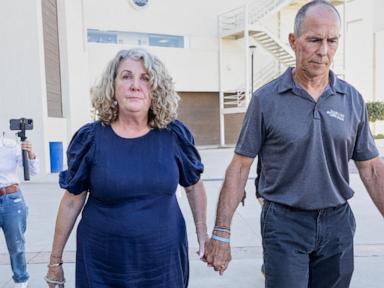
"There can never be justice for the loss of a son, but we are grateful that these men will never hurt anyone else," Carter Rhoad's mother, Page, said following the verdict, while Callum and Jake's parents, Martin and Debra Robinson, traveled from Australia for the trial and launched the Callum and Jake Robinson Foundation in their sons' honor.
Watching the Robinsons sit through the proceedings in Ensenada highlights how heavy this case has been. Martin Robinson told the court how hard it is to lose one son, let alone two, while Debra Robinson spoke of the cruelty her sons faced in their final hours. For the families, the sentence stops short of full closure on every front—the judge rejected a request for monetary damages during the criminal sentencing, noting that civil compensation requires separate proceedings, and possible appeals remain part of Mexico's legal process.
Why Petty Theft Turns Lethal in Remote Spots
People outside the surf world often assume violent crime in Mexico is strictly a cartel-on-cartel war. Honestly, that's a lazy assumption.
In places like rural Baja California, opportunistic crime against travelers frequently starts over something mundane: tires, batteries, tools, camping gear, or a truck itself. Prosecutors alleged that the attackers wanted tires off the surfers' pickup truck. When a confrontation happens miles from cell service, paved roads, or backup, a simple property crime can spiral in seconds.
There's also a pattern of foreign surfers facing deadly attacks along Mexico's Pacific coast over the past decade. In 2015, Australian surfers Dean Lucas and Adam Coleman were murdered while traveling through Sinaloa, a tragedy that forced many road-trippers to rethink how they move down the peninsula. Following the 2024 killings, local surf leaders told reporters that visits around Ensenada dropped noticeably, and the U.S. State Department continued to urge Americans to reconsider travel to Baja California due to crime and kidnapping risks.
At the same time, painting every beach in Baja with the same brush isn't accurate either. Thousands of surfers cross the border every month and have uneventful, memorable trips. Risk isn't uniform across the state—it shifts based on time of day, isolation, local relationships, and how exposed your camp or vehicle is.
Common Mistakes Surfers Make on Baja Road Trips
When you're chasing uncrowded swells, it's easy to let stoke override common sense. I've seen experienced travelers make the same avoidable errors time and again.
- Camping completely alone off dirt spurs: Sleeping miles off the main highway with no neighbors, caretakers, or established camp structure removes your margin for error if someone rolls up at night.
- Leaving high-value gear and trucks unguarded: Trucks with lifted suspensions, good tires, surfboards, and solar setups stand out immediately. Leaving everything visible overnight invites trouble.
- Driving unfamiliar rural tracks after dark: Flat tires, getting stuck in soft sand or ruts, or taking a wrong turn after sunset turns a minor hassle into a vulnerable situation.
- Assuming everyone on the coast is a fellow surfer: Hospitality in Baja is real, and many locals are welcoming, yet you can't treat every stranger approaching your camp at dusk like a line-up buddy.
- Skipping check-ins and satellite comms: Relying purely on regular cell coverage south of major towns is a gamble. Out here, a simple check-in schedule with friends back home matters.
Practical Ways to Protect Yourself on Future Trips
A 158-year sentence sends a clear message from the courtroom in Ensenada, but personal safety still comes down to smart habits on the ground. If you're planning a surf trip to Baja California or any remote coastline, take concrete steps before you pack your boards.
- Check official advisories and local conditions first: Review current guidance from the U.S. State Department or Smartraveller alongside recent reports from trusted local surfers and operators rather than relying on outdated forum posts.
- Choose guarded campgrounds or established surf camps: Pay for sites with on-site management, gates, or a community of other travelers when staying overnight, especially near isolated point breaks.
- Keep a low profile and travel during daylight: Avoid flashy gear, keep valuables out of sight, and time your driving so you're parked and settled well before nightfall.
- Carry reliable off-grid communication and share your route: Bring a satellite communicator or emergency beacon, leave a clear itinerary with someone you trust, and never resist an armed robbery over material belongings.
Real accountability in court matters deeply to the families of Callum Robinson, Jake Robinson, and Carter Rhoad. For the rest of us who love chasing waves down wild coastlines, honoring their memory means respecting the environment and making sure our own trip plans never treat remote terrain like a backyard beach.