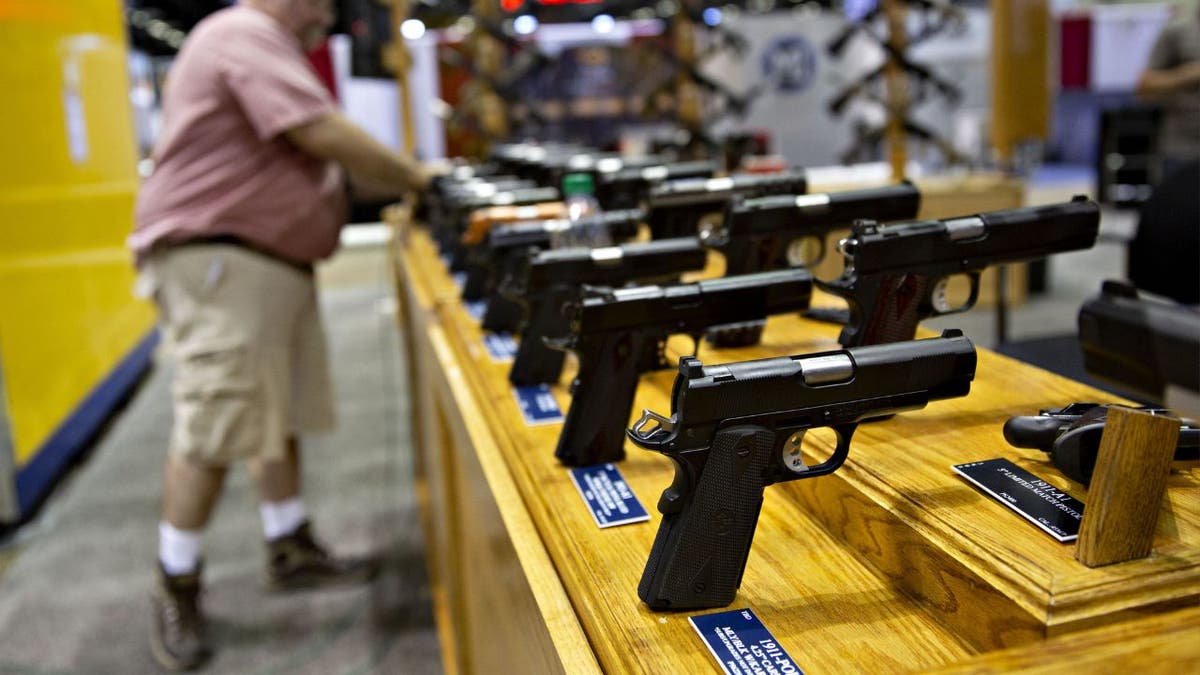
Walk through Bangkok's historic Wang Burapha district, and you will notice something has fundamentally changed. For decades, this neighborhood served as the beating heart of Thailand's legal firearm trade. Today, display cases that once held imported pistols and rifles sit empty. At some legendary storefronts, like the seventy-year-old Suchart and Friends shop, the metal shelves now display fresh loaves of sourdough bread instead of ammunition.
Thailand's government is once again tightening the screws on gun ownership following a tragic school shooting. Prime Minister Anutin Charnvirakul’s administration suspended the issuance of new firearm purchasing and ownership permits, aiming to pull weapons out of public circulation. Yet licensed dealers inside the capital argue that punishing law-abiding buyers and legal merchants will do nothing to stop real criminals. For an alternative perspective, read: this related article.
The Reality of Thailand's Civilian Arsenal
To understand why a crackdown triggers such fierce pushback, look at the numbers. According to historical estimates from the Small Arms Survey, civilian gun ownership in Thailand hovers around 10.3 million firearms—roughly 15 guns per 100 residents. That ranks among the highest civilian firearm densities in Asia.
Despite these high figures, Thailand already maintains strict statutory requirements for licensing. Acquiring a legal firearm demands background checks, justification for self-defense or sport, and strict administrative approvals. However, enforcement gaps and a sprawling black market create a parallel reality where unlicensed weapons circulate freely. Further coverage on this matter has been published by The New York Times.
When high-profile tragedies happen—such as recent mass shootings near Bangkok—politicians face intense public pressure to act quickly. The easiest lever to pull is always the legal market. Suspending import permits and freezing new licenses looks decisive on television, but it ignores where violent offenders actually source their weapons.
Why Licensed Merchants Are Baking Bread Instead of Selling Pistols
The suspension of import permits didn't start yesterday. Authorities halted firearm imports following an earlier mall shooting in Bangkok. For businesses that generated an industry worth roughly 2 billion baht annually, the prolonged freeze proved catastrophic.
Store owners faced a stark choice: shut down permanently or pivot. Warintorn Boonyachai, managing the historic shop after her husband fell ill, decided to train her staff in baking. Sourdough loaves now sell out rapidly. But even as the bakery keeps the lights on, she continues renewing her commercial gun licenses annually. Selling firearms is less exhausting than baking, and she holds onto the hope that legal imports will return.
Other merchants aren't as optimistic. Thititorn Bupparamanee, president of the Firearms Traders Association of Thailand, points out that the government is looking in the wrong direction. Choking off legal retail channels does not disarm bad actors. Instead, experts warn it forces frustrated buyers into illicit underground networks, boosting demand for smuggled gear that evades state oversight entirely.
What Policymakers Keep Missing
Real safety reform requires tackling illicit trafficking networks at the borders rather than shutting down generational businesses in downtown Bangkok. When regulations target licensed shops that track serial numbers and report to authorities, the underground economy wins.
True reform demands rigorous tracking of existing illegal stockpiles, stronger border interdiction against smuggled contraband, and mental health interventions rather than administrative bans on paper-compliant citizens. Until authorities target the black market directly, Bangkok's historic gun district will remain a symbol of misdirected policy—where legitimate commerce dies while illegal weapons remain available.
Thailand's Gun Crackdown Leaves Historic Bangkok Firearms Shops Facing An Uncertain Future
This video provides an on-the-ground look at Bangkok's historic gun district and shows how licensed shop owners are adapting to government restrictions by pivoting their businesses.


