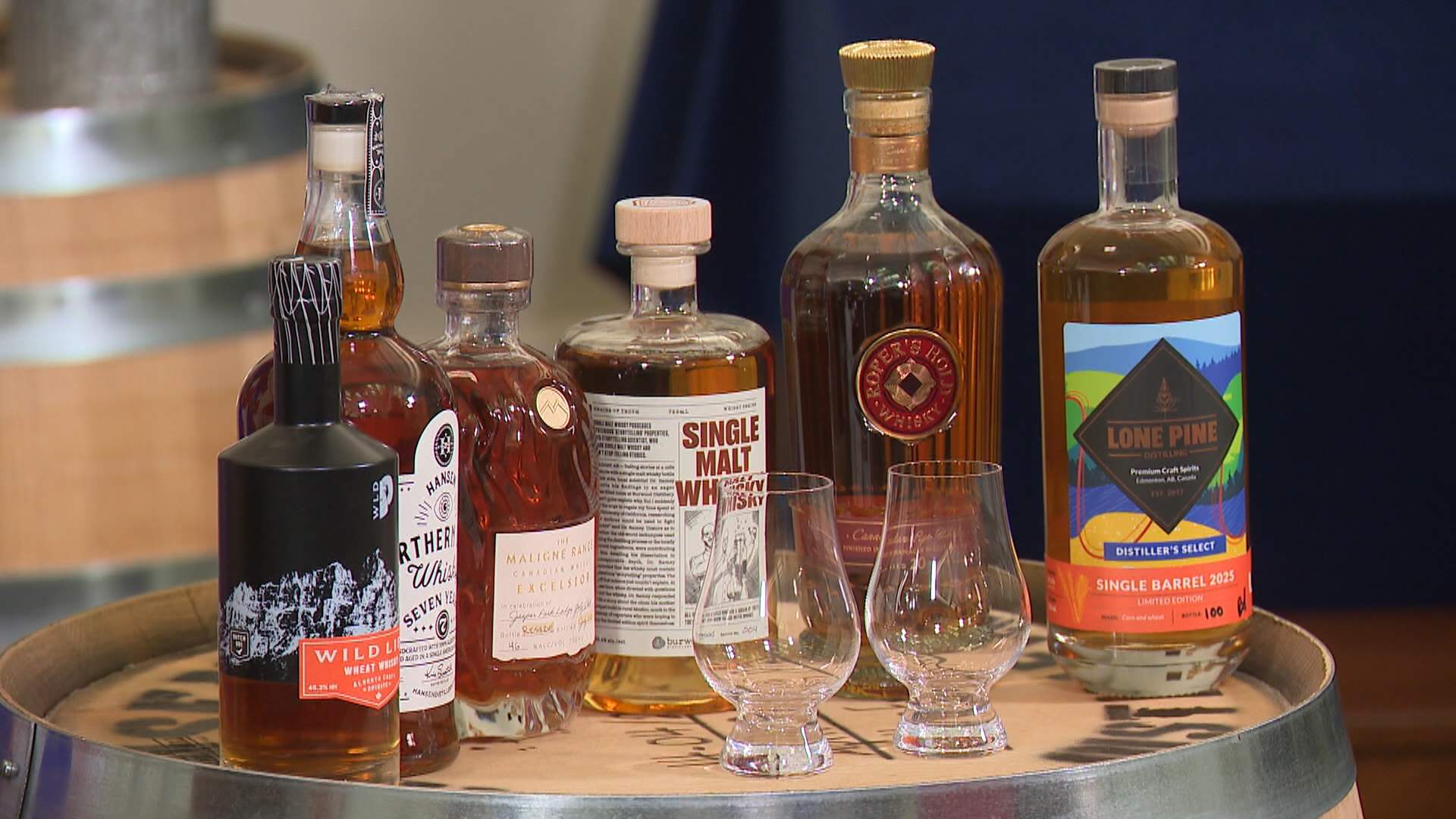
Alberta is finally drawing a line in the grain. The provincial government recently tabled the Alberta Whisky Act, a piece of legislation designed to do for the Wild Rose Country what the Appellation d’Origine Contrôlée did for Champagne. For decades, "Rye" has been a loose, almost lawless term in the Canadian spirits trade. This new bill aims to change that by codifying exactly what can carry the "Alberta Whisky" name, requiring the spirit to be mashed, distilled, and aged for at least three years within provincial borders using local grains.
It is a move long overdue. While Scotland and Kentucky have guarded their liquid assets with iron-clad legal frameworks, Canada has operated under "The 9.09% Rule"—a bizarre regulatory quirk that allows distillers to add non-whisky fluids to their blends while still calling it Canadian Whisky. By stripping away the ambiguity, Alberta is betting that authenticity will sell better than mass-market efficiency.
The End of the Wild West Spirits Era
The global spirits market does not reward vagueness. It rewards geography. When a consumer buys a bottle of Bourbon, they know exactly what the grain bill looks like and where the barrel sat. For too long, Alberta has been the world’s silent engine of whisky production, shipping massive quantities of high-quality rye across the border to be bottled and rebranded by American labels. We have been selling the crude oil of the spirits world while others reap the refined profits.
The new legislation ends this anonymity. To wear the provincial seal, a distiller must adhere to a strict set of standards that prioritize local sourcing. This is not just about pride; it is about intellectual property. By creating a protected designation, Alberta is attempting to claw back the value-add that has been leaking out of the province for half a century.
The stakes are higher than a simple label change. Currently, the Canadian spirits industry is a complex web of industrial-scale production and "craft" pretenders. Some "local" brands are little more than marketing firms that buy bulk neutral grain spirit, dump it into a barrel for a few months, and slap a picture of a mountain on the front. The Alberta Whisky Act threatens to expose these shortcut artists.
Cracking the 9.09 Percent Loophole
To understand why this legislation matters, you have to look at the "9.09% Rule." Under federal Canadian law, distillers can add up to 9.09% of other substances—including wine, fruit juices, or foreign spirits—to a blend and still market it as Canadian Whisky. Originally intended to help Canadian brands compete in the American market by allowing the addition of small amounts of Sherry or Bourbon, it has become a point of contention for purists.
Alberta’s new standards push back against this dilution of identity. While the federal rules still apply for general "Canadian Whisky," the "Alberta Whisky" designation will be the gold standard for those who want a clean product. This creates a two-tiered system. On one side, you have the industrial blends destined for bottom-shelf mixers. On the other, you have a premiumized, terroir-driven product that can stand toe-to-toe with a single malt from Islay.
The Economics of the Grain Bill
Alberta produces some of the best rye in the world. The cold winters and hot summers create a unique aging environment that forces the spirit in and out of the wood at a pace that creates deep, spicy profiles. Under the new rules, the link between the farmer and the bottle becomes a legal requirement.
- Sourcing: Grains must be grown in Alberta to qualify for the premium designation.
- Production: All fermentation and distillation must happen within the province.
- Aging: The "Angel’s Share" must be paid to the Alberta atmosphere for no less than three years.
This creates a localized circular economy. When a distillery in High River or Turner Valley buys grain from a neighbor, the money stays in the community. More importantly, it creates a "story" that can be sold in London, Tokyo, and New York. In the modern spirits market, you don't just sell a drink; you sell a map.
The Resistance from Big Liquor
Not everyone is raising a glass to this news. The large-scale players who have spent decades perfecting the art of the "multi-province blend" see this as a logistical headache. If a major brand uses Alberta rye but blends it with corn spirit from Ontario and bottles it in Quebec, they are locked out of the new designation.
These companies argue that the consumer doesn't care about provincial boundaries. They are wrong. The rise of the "craft" movement has proven that transparency is a currency. People want to know that the rye in their glass didn't travel 3,000 kilometers in a rail car before it was bottled. The tension here is between the industrial efficiency of the old guard and the geographic integrity of the new wave.
Why Quality Control is a Survival Tactic
The global whisky market is currently facing a glut. There is too much mediocre liquid sitting in warehouses. When supply outstrips demand, the only way to survive is to move upmarket. If Alberta remains a bulk supplier, it will be crushed by lower-cost producers in emerging markets. If it becomes a "region" like Speyside or Cognac, it becomes irreplaceable.
The legislation also addresses the "Bottled In" problem. For years, Alberta’s finest juice has been exported in bulk tankers to the United States, where it is diluted with water, bottled, and sold at a 400% markup as "American Rye." By mandating that Alberta Whisky must be produced and aged here, the government is forcing the high-paying jobs—bottling, labeling, marketing, and distribution—to stay home.
The Myth of the Rye Monopoly
There is a common misconception that all Canadian whisky is rye. In reality, much of it is made from corn. The new Alberta standards provide a clear framework for distinguishing between the two. While the legislation doesn't outlaw corn-based spirits, it provides a much-needed spotlight for the spicy, aggressive rye that put the province on the map.
We are seeing a shift in the power dynamic of the distillery floor. The master blender, once the person who could hide flaws with the 9.09% rule, is being replaced in importance by the master distiller. You cannot hide behind additives when the label demands a pure expression of the grain. This forces a return to fundamentals: water quality, yeast strains, and the quality of the oak.
The Hard Truth About Implementation
Passing a bill is easy. Enforcing a brand is hard. The Alberta government will need to establish a rigorous inspection and certification process to ensure that the "Alberta Whisky" seal isn't just another sticker. This requires a level of bureaucratic oversight that the industry hasn't seen before.
There is also the risk of alienating existing brands. If a legendary Alberta distillery doesn't meet one small technicality of the new law, do they lose their heritage? There will be a messy transition period where lawyers and lobbyists fight over the fine print of what constitutes "local."
Redefining the Canadian Cabinet
For too long, Canadian whisky has been the "brown vodka" of the spirits world—smooth, inoffensive, and largely forgettable. This legislation is a blunt instrument designed to shatter that perception. It tells the world that Alberta is tired of being the silent partner in the global liquor trade.
The move mirrors what we've seen in the wine world with VQA standards. At first, there was skepticism. People asked if Ontario or BC really needed such strict rules. Decades later, those standards are the only reason Canadian wine is taken seriously on the international stage.
Alberta is finally playing the long game. By codifying its whisky, it is protecting its future from the volatility of bulk commodity pricing. This is an assertion of cultural and economic sovereignty. The era of the "unlabeled" Alberta spirit is ending, and the era of the "designated" powerhouse is beginning.
Distillers who have been cutting corners should be nervous. Those who have been investing in local grain and long-term aging are about to see their assets appreciate overnight. The bottle on your shelf is no longer just a commodity; it is a legal testament to a specific place and a specific process.
Stop treating whisky like a grocery item and start treating it like a protected resource.