When you grab a pack of steaks from the grocery store, you aren't exactly thinking about debt bondage or cattle laundered through the Amazon. But maybe you should. On April 29, 2026, Brazilian labor prosecutors finally stopped playing nice with JBS, the world's largest meatpacking company. They’ve filed a massive lawsuit in the state of Pará, accusing the giant of buying cattle from farms that treated workers like property.
We’re talking about slavery-like conditions. In Brazil, that isn't just a hyperbolic phrase; it’s a specific legal classification for people worked to the bone, trapped by "debts" they can’t pay, and living in squalor. The lawsuit isn't just a slap on the wrist. Prosecutors want 119 million reais (about $24 million) in compensation. If you liked this article, you might want to read: this related article.
The Numbers That Should Make You Squirm
It’s easy to dismiss this as a one-off error in a massive supply chain. It isn't. The filing outlines a pattern of negligence that stretches back over a decade. Between 2014 and 2025, at least 53 workers were rescued from properties owned by seven different ranchers who supplied JBS.
These weren't hidden, underground operations. These employers were already on Brazil’s official "Dirty List"—a public registry of companies caught using forced labor. If the government could find them, a multi-billion dollar corporation with supposedly "state-of-the-art" monitoring should’ve seen them too. For another perspective on this event, check out the recent update from Business Insider.
- 20% of global beef comes from Brazil.
- 53 rescues linked directly to JBS suppliers in this specific suit.
- $24 million is the price tag prosecutors put on the negligence.
Why Your Steak Is Linked to the Amazon
If you've been following the news, you know JBS is a constant target for environmentalists. There's a reason the lawsuit was filed in Pará. This region is the heart of the Amazon, and in this part of the world, human rights abuses and environmental destruction are two sides of the same coin.
Ranchers often use forced labor to clear dense rainforest. It’s cheap, it’s brutal, and it’s effective. When prosecutors say JBS has a "systematic pattern of negligence," they're pointing to the fact that the company keeps buying from the same bad actors. They buy the cows, the forest disappears, and the workers get trapped in a cycle of abuse.
JBS usually responds with talk about their "Green Offices" and "zero tolerance policies." But if those policies worked, we wouldn't see the same names from the 2014 Dirty List showing up in a 2026 lawsuit.
The Dirty List and Ministerial Games
Here’s the part that really gets me. Last year, there was a massive scandal involving Brazil’s Labor Minister, Luiz Marinho. He reportedly used an obscure 1943 legal trick called avocação to scrub several forced labor investigations from the records.
Basically, the workers were rescued, the evidence was there, but the minister personally stepped in to make sure the companies didn't end up on the Dirty List. One of the companies protected? A poultry subsidiary of JBS.
When the government starts acting like a shield for the biggest players in the industry, "transparency" becomes a joke. It’s why this new lawsuit from independent prosecutors is so vital. They’re bypasssing the political theater to hold the money accountable.
What Most People Get Wrong About Supply Chains
You’ll hear JBS and other meat giants talk about "indirect suppliers." They’ll say, "We check the farm we buy from, but we can't see where that farmer got his calves."
That's a convenient excuse. In 2026, with satellite tracking, blockchain, and mandatory cattle transit permits, it's totally possible to see the whole chain. The "complexity" they complain about is often just a veil for plausible deniability. If a rancher on the Dirty List sells his "dirty" cows to a "clean" middleman ranch, and then JBS buys from the middleman, the beef is "laundered."
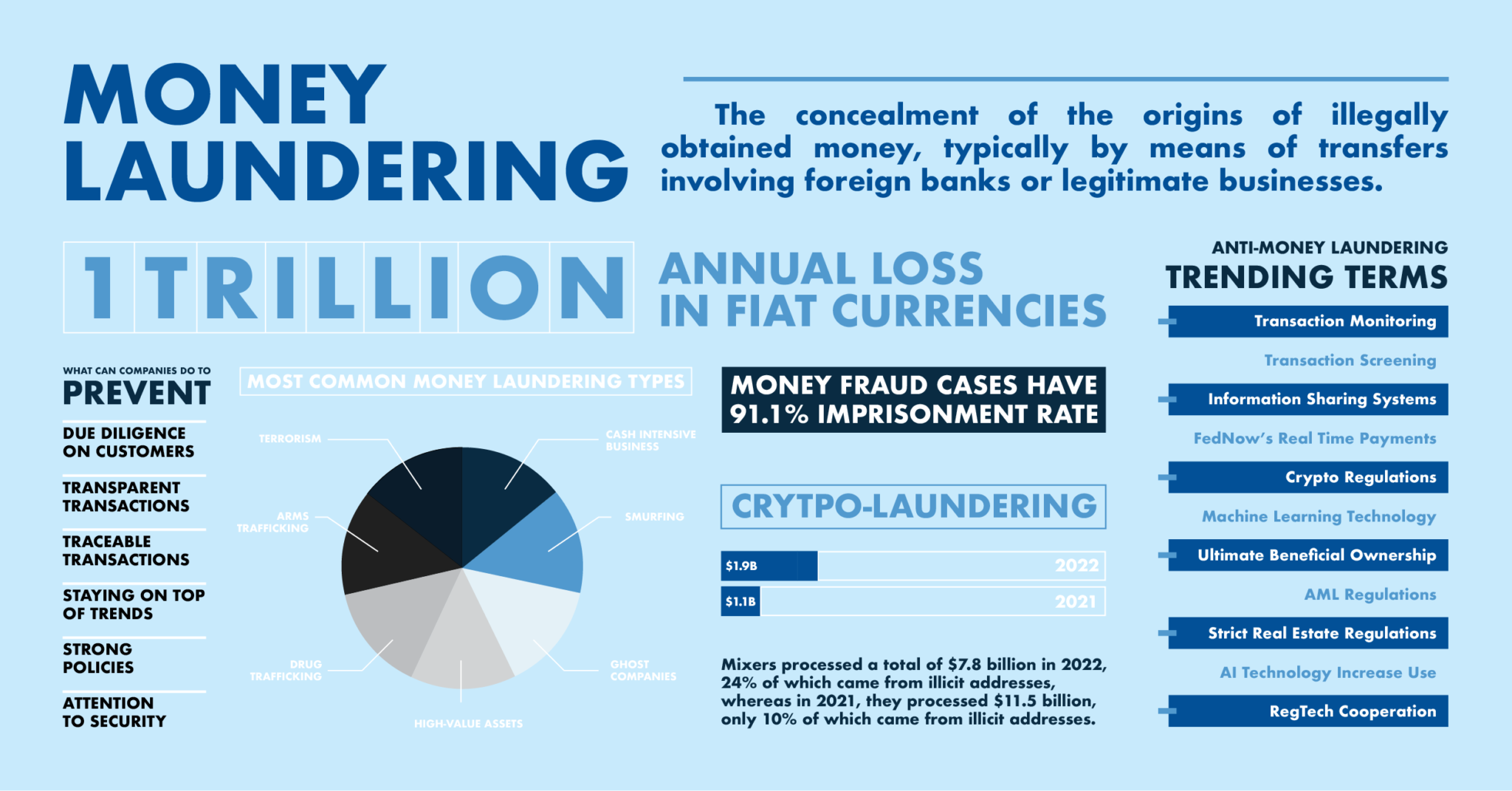
It’s the same logic as money laundering, just with livestock.
How to Actually Vote With Your Wallet
If you’re tired of being an accidental financier of modern slavery, you can’t rely on the labels on the box. "Product of the USA" often just means the meat was processed here, even if the cow was raised in Pará.
- Check the sourcing: Look for specific certifications like Global Animal Partnership (GAP) or Regenerative Organic Certified. These require much more rigorous third-party auditing than standard industry labels.
- Support local: It’s the oldest advice in the book because it works. Buying from a local rancher means you’re skipping the global meat machine entirely.
- Use the tools: Projects like Brazil Big Beef Watch use satellite data and public records to tweet out whenever JBS-linked farms are caught deforesting. Following these trackers gives you a real-time look at what’s actually happening on the ground.
This lawsuit is a huge test for the Brazilian legal system. If JBS can just pay a fine and move on, nothing changes. But if the court forces a real overhaul of how they vet their suppliers, it might finally break the link between your dinner and the destruction of the Amazon.
Don't wait for the court's verdict to change your habits. Start asking where your beef actually comes from. If the company selling it to you can't give a straight answer, you already have your answer.