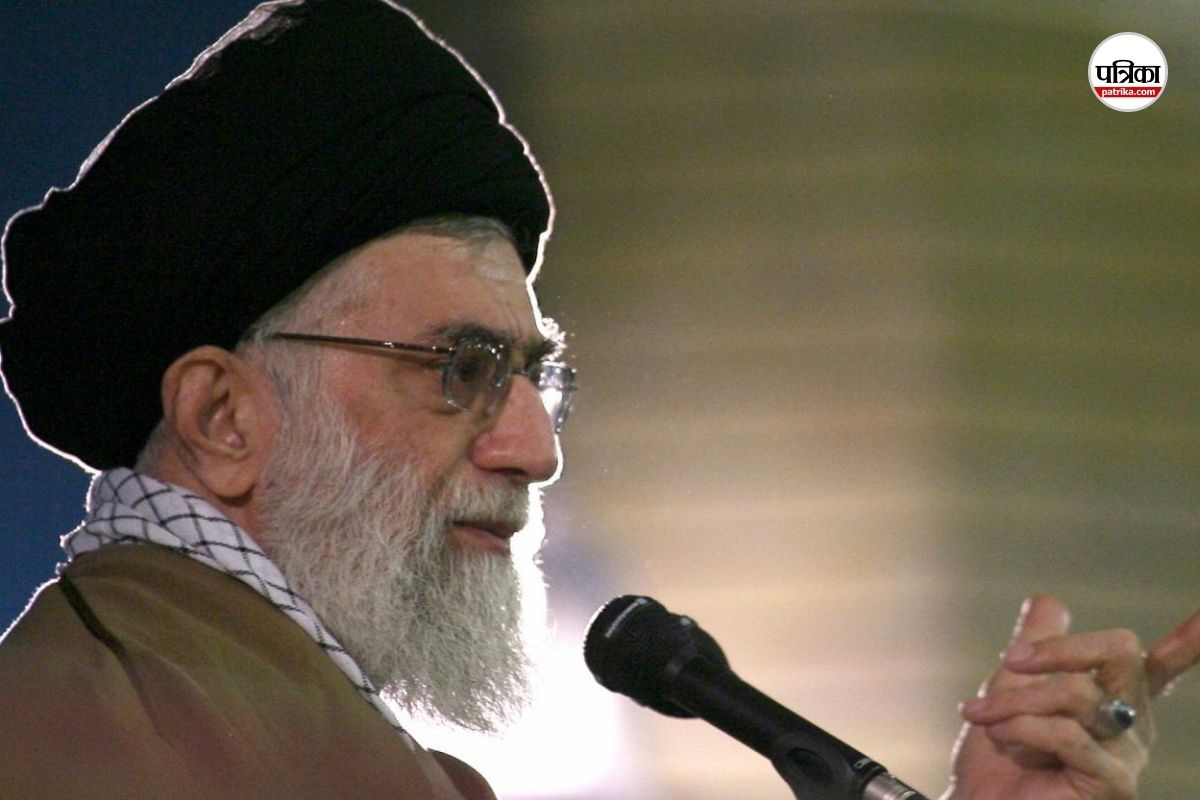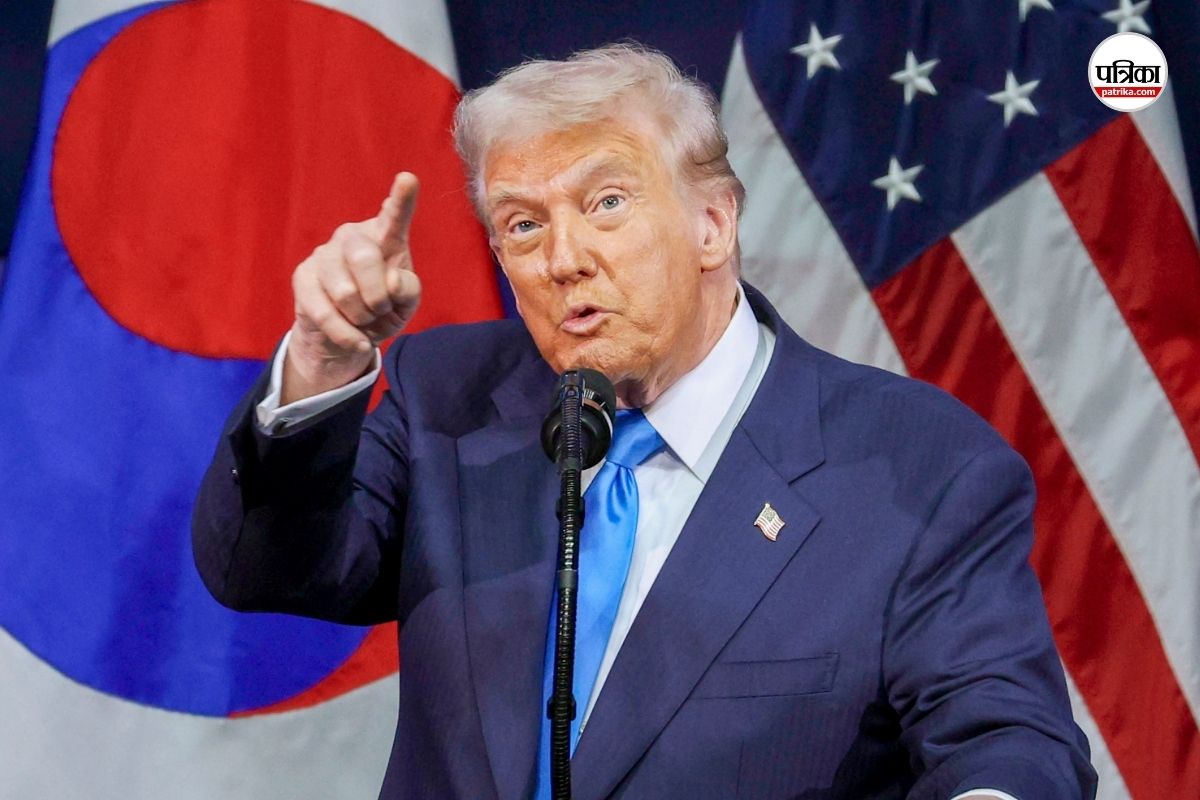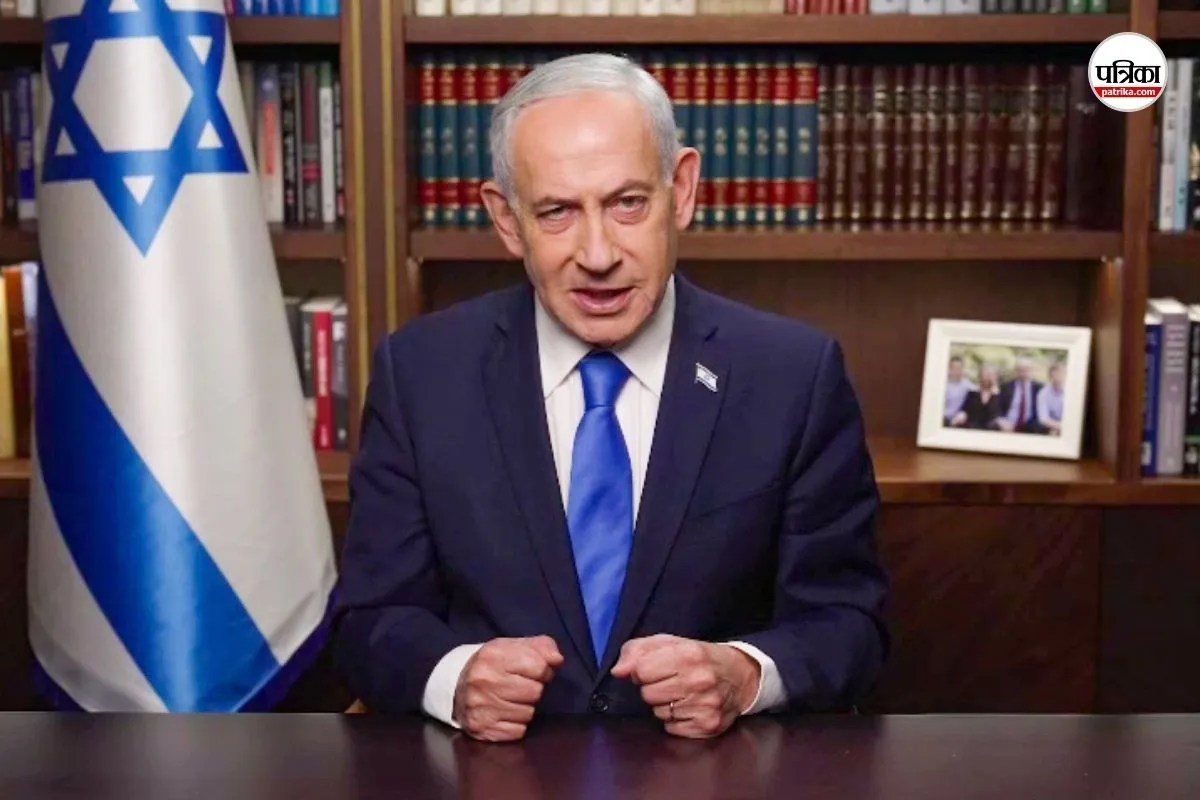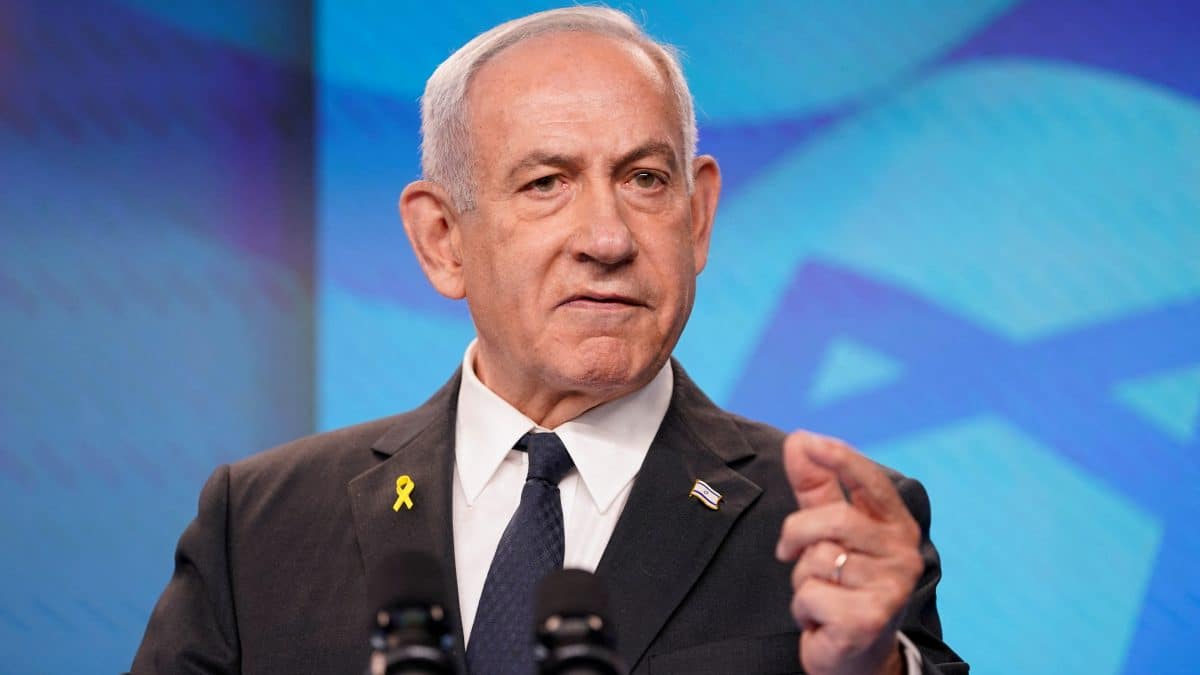
Geopolitics is not a Disney movie. You do not simply "urge" a population to overthrow a surveillance state and expect a democracy to sprout by Tuesday. When Benjamin Netanyahu tells the Iranian people that this is a "once-in-a-generation" chance to topple the Islamic Republic, he isn’t speaking to the streets of Tehran. He is speaking to a domestic base in Israel and a sympathetic audience in Washington.
The premise that a foreign leader—specifically one viewed as a primary antagonist—can spark a grassroots uprising through a video message ignores every fundamental rule of internal power dynamics. Revolutions are bought with local blood and sustained by internal institutional collapse. They are almost never ignited by the "helpful" suggestions of a neighboring rival.
The Myth of the External Catalyst
Most analysts fall into the trap of thinking that because a regime is unpopular, it is fragile. This is a dangerous misunderstanding of how authoritarian structures function. The Islamic Revolutionary Guard Corps (IRGC) does not care about "once-in-a-generation" opportunities. They care about their 20% stake in the Iranian economy and their monopoly on internal violence.
History shows that external pressure frequently has a "rally 'round the flag" effect, even among those who despise their government. When an outside force calls for your government’s head, the instinct isn't always to grab a pitchfork; it’s often to wonder what that outside force stands to gain from your chaos.
I have watched strategists burn through billions of dollars trying to manufacture "civil society" in regions where the hardware of the state—the secret police, the military, the paramilitary groups—remains entirely intact. You cannot talk a bullet out of a chamber.
The Logistics of Dissent vs. The Reality of the IRGC
Let’s look at the actual mechanics of what Netanyahu is suggesting. For a revolution to succeed, three things must happen:
- Defection of the Security Apparatus: The guys with the guns have to decide they won't shoot their cousins anymore.
- Alternative Institutional Framework: There must be a "government in waiting" that isn't just a collection of exiles in Paris or D.C.
- Economic Paralysis: The state must lose its ability to pay the people who keep the lights on and the protesters in jail.
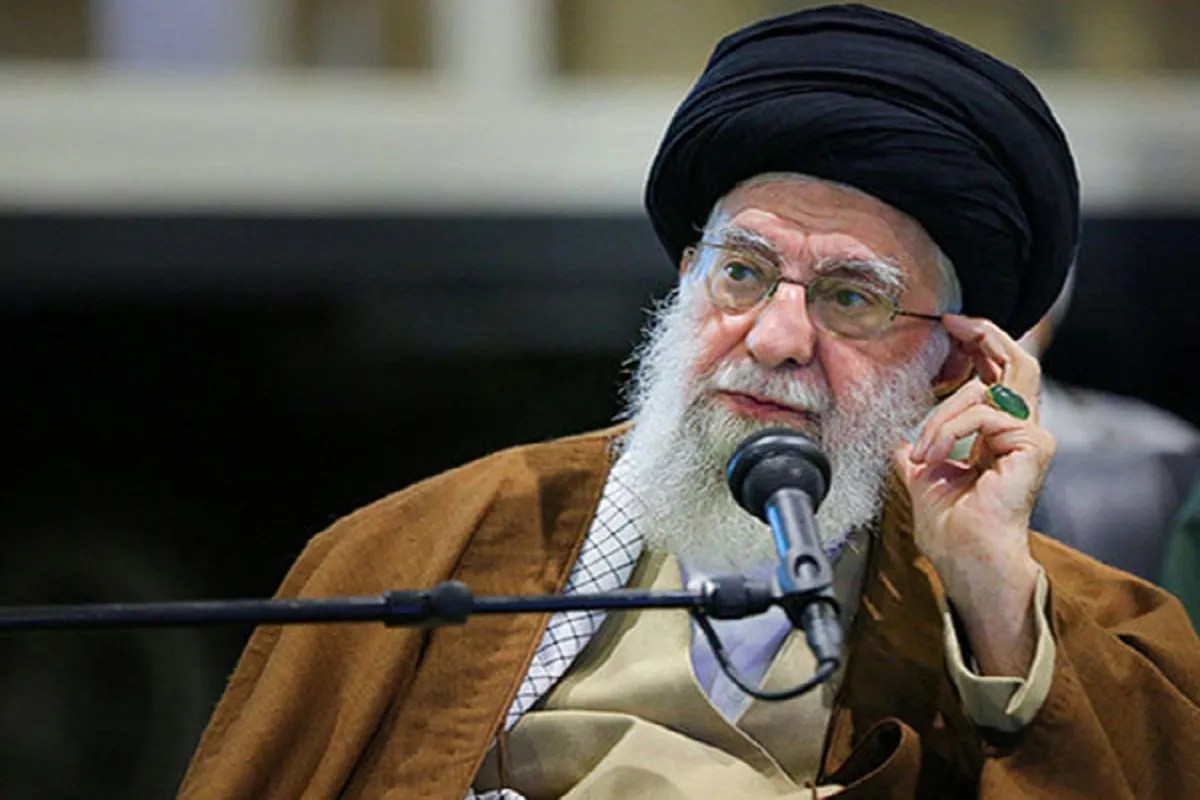
Currently, the IRGC and the Basij militia are not showing signs of systemic fracturing. In fact, external threats often serve as the glue that keeps these organizations together. By framing the struggle as "The People vs. The Regime" at the behest of Israel, Netanyahu inadvertently helps the Supreme Leader frame the protesters as "Foreign Assets."
It’s a strategic blunder wrapped in a rhetorical victory.
The Sanctions Paradox
We are told that maximum pressure will eventually lead to a breaking point. But look at the data from the last forty years. Sanctions often hollow out the middle class—the very people who have the education and resources to lead a political transition. When you destroy the currency, the average citizen spends 90% of their mental energy trying to find eggs and fuel. They don't have time to organize a sophisticated underground resistance.
The regime, meanwhile, manages the black market. They control the smuggling routes. They get richer relatively while the population gets poorer absolutely. We are effectively starving the revolutionaries to weaken the tyrant. It’s a self-defeating cycle that the "consensus" refuses to acknowledge because it requires admitting that our primary tool doesn't work.
The Illusion of the Once-in-a-Generation Window
Netanyahu’s "once-in-a-generation" framing is a psychological tactic designed to create a sense of urgency. But urgency without infrastructure is just a recipe for a massacre. We saw this in 2009 with the Green Movement. We saw it again with the "Woman, Life, Freedom" protests. Each time, the West cheered from the sidelines, provided some hashtags, and watched as the regime used facial recognition and brutal street tactics to reclaim control.
If you want to understand the true state of Iranian stability, stop looking at the protests and start looking at the commodity flows. Look at the "ghost fleet" of tankers moving oil to China. As long as the regime has a buyer for its carbon, it has a lifeline. No amount of "inspirational" rhetoric from a foreign podium can offset the reality of a filled state coffer.
The Exile Problem
Every time a Western leader speaks about a "New Iran," they inevitably point toward exile groups. This is a recurring fever dream in intelligence circles. Whether it’s the MEK or the supporters of the Pahlavi dynasty, these groups often have more fans in the halls of Congress than they do on the streets of Isfahan.
Relying on exiles to lead a revolution is like asking a ghost to move furniture. They’ve been out of the country so long they don't understand the current grievances, the local slang, or the specific fears of the youth. A real change in Iran will be ugly, local, and likely led by someone we haven't even heard of yet—probably a mid-level officer who decides he’s had enough.
The Cost of the Vacuum
The biggest lie in the "overthrow" narrative is that what comes next is guaranteed to be better. We have the scars of the last twenty years to prove otherwise.
Imagine a scenario where the central authority in Tehran collapses tomorrow. You have a massive, multi-ethnic country with heavily armed regional factions, a decimated economy, and several neighboring states (Turkey, Russia, Saudi Arabia, the UAE) all looking to secure their own interests.
A collapsed Iran doesn't necessarily become a secular democracy. It more likely becomes a massive version of Libya or Syria—a playground for proxy wars and a source of millions of refugees. This is the "nuance" that gets ignored in three-minute video clips. Stability, even under a hostile regime, is often preferred by regional actors over the total entropy of a failed state.
Stop Asking if They Should Revolt
The question isn't whether the Iranian people deserve freedom. They do. The question is whether foreign intervention—rhetorical or otherwise—actually facilitates that freedom.
If you are serious about changing the map, you stop making videos and start looking at the internal friction points that actually matter. You look at the succession crisis of the Supreme Leader. You look at the water shortages and the environmental collapse that the regime can't fix. You look at the labor strikes in the oil sectors.
Netanyahu’s call to action is a performance. It is theater for a global audience that wants to feel like the "good guys" are winning. But in the cold reality of power, a video message is just noise.
The Iranian regime will fall when its own defenders decide the cost of staying is higher than the cost of leaving. Not a second before. And certainly not because they were told to by a man they’ve been conditioned to hate for forty years.
Stop waiting for the "generation" to take the streets. Start watching the bank accounts of the generals. That is where the real revolution begins.
Everything else is just a campaign ad.