Every few years, weather forecasters and headline writers find their favorite scapegoat. When crops fail, power grids wobble, or fires consume timberlands, the finger points straight at the tropical Pacific. The current narrative treats El Nino as an omnipotent meteorological villain wreaking havoc from Jakarta to California. It is a convenient storyline. It requires zero critical thought, fits neatly into a three-minute broadcast package, and absolves every policymaker, utility executive, and agricultural conglomerate of actual responsibility.
Blaming the warm phase of the El Nino Southern Oscillation for systemic infrastructure failures is a cop-out. I have spent years analyzing resource distribution and grid stability across developing and developed markets, and I have watched corporations and municipal planners use this climatic pattern as an all-purpose alibi for decades of structural neglect. The ocean does not short-circuit a poorly maintained power grid. Atmospheric conditions do not mismanage water reserves or build housing tracts in high-risk brush zones without adequate firebreaks.
Let us dismantle the core falsehood driving this panic: the idea that El Nino creates crises out of thin air. It does not. It acts as a stress test. It exposes the rotten foundations of systems that were already brittle, overleveraged, and poorly maintained long before the first sea surface temperature anomaly registered off the coast of Peru.
The Myth of the Unpredictable Shock
Meteorologists have tracked these cyclical shifts since the nineteenth century. We possess decades of telemetry, oceanic data, and predictive modeling that map out these phases with terrifying accuracy. Yet, every single time water temperatures in the equatorial Pacific tick upward, institutions act as though an asteroid has struck the atmosphere without warning.
Energy ministries express shock when peak heat demands crash regional grids. Agricultural syndicates act bewildered when traditional rain belts shift north or south, as if crop rotation and irrigation diversification were foreign concepts invented yesterday.
Consider how power cuts are framed in contemporary reporting. The narrative suggests that sudden heatwaves driven by tropical warming overwhelm generation capacity by sheer meteorological force. That is false. Power cuts happen because utilities defer capital expenditure on transmission line upgrades, rely on aging fossil-fuel plants past their retirement date, and fail to mandate distributed energy storage. When peak load spikes, the grid fails not because the weather was hot, but because the margin for error was engineered down to zero to maximize quarterly dividends.
If your transmission system collapses the moment summer temperatures rise two degrees above historical averages, your system was already broken. El Nino merely signed the death certificate.
Agriculture and the Cult of Monoculture
Food shortage scares follow the exact same lazy trajectory. Headlines scream about droughts in Southeast Asia or floods in South America decimating yields, framing the shortfall as an act of divine meteorological retribution.
Let us look at the underlying agronomy. Modern commercial farming has abandoned resilience in favor of hyper-optimized monoculture. Vast regions plant single, highly sensitive crop varieties dependent on precise rainfall windows and heavy chemical inputs. When atmospheric circulation patterns disrupt those narrow windows, the entire harvest craters.
This is not a surprise. It is a mathematical certainty in a variable climate system. Farmers who transition to mixed-cropping, drought-tolerant indigenous grains, and regenerative soil management routines experience production dips during weather anomalies, not total collapse. But massive agribusiness operations prefer the financial safety net of disaster declarations and subsidized crop insurance over the upfront costs of ecological diversity. Blaming the weather allows corporate boards to externalize the financial penalty of bad agronomic design onto global consumers via inflated food prices.
Fire as a Policy Failure
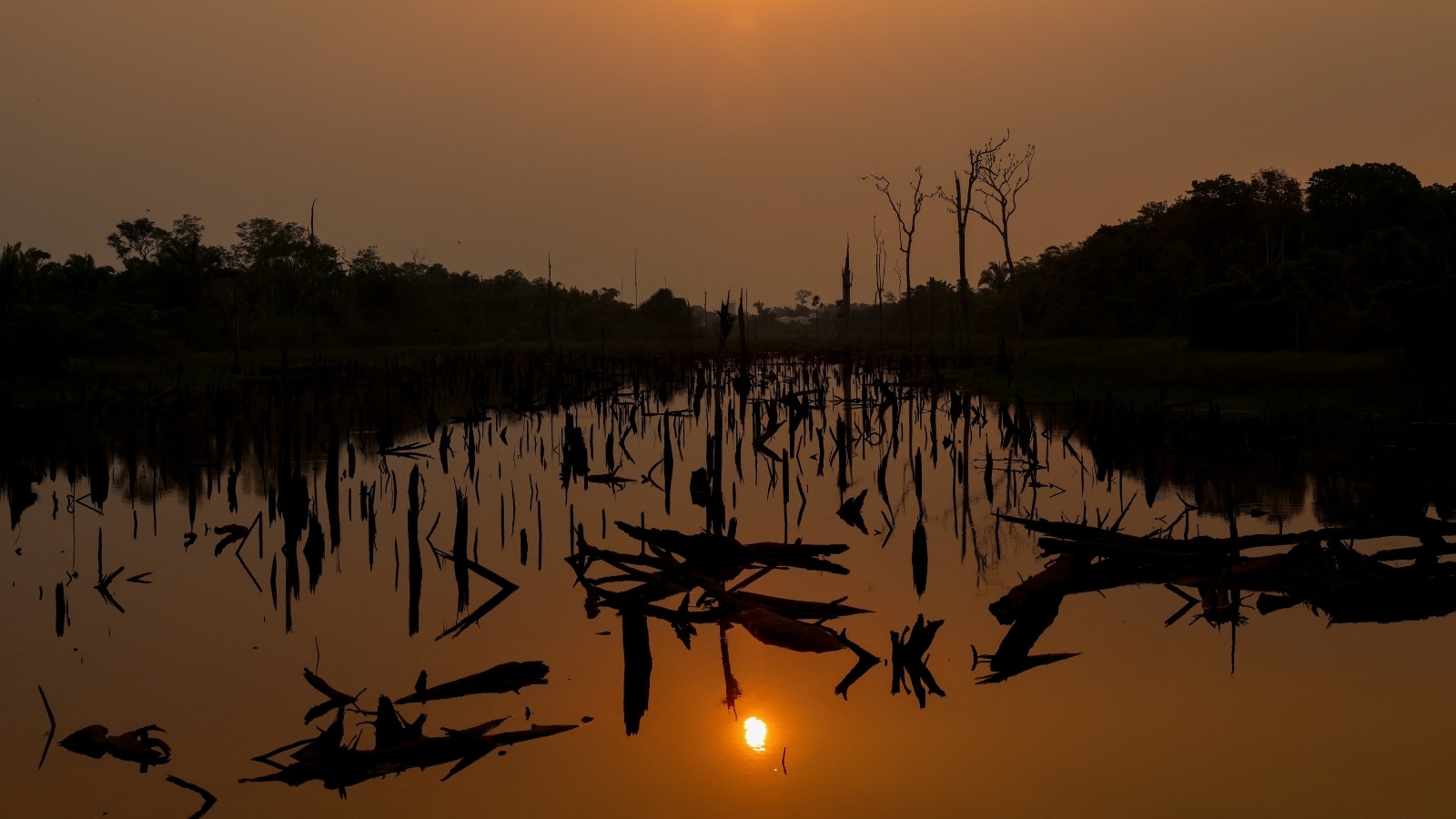
Nothing exposes the intellectual laziness of weather-blaming quite like wildfire coverage. When forests in Australia, Indonesia, or the western United States go up in smoke, commentators point to dry conditions fueled by Pacific warming patterns.
Dry wood burns. That is basic thermodynamics. But forests do not burn millions of acres solely because of low humidity. They burn because decades of total fire suppression transformed healthy, fire-adapted ecosystems into overcrowded powder kegs choked with dead biomass. They burn because real estate developers push suburban and exurban housing developments directly into high-risk chaparral and timber interfaces, forcing emergency services to prioritize property defense over ecological management through controlled burns.
When governments ban indigenous burning practices, refuse to clear underbrush, and permit building in high-hazard zones, they are manufacturing a catastrophe. When the inevitable firestorm arrives, blaming El Nino is like locking yourself in a room with a gallon of gasoline and a blowtorch, striking a match, and cursing the oxygen for making the fire burn.
The Real Cost of Institutional Alibi-Making
Accepting the prevailing media narrative on climate anomalies has a corrosive effect on public policy. If El Nino is an unstoppable act of God, then adaptation is futile. We resign ourselves to rolling blackouts, skyrocketing grocery bills, and seasonal evacuations as the new normal, waiting for the ocean current to reverse itself and grant us a temporary reprieve.
That passivity is dangerous. It protects incompetent regulators, shortsighted corporate executives, and negligent urban planners from accountability. Every time a journalist writes that global hunger or energy scarcity was caused by a weather cycle, a politician breathes a sigh of relief because they do not have to overhaul their failing water management infrastructure or modernize their grid.
We need to stop treating cyclical climate variations as anomalies and start treating them as baseline operating conditions. The planet does not owe us static weather. Systems designed for a fantasy world of permanent climatic stability deserve to fail. The sooner those systems break completely, the sooner we can stop masking structural incompetence behind meteorological excuses and build infrastructure that survives reality.