Every year, sports media runs the exact same predictable panic piece. They clutch their pearls over the aroma of unburned and burning cannabis drifting across the grounds at Flushing Meadows. This time around, the usual suspects rolled out the lazy consensus: social media personalities, brand activations, and the normalization of recreational substances are ruining the sanctity of sport.
It is a tired, toothless narrative.
The outrage completely ignores the economics of modern spectator events and the fundamental shift in how live entertainment monetizes attention. Blaming influencers for the distinct herbal haze at a major tennis tournament is like blaming the wind for a hurricane. The problem is not the consumer behavior; it is the structural mismatch between a century-old sporting tradition and the raw, unfiltered reality of twenty-first-century public consumption.
I have spent years inside the venue operations room watching organizations trip over themselves trying to project a pristine, family-friendly image while simultaneously selling sponsorships to alcohol brands, gambling apps, and lifestyle labels that cater directly to an altered state. You cannot cash checks from hedonism and then whine when the customers actually partake.
Let us look at the actual mechanics of what happens when you cram seventy thousand people daily into a concrete facility during a humid September in New York City.
The Anatomy of a Public Smoke Out
The mainstream reporting treats the courtside cannabis cloud as some sort of rogue anomaly driven by TikTok stars looking for clout. That perspective demonstrates a fundamental misunderstanding of public venue demographics and municipal policy.
First, New York legalized adult-use cannabis. That legal reality changed public behavior overnight. When a substance becomes legal, regulated, and socially accepted, people stop hiding it in alleyways. They consume it where they consume everything else: in the open air, amidst massive crowds, protected by anonymity of scale.
Second, the venue layout at the Billie Jean King National Tennis Center creates unique physical dynamics. It is an open-air concrete bowl surrounded by transit hubs, bustling concession plazas, and tightly packed outer courts. Unlike golf, where galleries stretch across vast acreage, or baseball, where stadiums feature massive open concourses, a tennis major packs humanity cheek-by-jowl. A single vape pen or pre-roll in a densely packed plaza between matches sends a scent profile drifting across a dozen rows of seating before security can even turn their heads.
The moral panic relies on a false dichotomy. Critics pretend that tennis has always been a sterile sanctuary of polite applause and genteel quietude. Anyone who has sat in the cheap seats during a fifth-set tiebreak knows that crowd already resembles a rowdy soccer pub more than a country club lawn.
Follow the Sponsorship Money
If you want to know why the atmosphere changed, stop staring at the influencer section and start reading the corporate partner roster.
Major sports organizations spent decades cultivating a prohibitionist aesthetic while quietly taking money from beer conglomerates. Walk the grounds of any major tournament today and you are bombarded with high-end cocktail bars, sprawling lounge activations, and VIP hospitality tents designed specifically to loosen inhibitions. Alcohol is deeply woven into the financial architecture of professional sports. It drives concession revenue, fuels merchandise sales, and underwrites television broadcasts.
When cannabis brands and lifestyle influencers enter that ecosystem, they are simply competing for the same recreational headspace that alcohol has dominated for a century.
The friction occurs because the legal status of cannabis creates a regulatory grey zone for venue operators. Stadiums are bound by local laws and municipal codes. Because federal law still classifies cannabis differently, venues often maintain official bans on consumption while municipal police forces deprioritize enforcement. This hypocrisy creates a wild-west environment. Security guards are left holding the bag, expected to enforce a zero-tolerance policy against a substance that is sold legally three blocks away from the stadium gates.
The pearl-clutching articles miss this institutional schizophrenia entirely. They pretend the tournament organizers are innocent victims of bad manners, ignoring the fact that these massive commercial enterprises actively court youth culture, lifestyle marketing, and boundary-pushing brands to stay relevant against competing entertainment options.
The Myth of the Pure Fan
At the heart of the anti-cannabis crusade in sports is an elitist fantasy about who a sports fan is supposed to be.
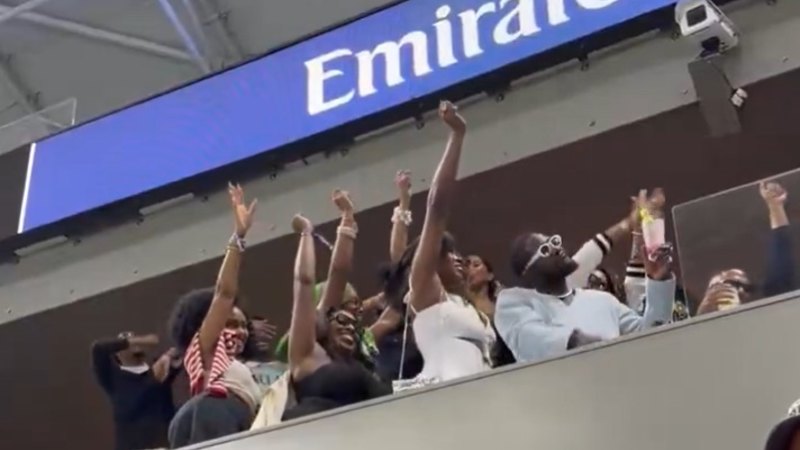
The narrative assumes the ideal spectator is a quiet, contemplative purist who analyzes unforced errors in respectful silence. That person does not exist, and frankly, they never did. The modern sports economy runs on attention, spectacle, and sensory overload. Tournaments want the influencer with two million followers posting live from Arthur Ashe Stadium because that reach translates directly to broadcast ratings and ticket sales for the next generation.
You cannot import the attention economy and then demand that the audience behave like they are sitting in a Victorian library.
When you invite lifestyle creators, fashion icons, and pop culture crossovers into the sporting arena, you are importing their lifestyle too. That lifestyle includes casual substance use, sensory-seeking behavior, and a rejection of old-world decorum. The smell of weed at the US Open is not a glitch in the system; it is a feature of a tournament that successfully pivoted from a niche athletic competition into a premier global social event.
My own approach to managing large-scale public events taught me a hard truth: you cannot legislate culture through signage. If thousands of people want to bend the rules in a crowd of that magnitude, no amount of underpaid security staff waving laminated code-of-conduct cards will stop them. The only options are total authoritarian surveillance—strip-searching every attendee at the gates, which would destroy the gate receipts—or accepting the messy reality of mass public gatherings.
What Real Venue Management Looks Like
Stop pretending that a sternly worded editorial or a crackdown on specific social media personalities will restore some mythical era of polite sportsmanship.
The solution to public friction points at major sporting events is not moral posturing; it is intelligent infrastructure design. If venues want to accommodate changing consumer habits without alienating traditionalists, they need designated zones, modern ventilation solutions, and clear, realistic policies that acknowledge municipal laws instead of hiding behind outdated moral codes.
Until tournament directors decide to stop taking money from lifestyle brands that promote indulgence, the aromatic reminders of modern recreation are here to stay.
The next time a whiff of something herbal drifts down from the promenade level during a changeover, do not blame the kids with the ring lights. Blame the executives who wanted the culture-cachet of the modern lifestyle economy without any of the smoke.