We love a clean scapegoat. It saves us from staring unblinkingly at messy, structural failures. When Donald Trump pointed a finger across the Atlantic and claimed that Ukrainian drone strikes on Russian refineries were driving up American fuel costs, he gave commentators a neat, bite-sized narrative. The lazy consensus followed right on cue: blame the wartime choices of a besieged nation for the pain at your local pump.
It is a politically convenient talking point. It is also entirely divorced from the mechanics of global energy markets.
Let us strip away the theater and look at the cold data. The idea that tactical hits on Soviet-era cracking towers in inner Russia dictate retail prices in Ohio or California ignores how crude pricing actually works. The real drivers of our current inflation crisis are sitting in active conflict zones in the Middle East and inside domestic regulatory bottlenecks that politicians of every stripe refuse to touch.
To understand why the mainstream framing falls apart, we need to define the inputs. Crude oil is a globally traded commodity priced on marginal supply and demand. Russian refined product exports have faced sweeping Western sanctions, price caps, and routing shifts for years. When Ukrainian forces target a domestic Russian refinery, that refinery processes fewer barrels for local or regional consumption. But those crude barrels do not simply vanish from the planet; they often get rerouted as unrefined crude to alternative buyers like India or China, which then flood other markets with refined products. The net global deficit from a few localized refinery fires is a drop in an ocean measured in hundreds of millions of barrels per day.
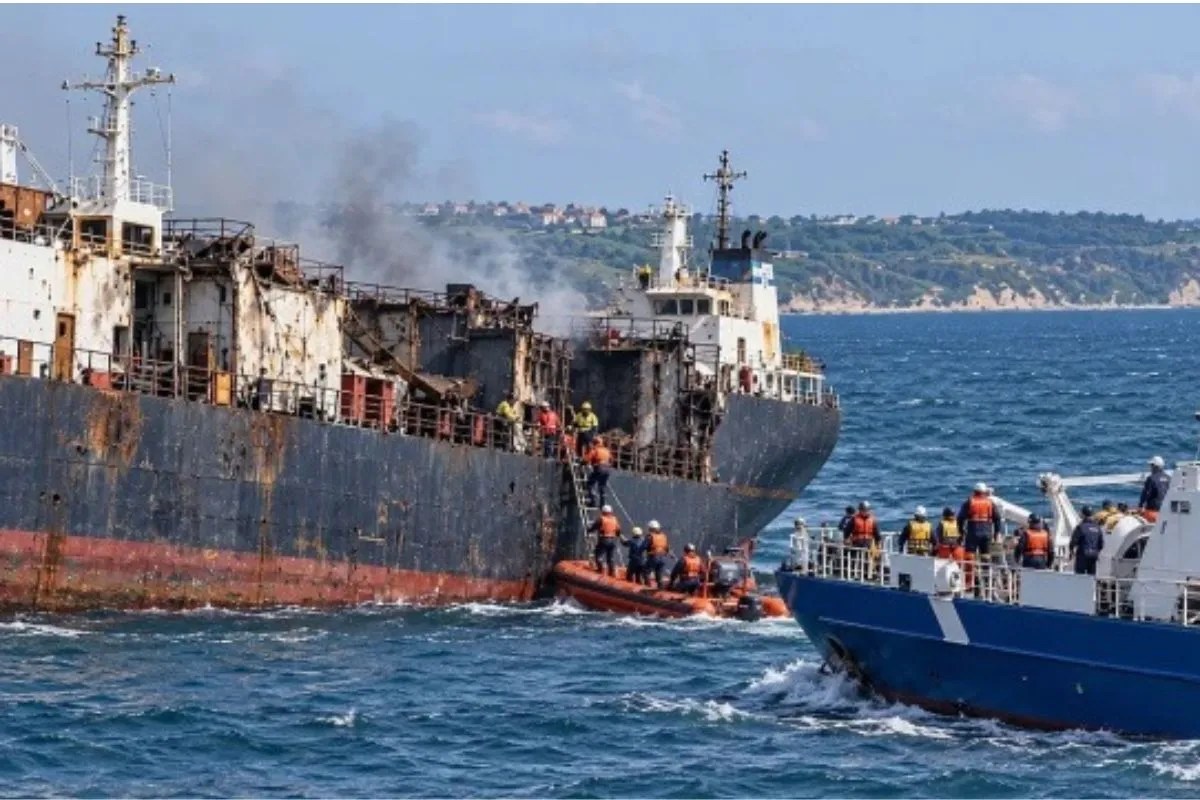
The actual shock to the system comes from elsewhere. Look toward the Middle East, where geopolitical flashpoints and choke points like the Strait of Hormuz create immediate, violent volatility in shipping insurance and tanker availability. When transit risks spike, the cost of moving every single barrel of oil jumps overnight. That is a systemic pricing mechanism. Blaming Ukraine is like complaining that a neighbor trimming tree branches in their backyard caused a hurricane to hit your roof.
Furthermore, pointing the finger outward obscures the domestic choices keeping our energy baseline artificially high. American production levels are constrained not by Kyiv, but by long-term capital allocation shifts among major exploration firms, federal leasing cadence, and regional infrastructure limits in key domestic refining hubs. Shifting the blame across oceans allows leaders to dodge accountability for structural vulnerabilities baked into our own energy grid over decades.
The truth is stark: global energy markets are fragile because we spent thirty years underinvesting in redundancy, relying on volatile shipping lanes, and treating fossil fuels as an infinite resource that could be managed with political soundbites.
Stop buying the fiction that a foreign nation fighting for survival is picking your pocket at the gas station. Look at the balance sheets, look at the Middle East, and look at the domestic policy choices that left us completely exposed to the next inevitable shock.
This video provides additional context and contrasting commentary regarding the political blame game over fuel prices and international conflict.