Democracy is supposed to be private. You step behind the curtain, make your choices away from prying eyes, and drop your paper or tap your screen in total secrecy. But for millions of blind and visually impaired citizens, that promise is a fiction. Voting often means surrendering your independence, handing your political preferences over to a stranger, or struggling with poorly designed tech that fails right when you need it most.
Take the recent tribunal battles where blind voters have had to drag election authorities into court just to argue for basic access. It sounds absurd in a modern democracy. Yet, year after year, election systems roll out with zero regard for how a person who cannot see is supposed to cast a ballot independently. Learn more on a connected issue: this related article.
If you think a ramp at the front door solves everything, you misunderstand what modern accessibility actually demands. Let's look at why accessible voting rights keep getting blocked and what it will take to fix a broken system.
The Myth of Equal Access at the Poll Station
Walk into a typical polling place on election day. You see cardboard voting booths, volunteers shuffling paper, and maybe an electronic machine tucked in a corner. For a sighted voter, the process takes five minutes. For a blind voter, it's a gauntlet of friction. Additional reporting by USA Today delves into related views on the subject.
Too many jurisdictions rely on the "helper" model. Election officials tell voters with visual impairments that they can bring a friend, a family member, or a poll worker into the booth with them. That isn't a solution. That's a violation of the secret ballot, a cornerstone of free and fair elections.
Why should a citizen have to disclose their political choices to their spouse, their adult child, or a random municipal employee just to exercise their constitutional right? Privacy isn't a luxury item. It's a fundamental requirement. When election boards treat privacy as an afterthought for disabled voters, they are disenfranchising them just as effectively as a locked door.
Where Technology Fails the Ballot Box
Technology was supposed to level the playing field. Screen readers, tactile
Why Accessible Voting Rights Fail Disabled Citizens Every Single Election
news
You enter a voting booth expecting a fundamental constitutional right. You leave wondering why exercising that right required a structural battle.
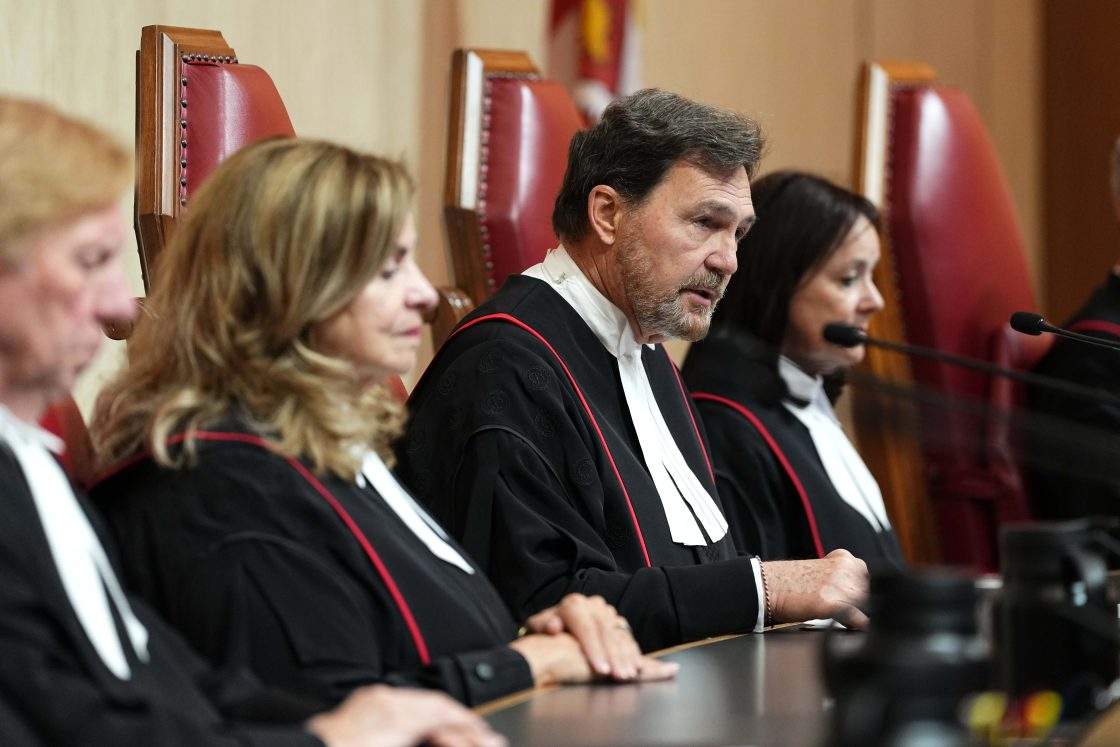
Accessible voting rights shouldn't be a luxury feature or an afterthought tacked onto an election cycle. Yet, for millions of citizens relying on assistive technology, screen readers, or physical accommodations, casting a private ballot remains an uphill climb. When a blind voter steps up to a tribunal hearing to argue that their local election authority failed to provide a private, independent voting experience, it exposes a massive crack in our democratic foundation.
Let's look at what is actually happening behind closed doors. Voting laws mandate accessibility, but the execution on the ground tells a very different story.
The Reality of Voting While Blind
Imagine walking into a polling place where the designated electronic voting machine is broken, turned off, or sitting in a corner covered in dust. Election workers look at you blankly when you ask for audio ballot options. They hand you a paper ballot and suggest you trust a stranger or a companion to mark your choices.
That violates the core principle of a secret ballot.
When a voter challenges election boards at tribunals or court hearings, they aren't just fighting for themselves. They are fighting for an entire community sidelined by bureaucratic negligence. Jurisdictions often treat accessibility as a compliance checkbox rather than an absolute necessity. If a ramp is missing, everyone notices. If the software configuration for screen readers fails, nobody cares until someone files a formal complaint.
Where Election Systems Fail
We need to stop pretending that modern technology solves everything automatically. Too many election jurisdictions roll out digital voting machines without auditing them for real-world assistive compatibility.
- Untrained poll workers: Equipment sits in rooms while staff members lack basic knowledge on how to boot up audio interfaces.
- Flawed software design: High-contrast modes and screen-reader integrations frequently crash or lag during peak hours.
- Lack of proactive testing: Authorities wait for a lawsuit or a tribunal challenge before auditing their accessibility setups.
These aren't honest mistakes. They reflect institutional indifference. Voting is the ultimate test of civic inclusion. If a system requires a legal battle just to cast a private vote, the system is broken.
What Needs to Change Right Now
Fixing this mess requires holding election commissioners accountable with actual teeth in the law. Fines for non-compliance need to sting. Independent audits should test every single polling station for true accessibility weeks before election day, not hours before polls open.
If you care about fair elections, stop looking at turnout numbers alone. Look at who is being forced to compromise their privacy just to have their voice counted. Demand that local election boards publish their accessibility testing results publicly. Support advocacy groups fighting these tribunal battles.
Democracy only works when every single eligible citizen can walk into a booth, cast a ballot independently, and walk out knowing their vote was counted in secret. Anything less is just an illusion of choice.