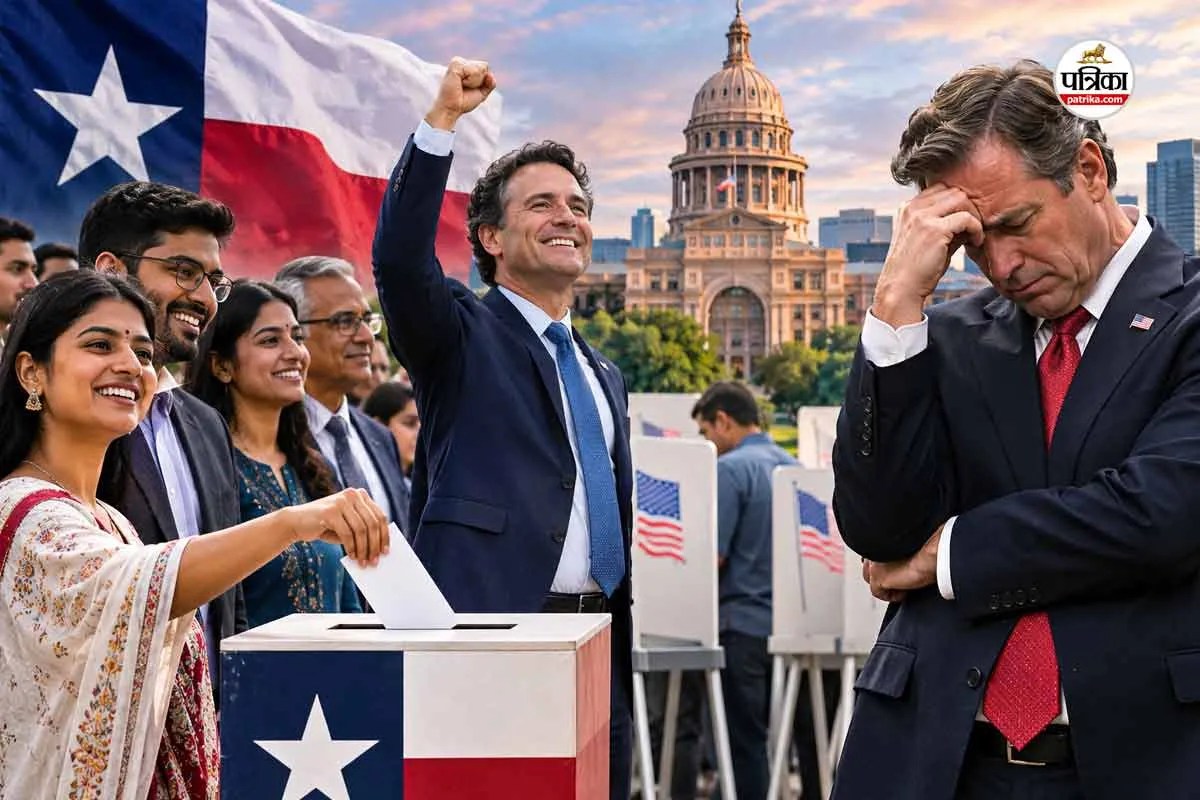
Voters in Texas just sent a loud message about hate speech in the 2026 midterm elections. Bo French, a controversial political figure known for making racist remarks against Indian students, lost his election bid—and honestly, the fallout reaches far beyond a single ballot box in Tarrant County.
If you've been following American politics lately, you know the rhetoric around immigration and international students has gotten ugly. Really ugly. For months, certain politicians treated Indian students on F-1 and H-1B pathways like easy punching bags to score cheap primary points. They assumed nobody would push back at the polls.
They were wrong.
Who Is Bo French and Why Did His Remarks Spark Outrage
Before the 2026 election results started rolling in, Bo French built a reputation in Texas Republican circles for combative, unfiltered social media posts. As the Tarrant County GOP chair and a candidate seeking broader influence, French repeatedly targeted immigrant communities, specifically aiming xenophobic comments at Indian students and tech workers.
His posts didn't just sit quietly in a corner of the internet. They went viral across Indian diaspora groups, student associations, and civil rights organizations. Students at universities across Texas—many of whom pay tens of thousands of dollars in out-of-state tuition and contribute billions to the local economy—suddenly found themselves painted as threats rather than scholars.
You can't build a sustainable political coalition by alienating one of the fastest-growing, most educated demographics in suburban Texas. I've watched local Texas elections closely over the last decade, and the math is simple. Suburban counties like Tarrant, Collin, and Denton aren't monolithic anymore. When a candidate attacks Indian Americans and international students, those attacks hit neighbors, coworkers, doctors, and small business owners right in their own districts.
The Backlash From Both Sides of the Aisle
What surprised a lot of political observers wasn't just the anger from Democratic groups. It was the quiet—and sometimes loud—disgust from traditional conservatives and business leaders.
Texas relies heavily on international talent to fuel its booming tech, healthcare, and engineering sectors. When Bo French leaned into anti-Indian tropes, local chamber of commerce members and moderate Republicans winced. Even within his own party, mainstream figures distanced themselves from his rhetoric because they saw the writing on the wall.
Racism isn't just morally bankrupt. In a competitive suburban district in 2026, it's political suicide.
How the 2026 US Election Results Exposed the Limits of Anti-Immigrant Rhetoric
When the 2026 US election results were tallied, Bo French's loss stood out as a clear referendum on how far candidates can push divisive rhetoric before voters pull the plug.
Let's look at why this happened. For years, a loud faction in American politics believed that attacking immigrants—whether undocumented border crossers or legal Indian students—was a guaranteed turnout machine. They didn't bother distinguishing between complex border policy and overt racial hostility.
By lumping Indian students into fear-mongering narratives, French crossed a line that energized the exact voters he needed to stay home.
- Record diaspora engagement: Indian American advocacy groups, including organizations like Hindu American Foundation and various South Asian civic coalitions, ramped up voter registration drives across Texas in direct response to anti-Indian rhetoric.
- Suburban swing voters pushed back: Independent voters in the Dallas-Fort Worth metroplex showed zero appetite for candidates who turn local politics into culture-war circus acts.
- Student solidarity: Even though international students on visas can't vote, their American-born classmates, professors, and naturalized family members showed up with receipts.
It's a classic political miscalculation. Politicians spend too much time reading toxic replies on X and forget that real people live in the real world, where Indian students are lab partners, neighbors, and future innovators.
The Bigger Debate Over Racism Against Indian Students in America
Bo French's defeat doesn't magically erase racism in American politics. Pretending otherwise would be naive.
Over the past two years, online hate targeting Indians and Indian Americans has spiked dramatically across social media platforms. According to research from the Center for the Study of Organized Hate and reports tracked by Stop AAPI Hate, anti-South Asian slurs and conspiracy theories around student visas and tech jobs have surged.
Here's what most commentators miss about this trend. Unlike past waves of xenophobia that stayed mostly offline or hid behind coded language, the current wave is blatantly open—and often amplified by algorithms that reward outrage. When a public figure like French echoes those talking points, it gives permission to everyday trolls to escalate their harassment.
Indian students in the US already deal with massive pressure. You're navigating grueling academic programs, strict visa compliance rules, currency exchange stress, and the constant anxiety of the post-graduation job market. Having to look over your shoulder because a local politician decided to demonize your nationality adds an unfair burden nobody signed up for.
Why International Students Are Easy Targets—And Why That's Changing
Politicians target international students because they assume students have no political leverage. After all, if you're on an F-1 visa, you can't cast a ballot. You can't donate to a campaign. On paper, you're politically invisible.
That's a short-sighted view of how influence actually works in America.
International students contribute over $40 billion annually to the US economy, according to data from NAFSA: Association of International Educators. Universities depend on that revenue. Local landlords, restaurants, and tech hubs depend on that talent pipeline. More importantly, Indian students are deeply connected to a 5-million-strong Indian American community that votes at some of the highest rates of any demographic in the country.
When politicians attack Indian students, the Indian American electorate hears it loud and clear.
What This Means for US-India Relations and Campus Life Going Forward
Every time an American politician makes headlines in New Delhi or Mumbai for anti-Indian remarks, it complicates broader diplomatic trust. India is a critical strategic partner for the United States, and education exchanges sit at the heart of that relationship. More than 300,000 Indian students currently study at US institutions, making India the largest source of international students in America.
When news broke in Hindi and English media across India that Bo French lost his race, the reaction was immediate relief mixed with cautious optimism. Parents in Hyderabad, Pune, and Delhi pay close attention to local US news before sending their kids across the globe. Seeing American voters reject a candidate who peddled anti-Indian hate sends a reassuring signal that extreme voices don't represent the majority.
Still, campus administrators and student groups can't afford to get complacent. One election loss doesn't fix systemic blind spots. Universities need better reporting mechanisms for bias incidents, and political parties in both red and blue states have to police their own ranks before toxic rhetoric becomes normalized.
Practical Steps for Indian Students and Diaspora Voters Right Now
If you're an Indian student living in the US—or a naturalized citizen watching these political shifts unfold—don't just treat this election result as a headline to scroll past. Use it as proof that organized pushback actually works.
- Document and report hate incidents immediately: If you experience harassment on or off campus, report it to your university's international student office and civil rights advocacy groups like Stop AAPI Hate or SAALT. Data drives policy changes and media coverage.
- Stay plugged into local politics, not just national headlines: School board races, county chair elections, and state legislative seats affect your daily safety far more than presidential debates. Follow local journalism in your city.
- Build coalitions on campus: Connect with broader student government groups and multicultural alliances. When international students speak up alongside domestic peers, university leadership listens faster.
- If you can vote, register and show up in primaries: Primary elections decide who gets on the ballot in the first place. Bo French's trajectory proves that unchecked primary rhetoric only stops when voters hold candidates accountable early.
Political bullies thrive on silence and apathy. The 2026 election results proved that when communities pay attention and refuse to accept scapegoating, hate loses at the ballot box.