The heat in N'Djamena does not merely warm the skin; it weighs on the chest like a physical hand. By noon, the tarmac at the Adji Kosseï airbase radiates a shimmering, distorted haze that blurs the silhouettes of parked military transport planes. For decades, this specific heat has been accompanied by a familiar sound: the low, rhythmic thrum of French military engines.
Lately, that thrum has been quieter. But it has not stopped.
To understand the modern Sahel is to understand the geometry of a dissolving relationship. Over the past few years, a domino effect of resentment and political upheaval forced French troops to pack their bags, fold their flags, and exit Mali, Burkina Faso, and Niger. To many observers, it looked like the definitive end of an era—the final collapse of Françafrique. The narrative was clean, dramatic, and seemingly absolute.
Reality, however, is rarely clean.
While the public eye remained fixed on the dramatic expulsions elsewhere, a different story was quietly being written in Chad. Here, the French military presence is not staging a grand, cinematic exit. Instead, it is masterminding a carefully calibrated, whisper-quiet reorganization. It is a return to basics, executed with soft steps and lowered voices.
Consider the perspective of a local shopkeeper just outside the base gates. For years, the presence of foreign uniform-wearing patrons was an unquestioned fixture of daily commerce. Then came the sudden silence from neighboring capitals, followed by intense local political debates. The shopkeeper watches the gates, wondering if the trucks will roll out for good, or if the inventory needs to be restocked for a prolonged stay. That uncertainty is the exact emotional state defining the current geopolitical landscape of the region.
The stakes are invisible but massive. Chad represents the last major foothold for French military strategy in a vast, volatile stretch of Africa. If Paris loses N'Djamena, it loses its eyes and ears in the Sahel.
The strategy currently unfolding is a lesson in political survival. The old approach—heavy footprints, permanent bases, and highly visible patrols—is dead. It drew too much lightning. The new blueprint relies on a philosophy of reduction and integration. It is about becoming less visible while attempting to remain equally effective.
This shift is not merely about changing the numbers on a spreadsheet; it alters the entire daily reality of the soldiers and their hosts. Imagine a massive, sprawling fortress slowly trying to mimic the footprint of a localized training camp. The French army is downscaling its permanent personnel numbers significantly, attempting to pivot toward a model where troops rotate in and out for specific, short-term training missions rather than occupying permanent garrisons.
But can you truly make a military footprint invisible when history weighs so heavily?
The confusion among locals is palpable. On one hand, there is a deep-seated desire for true sovereignty, a feeling that sixty years after independence, domestic security should not rely on a former colonial power. On the other hand, there is the terrifying reality of the region’s threats: heavily armed rebel groups navigating the northern deserts, and the persistent, deadly shadow of Boko Haram around Lake Chad.
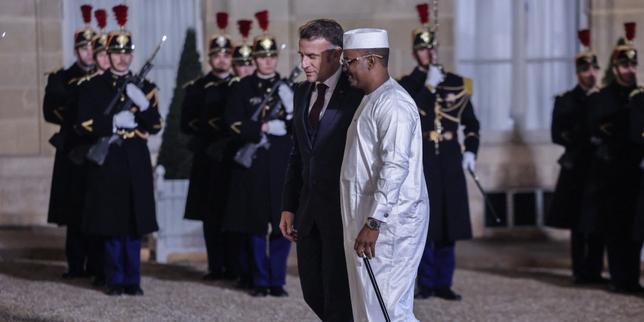
It is a fragile balancing act. The Chadian transitional government, led by Mahamat Idriss Déby, finds itself walking a tightrope. It must appease a population increasingly skeptical of Western intervention while maintaining the strategic and intelligence lifelines that French forces provide against existential threats to the state.
During a walk through the capital, the contradictions become clear. You see young students arguing passionately in cafes about neo-colonialism and the need for a total break from Paris. Yet, just a few miles away, military commanders look at maps of the shifting desert borders and realize that the intelligence gathered by French aerial surveillance is sometimes the only thing preventing a surprise insurgent advance.
The French are betting everything on this new, low-profile posture. They are trying to reposition themselves not as managers of regional security, but as secondary partners who only speak when spoken to. They are stripping away the external markers of influence, hoping that by diminishing their presence, they can neutralize the political ammunition used by their critics.
Yet, the dust never truly settles in this part of the world. Every movement of a convoy, every arrival of a transport plane at Adji Kosseï, is scrutinized by local eyes and magnified on social media networks. In the modern information ecosystem, a "stealthy" military presence is almost a contradiction in terms.
As the sun begins to set over the Chari River, casting long, dark shadows across the city, the true nature of this transition becomes apparent. It is an experiment born of necessity, a desperate attempt to rewrite a turbulent historical script while using the same actors.
The French military is not embarking on a triumphant return, nor are they fleeing in defeat. They are simply adjusting their weight, shifting from one foot to the other in the hot sand, hoping the ground beneath them doesn't give way entirely.