British Columbia officially lifted its provincial state of emergency on August 27, 2026, ending a twenty-day blanket declaration that began on August 8 following the explosive growth of the Bald Range wildfire. While the government maintains that the extraordinary powers granted under the emergency order were ultimately left unexercised, roughly 200 active fires continue to burn across the province. The termination of the provincial decree does not dissolve active evacuation orders, nor does it mean local communities are out of the woods. Instead, the operational reality has simply shifted from immediate crisis containment to a fragmented, community-led recovery phase while the dry timber of the central interior waits for the next lightning strike.
Emergency declarations carry deep psychological and political weight. When the province stepped in on August 8 after rapid-fire blazes forced more than 20,000 residents west of Okanagan Lake to flee, the measure signaled to insurance providers, municipal leaders, and international firefighting allies that the machinery of the state was locked into priority mode. Yet, lifting that order before the fire season has fundamentally burned itself out exposes the administrative tightrope officials walk. Keep the declaration active too long, and administrative fatigue sets in. Drop it too early, and local municipalities find themselves fighting bureaucratic friction just as federal funding streams and resource allocations require nimble adjustments. Meanwhile, you can read related stories here: The Ghost Batteries We Left Behind On The Shoreline.
The Illusion of Normalcy Behind the Firelines
Paper decrees rarely match the physical reality on the ground. Around 200 active fires remain scattered across British Columbia, fed by persistent warm and dry weather patterns that refuse to yield to late-season relief.
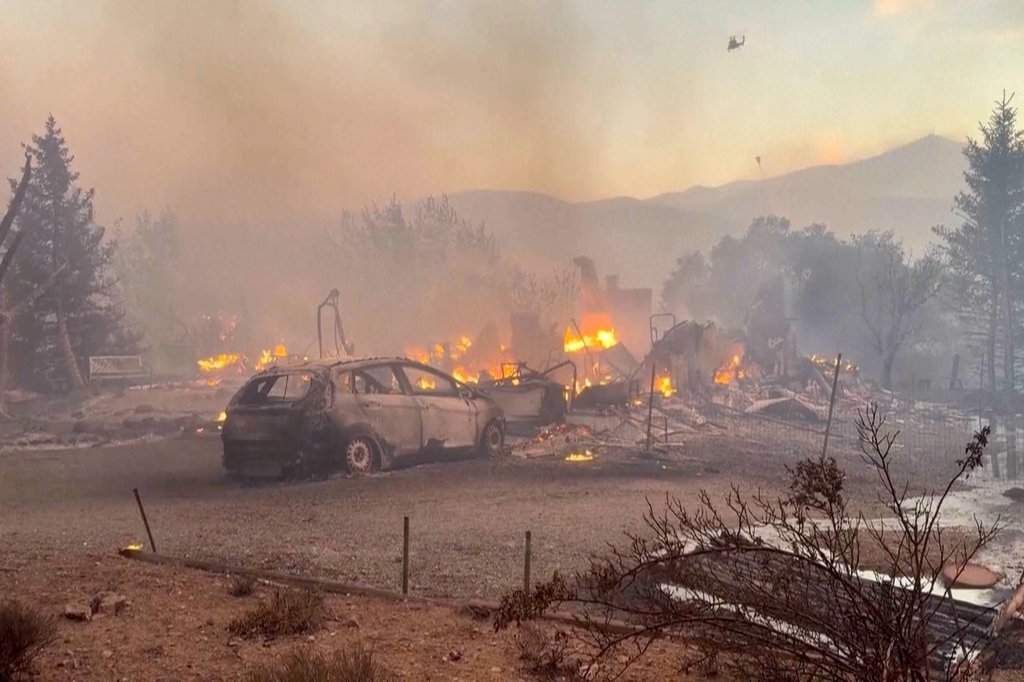
- Approximately 150 homes were destroyed or damaged when the Bald Range fire tore through communities on the night of August 7.
- Local states of emergency remain entirely intact for municipalities and First Nations managing active evacuation alerts.
- Infrastructure corridors, such as segments of the Trans-Canada Highway through the Fraser Canyon, have only recently begun tentative, single-lane alternating reopenings after weeks of total closure.
When a provincial declaration ends, the public often misinterprets the bureaucratic signal as an all-clear. It is not. The Wildfire Act and the overarching Emergency and Disaster Management Act continue to supply officials with statutory backing, but the removal of the provincial umbrella shifts the immediate financial and administrative burdens back onto local governments. For a small town council already financially strained by infrastructure damage, managing a prolonged recovery without a provincial state of emergency creates a quiet, grinding crisis that rarely makes evening broadcasts. To see the complete picture, check out the recent analysis by The Guardian.
The Anatomy of Modern Fire Fatigue
Operating a modern emergency response apparatus requires sustained human endurance, an asset that depletes far faster than financial reserves or water-bomber fuel. Fire crews, municipal administrators, and volunteer coordinators have spent months moving from one atmospheric anomaly to the next. By late August, institutional exhaustion sets in across every tier of government.
Governments face an invisible ledger during every major crisis. The cost of maintaining emergency powers involves more than just administrative overhead; it strains public cooperation. If citizens perceive that an emergency declaration persists long after the immediate threat to their specific neighborhood has stabilized, compliance with future evacuation alerts drops sharply. Public trust is a finite resource. Officials must balance the physical necessity of preparedness against the public's psychological need to return to economic and social routines.
This dynamic explains why the province opted to lift the order early on the advice of emergency management officials, even with lightning continuing to spark new fires in the central interior. The tools to redeploy emergency powers remain embedded in permanent legislation should a sudden wind shift threaten populated corridors again. The emergency mechanism is not broken; it is being parked in the driveway, idling, just in case the weather turns.
What Happens When the Smoke Clears
Long after the provincial news conferences stop, the real work of community survival begins. Consider a hypothetical mountain municipality where fifty homes were leveled by a fast-moving interface fire. Once the flames are pushed back, the surviving residents face months of toxic ash remediation, soil stability assessments, and protracted battles with property insurers who parse every clause of their policies.
The end of a state of emergency accelerates this transition whether the community is ready or not. State and federal disaster financial assistance programs do open up, but navigating the paperwork demands an administrative capacity that rural towns frequently lack. Municipalities must hire external consultants, set up temporary housing solutions for displaced renters, and rebuild municipal water and electrical grids that were warped by intense heat.
The fire season of 2026 demonstrates that British Columbia is no longer dealing with discrete, manageable summer emergencies. The province is managing a continuous, year-round cycle of ecological adaptation where the boundaries between crisis response and routine governance have dissolved entirely. Lifting a piece of paper in Victoria does not change the tithable fuel load sitting quietly in the forests outside your window.