For decades, the strategic calculus of Islamabad's military establishment rested on a single, stubborn premise: that a friendly, compliant regime in Kabul would grant Pakistan the elusive strategic depth it craved against India. When the Afghan Taliban marched back into Kabul in August 2021, sections of the Pakistani security apparatus practically celebrated. They believed their decades-long investment in sheltering, financing, and resourcing the insurgency had finally paid off.
It was a profound miscalculation.
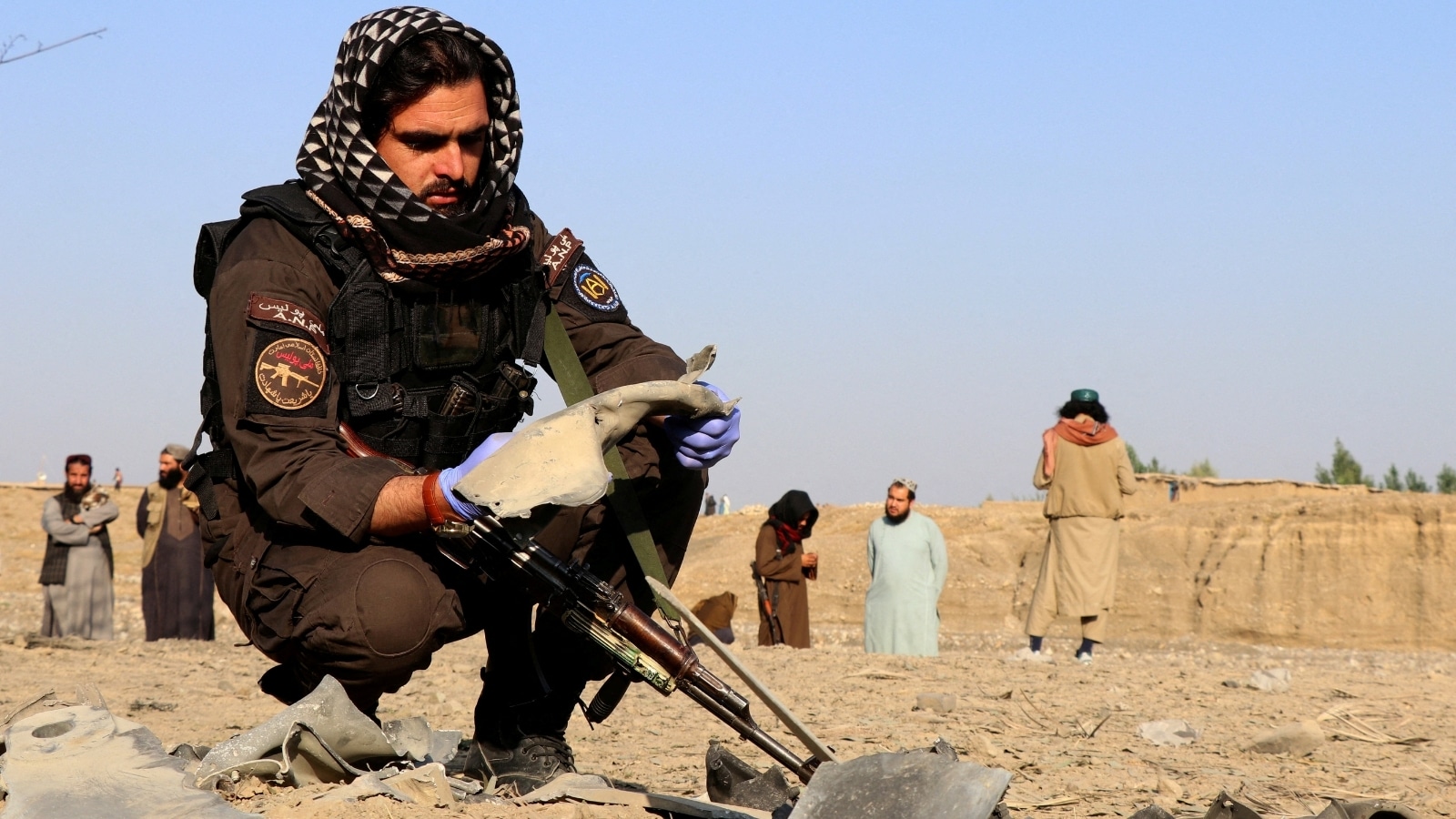
Today, that transactional alliance lies in ruins. The border separating Pakistan and Afghanistan—long defined by colonial-era friction over the Durand Line—has transformed into an active theater of cross-border artillery duels, airstrikes, and mounting casualties. To understand why two former partners degenerated into bitter foes, one must look past the diplomatic platitudes and examine the structural contradiction that was baked into their relationship from the very beginning.
The Tehrik-i-Taliban Pakistan Factor
The immediate catalyst for the rupture is the Tehrik-i-Taliban Pakistan (TTP), an ideological sibling and operational ally of the Afghan Taliban. While the Afghan Taliban fought to capture Kabul, the TTP spent years waging its own brutal insurgency against the Pakistani state, seeking to impose a similar brand of hardline Islamist governance in Islamabad.
When the Pakistani military intensified counterterrorism operations and U.S. drones scoured the tribal agencies during the 2010s, thousands of TTP fighters slipped across the border into Afghanistan. There, they found sanctuary, protection, and ideological kinship among the Afghan Taliban.
When the Afghan Taliban reclaimed power in 2021, the TTP felt intensely emboldened. Thousands of imprisoned militants were released back into the wild during the chaotic transition. Rather than reining in these fighters to appease their benefactors in Islamabad, the Afghan Taliban offered them shelter, viewing them as veterans of the shared jihad who could not simply be handed over to a foreign military.
The cost to Pakistan has been staggering. Security forces and civilians in Pakistan's border provinces face an unrelenting wave of suicide bombings, ambushes, and complex assaults. Islamabad expected loyalty and border management from Kabul; instead, they received a staging ground for a domestic insurgency that claimed hundreds of lives annually.
The Fallacy of Control
The core pathology of Pakistan's historical foreign policy in the region has been the belief that ideological movements can be permanently managed like proxy assets.
When Islamabad demanded that the Afghan Taliban crack down on TTP hideouts or extradite high-value militant commanders, they ran into a wall of ideological solidarity and nationalist pride. The Afghan Taliban operate under a strict interpretation of Pashtun code and religious obligation. Handing over fellow jihadists who fought alongside them against Western coalition forces is viewed within their ranks as an unforgivable betrayal.
Furthermore, the Afghan Taliban are intensely sensitive to accusations of being a Pakistani puppet. To maintain legitimacy among their own hardliners, they must project absolute sovereignty. Publicly bowing to Islamabad's security demands would destroy that illusion. Consequently, every Pakistani reprimand or border closure is met in Kabul with defiant denials of harboring militants and fierce counter-accusations of border violations.
Beyond the TTP: Nationalism and the Border
The friction extends far beyond the TTP. The unresolved status of the Durand Line remains a permanent structural fracture. Successive governments in Kabul—regardless of their political stripe—have historically demurred from formally recognizing the British-drawn border that slices through traditional Pashtun tribal lands.
As Pakistan attempted to fence the entire 2,600-kilometer frontier to stem the flow of militants, it choked off the traditional, informal trade and tribal mobility that local populations relied on for generations. This militarization generated deep economic and social resentment among border communities, providing fertile recruitment ground for both the TTP and anti-state ethnonationalist factions.
Add to this volatile mix the presence of other regional actors, such as Baloch separatists allegedly operating from safe havens across the Afghan frontier, and Islamabad's security nightmare multiplies. Pakistan finds itself fighting a multi-front low-intensity conflict along its western periphery, precisely where it once envisioned absolute security.
The Cost of Strategic Depth
The unraveling of the Islamabad-Kabul axis serves as a sobering historical lesson on the dangers of cultivating non-state actors for geopolitical leverage. The strategic depth that Pakistan sought in Afghanistan has inverted into a strategic liability.
Diplomatic summits, mediation efforts by third parties, and temporary ceasefires have repeatedly collapsed because the underlying divergence is absolute. Islamabad demands the neutralization of a terrorist network that Kabul views as an inseparable part of its ideological fraternity. Until the Afghan Taliban reconcile their governance ambitions with the security demands of their neighbors, the borderlands will remain a zone of permanent friction, proving that proxies built for transient convenience ultimately turn on their creators.
Friction on the Pakistan-Afghanistan Border
This video provides an in-depth look at the complex security dynamics and escalating border tensions between Pakistan and the Afghan Taliban.