The wreckage on an Edmonton roadway is rarely just about metal and glass. It is about a fundamental failure of urban safety systems and the violent disruption of a human life. When a wrong-way driver slams into an unsuspecting commuter, the headlines usually focus on the immediate gore or the traffic delays. They miss the systemic rot. The recent collision involving an Edmonton man now facing a grueling recovery highlights a terrifying reality for Alberta drivers. These are not just "accidents." They are the predictable outcomes of a transit environment where human error meets inadequate infrastructure and a legal system that often treats vehicular assault as a bureaucratic oversight.
Survivors of these head-on collisions do not just walk away. They crawl back toward a semblance of their former lives through months of physiotherapy and the crushing weight of medical bills that insurance companies fight to minimize. The physical trauma is obvious. The hidden cost is the psychological scarring of a city that feels increasingly unsafe behind the wheel.
The Anatomy of a Head On Collision
A vehicle traveling the wrong way on a divided road or a one-way street represents the ultimate breakdown of the driving contract. We trust the yellow lines. We trust the signage. When that trust is violated at 80 kilometers per hour, the physics are unforgiving.
Kinetic energy doubles with mass but quadruples with speed. In a head-on crash, the closing speed is the sum of both vehicles. If two cars are traveling at the speed limit, the impact is equivalent to hitting a stationary brick wall at a velocity that the human frame was never designed to endure. Internal organs continue to move forward even after the ribcage stops. This is how you end up with aortic shears and traumatic brain injuries in people who were wearing their seatbelts.
Edmonton’s layout, with its mix of aging inner-city one-way grids and high-speed ring roads like the Anthony Henday, creates specific pockets of high risk. The "why" behind these incidents usually falls into three categories: intoxication, cognitive decline in elderly drivers, or poor road geometry that confuses motorists during heavy snowfall or nighttime hours.
Why Infrastructure Fails the Average Driver
Go to any major interchange in the city after a heavy winter storm. The "Do Not Enter" signs are often caked in gray slush, rendered invisible to a driver who is already disoriented. The reflective paint on the asphalt has been scraped away by snowplows months ago.
We rely on visual cues that disappear when the weather turns.
The Problem with Standard Signage
Most municipalities follow the manual of uniform traffic control devices. It is a set of rules written decades ago. These standards often fail to account for the "Swiss Cheese Model" of failure—where multiple small errors line up to create a catastrophe. A driver misses one sign because a bus is blocking it. They miss the second because it’s poorly lit. By the time they see the third, they are already in the path of oncoming traffic.
Engineering Solutions That Stay on the Drawing Board
There are ways to stop this. Thermal cameras can detect a vehicle moving the wrong way and trigger flashing LED beacons. Spike strips that only depress in one direction are used in private parking lots but are deemed "too dangerous" for public roads because they might damage the tires of an emergency vehicle. We prioritize the convenience of the few over the lives of the many.
The Myth of the Short Recovery
When the media reports that a victim is "recovering," it creates a false sense of closure. Recovery in the wake of a high-speed impact is a full-time job that pays nothing and costs everything.
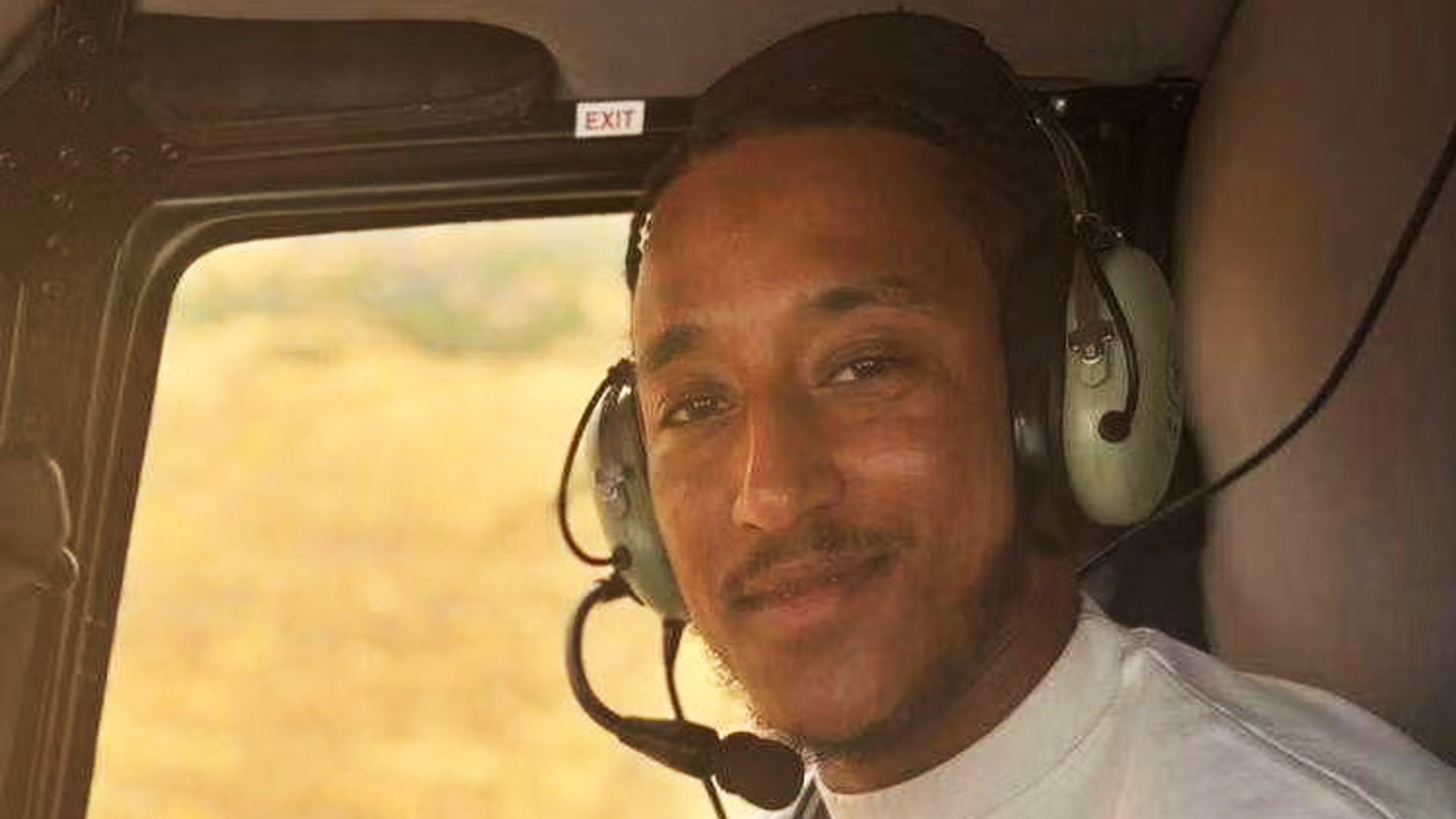
The victim in this case faces a mountain of challenges that go beyond broken bones. There is the "invisible" injury list:
- Post-Concussion Syndrome: Memory loss, light sensitivity, and irritability that can last for years.
- Soft Tissue Devastation: Whiplash that turns into chronic myofascial pain.
- Financial Erosion: The gap between what a disability check provides and what a mortgage requires.
In Alberta, the "minor injury cap" is a constant shadow over these cases. Insurance firms often attempt to categorize significant soft-tissue damage under this cap to limit payouts. It is a cynical calculation. They bet on the victim being too exhausted by their own pain to fight a multi-year legal battle.
Alcohol and the Enforcement Gap
We cannot discuss wrong-way driving in Edmonton without addressing the elephant in the room. Impairment remains the leading cause of these specific types of collisions. Despite decades of awareness campaigns, the rate of impaired driving in Alberta remains stubbornly high compared to other provinces.
The police can only do so much. Checkstops are predictable and easily avoided via social media apps. The real issue is a culture that still views "one too many" as a social hiccup rather than a potential death sentence for a stranger. When a driver enters a ramp the wrong way, they have usually bypassed multiple physical and mental failsafes.
The Legal Aftermath and the Search for Accountability
What happens to the driver who caused the carnage? In many cases, the charges are surprisingly light. Unless there is a fatality, the perpetrator might face a fine and a license suspension. The "intent" isn't there, so the criminal justice system treats it as a lapse in judgment.
But for the man lying in a hospital bed, the "intent" doesn't matter. The result is the same. There is a growing movement among victim advocacy groups to push for "Strict Liability" in wrong-way cases. If you are on the wrong side of the road, the burden of proof should shift. You should be held to a higher standard of accountability because the act itself is so inherently dangerous.
Rebuilding a Life After the Impact
The path forward for an Edmonton crash survivor is rarely linear. It involves re-learning how to trust the road. Many survivors report a paralyzing fear when they see headlights approaching them at night, even if the other car is in its proper lane. This is a form of PTSD that isn't solved by a cast or a bottle of painkillers.
Community support is vital, but it is not a substitute for systemic change. We need to demand better.
- Enhanced Lighting: Every major off-ramp in the city should be lit like a stadium.
- Lowered Signage: Research shows that impaired or confused drivers tend to look down at the road, not up at overhead signs. Placing "Wrong Way" markers lower to the ground increases the chance of them being seen.
- Mandatory Tech: Newer vehicles have lane-keep assist, but we need "wrong-way" alerts to be standard in GPS units and car interfaces.
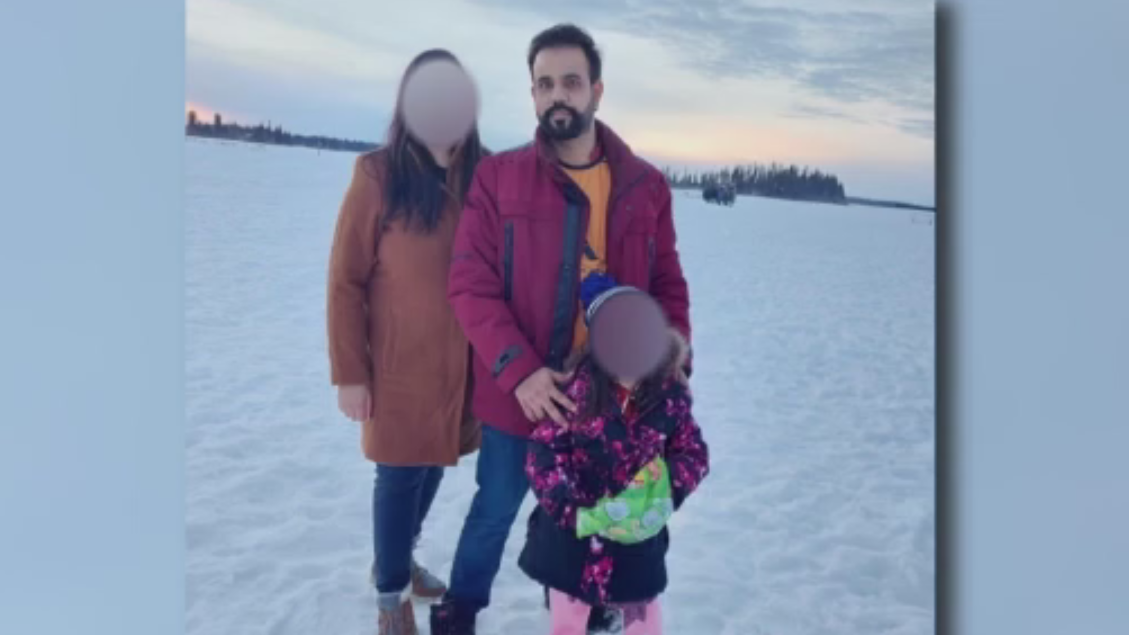
The man recovering today is a reminder that any of us could be in that position tomorrow. We pay our taxes and we follow the rules of the road with the expectation that the system will protect us. When a wrong-way driver shatters that expectation, the city owes more than just a news blurb and a cleared lane. It owes a transformation of the very asphalt that failed him.
Check your mirrors. Watch the ramps. The lines on the road are thinner than you think.