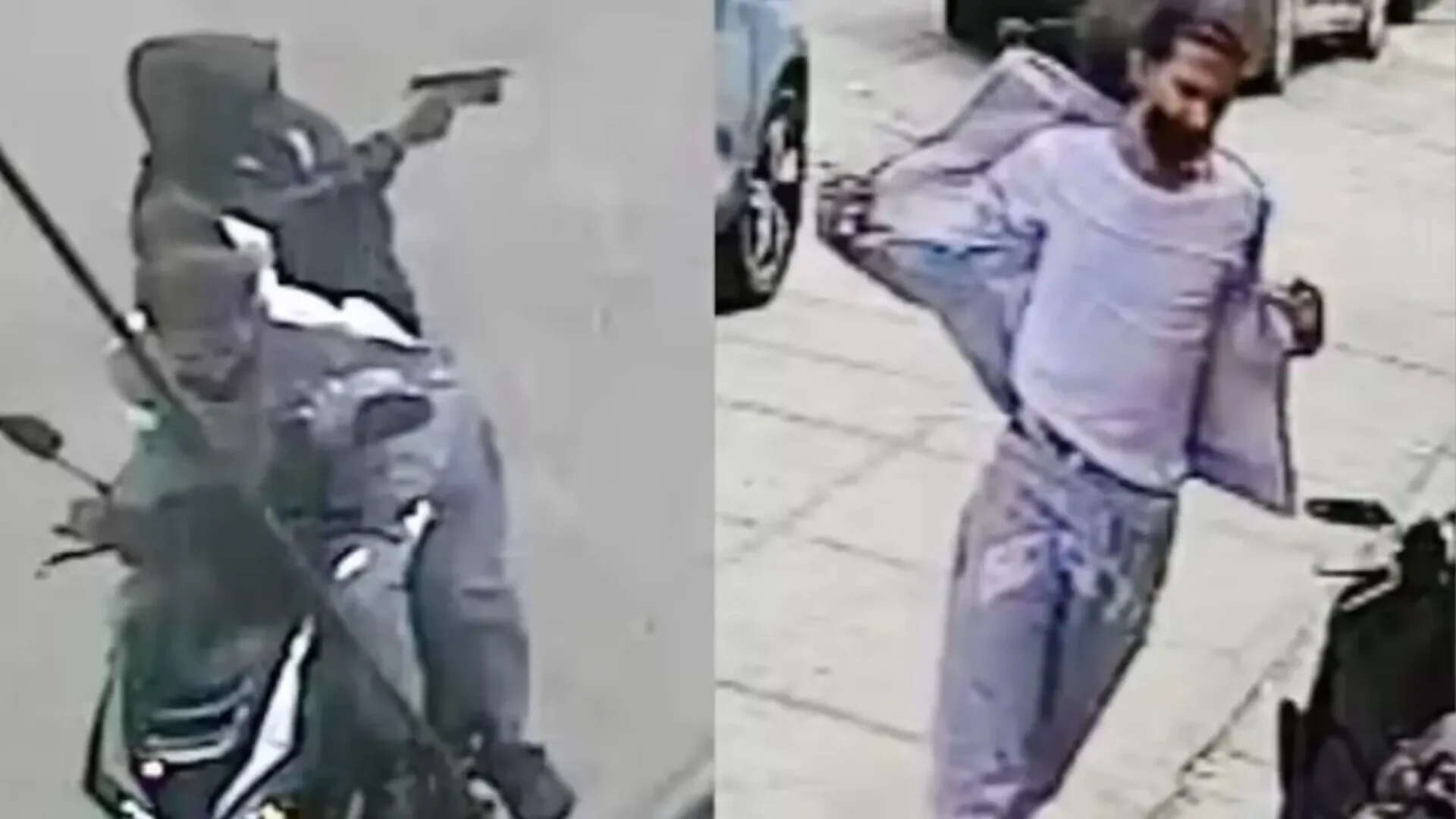
Justice is finally moving forward in a case that stopped New York City's heart. A 21-year-old man now faces murder charges for the Brooklyn shooting that killed a 7-month-old infant and wounded his toddler brother. It's the kind of story that makes you want to look away, but we can't. When a single bullet travels through a wall and hits two children under the age of three, it isn't just a crime. It's a systemic failure that demands our full attention.
The tragedy happened in the Brownsville neighborhood, an area that's seen its share of struggle but nothing quite as gut-wrenching as this. Police say the suspect, now in custody, opened fire during a dispute that had nothing to do with the victims. The 7-month-old boy was struck in the chest and didn't survive. His 2-year-old brother was hit in the leg by that same projectile. One piece of lead changed a family's history forever.
Why the Brooklyn Shooting Suspect is Facing Murder One
Legal experts and local residents are watching this case closely because of the specific charges being leveled. The 21-year-old suspect isn't just looking at manslaughter. Prosecutors are pushing for murder charges because of the "depraved indifference" shown during the incident. When you fire a weapon into a residential space, you're signaling that you don't care who lives or dies.
That’s the core of the legal argument here. It doesn't matter if the shooter didn't "mean" to hit the kids. In New York, if your actions create a grave risk of death to another person and you do it anyway, the law catches up with you fast. The NYPD worked this case around the clock. They used a combination of surveillance footage, witness statements, and ballistic evidence to track the suspect down within days.
People often ask why these arrests take time. It's about building a case that won't fall apart in court. If the DA's office misses one detail, a violent offender walks. Nobody in Brooklyn wants to see that happen here. The community is tired. They’re fed up with the "wrong place, wrong time" excuse. If you're the one pulling the trigger, you're the one making the place "wrong."
The Reality of Collateral Damage in Urban Areas
We need to talk about what "collateral damage" actually looks like. It’s a sterile term for a horrific reality. In this Brooklyn shooting, the 7-month-old was simply existing in his own home. He was in a place where he should have been safest.
Statistics from the Gun Violence Archive and local NYPD precincts show a disturbing trend. While overall crime numbers might fluctuate, the instances of "stray" bullets hitting non-intended targets remain a persistent threat in high-density housing. Brownsville has long dealt with the fallout of being a "high-needs" area. When conflict resolution involves a firearm, the physics of the bullet don't care about the age of the person on the other side of the wall.
This isn't just a police issue. It's a housing issue and a mental health issue. We have families living in buildings where the walls are essentially paper against modern caliber rounds. It's honestly terrifying. You're sitting on your couch, or you're putting your kids to bed, and the world outside decides to bleed in.
Accountability Beyond the Arrest
While the 21-year-old shooter is the one behind bars, the conversation in Brooklyn is shifting toward broader accountability. How did he get the gun? Why was the dispute allowed to escalate to this point? These are the questions that keep community leaders up at night.
The NYPD’s 73rd Precinct, which covers Brownsville, has been under intense pressure to increase patrols. But residents will tell you that more boots on the ground isn't a magic fix. You can't have a cop in every hallway. You need a culture shift. You need people to feel like they have options other than violence.
The arrest brings some level of closure, sure. But it doesn't bring back a 7-month-old child. It doesn't heal the trauma of a 2-year-old who now has a scar and a memory that will likely haunt his development. The legal system is designed to punish, but it’s not very good at repairing.
Tracking the Case as It Moves to Trial
If you’re following this case, expect a long road. The grand jury process and the subsequent pre-trial hearings will take months, if not years. New York’s discovery laws mean the defense will have access to every shred of evidence the police gathered. This includes body cam footage from the responding officers who tried to save the infant’s life.
The 2-year-old brother is expected to recover physically, but the psychological impact is a different story. This is a family that has been effectively destroyed. They aren't just victims of a crime; they’re survivors of a war zone that exists in the middle of a major American city.
Public sentiment is heavily leaning toward a maximum sentence. There’s very little sympathy for the "young and reckless" defense when a baby is in a casket. The suspect’s history will be picked apart. Every social media post, every previous run-in with the law, and every connection to local gangs will be scrutinized by the DA to prove a pattern of violence.
What This Means for Brooklyn Gun Policy
Expect this Brooklyn shooting to be a focal point for upcoming policy debates. Lawmakers are already using this tragedy to argue for stricter "microstamping" laws for ammunition and more aggressive interventions in public housing security. They want to make it harder for these guns to circulate and easier to track them when they do.
Some folks say the laws are already tough enough and we just need to enforce them. Others argue that as long as guns flow in from states with laxer rules, Brooklyn will keep burying its children. Both sides have points, but the debate feels hollow when you look at the photos of the victims.
The immediate focus remains on the grieving family. Support funds have been set up, and local vigils continue to draw hundreds. It’s a display of solidarity, but it’s also a display of collective grief. The borough is tired of being known for these headlines.
Next Steps for Community Safety
If you want to actually do something instead of just reading and feeling bad, there are ways to engage. Supporting organizations like Man Up! Inc. or Save Our Streets (S.O.S.) Brooklyn is a start. These groups work on the ground to mediate conflicts before they turn into shootings. They’re the ones doing the hard work that doesn't always make the news.
Stay informed on the court dates for the 21-year-old suspect. Public pressure ensures these cases don't get buried in a backlogged system. Show up to community board meetings. Demand better lighting and security in NYCHA complexes. Don't let the names of these children be forgotten once the news cycle moves on to the next tragedy. Action is the only thing that justifies our outrage.
The Brooklyn DA’s office will likely provide updates on the indictment within the coming weeks. Keep an eye on local reports to see if additional charges are added as more evidence from the ballistic reports comes back. The legal process is slow, but in a case this high-profile, the eyes of the city are a powerful motivator for the state to get it right.



