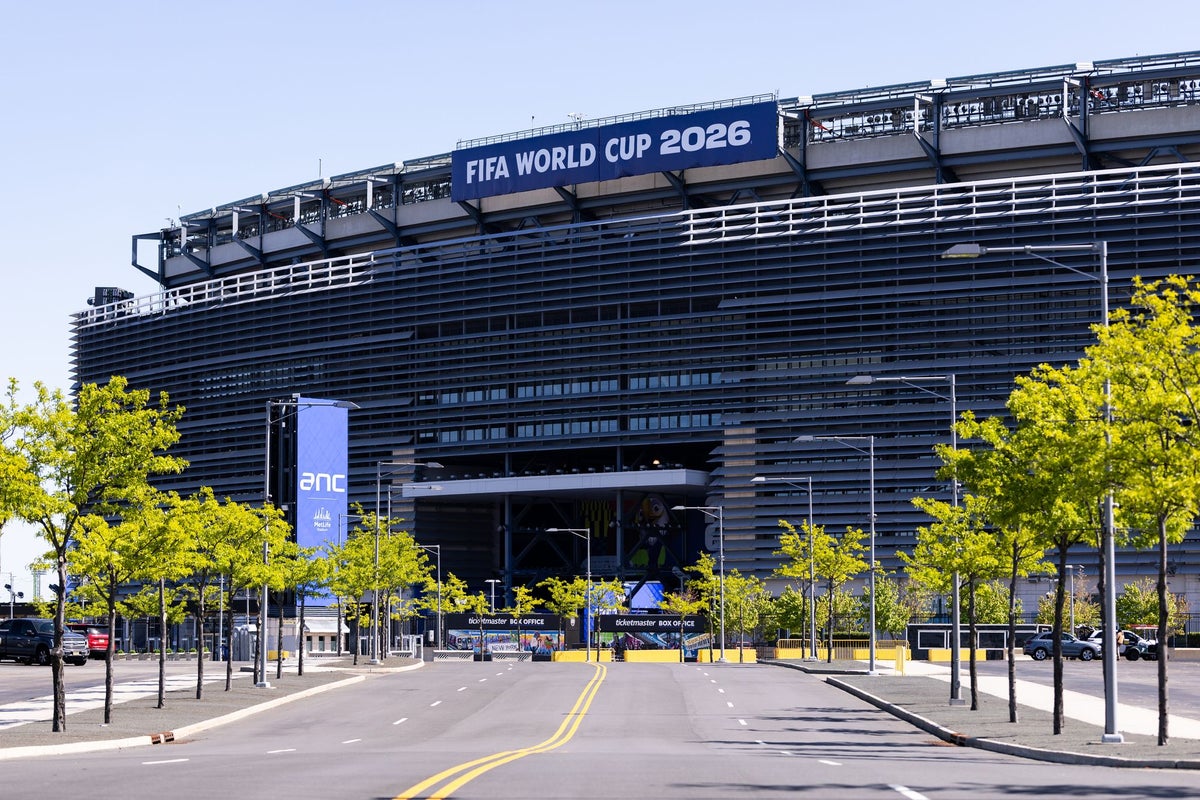
The lights flared open at the Estadio Azteca, masking a deeper reality of debt and displacement. While international broadcasts captured a choreographed spectacle of fireworks and dancing to mark the opening of the 2026 World Cup, the true story of Mexico City’s preparation lies in the surrounding neighborhoods of Santa Ursula and Huipulco. This tournament was pitched to local citizens as an economic windfall that would modernize infrastructure. Instead, the reality reveals a starkly different ledger where public funds shielded private stadium owners from risk while neighborhood businesses faced forced closures to make way for security corridors.
FIFA needed a historic backdrop. They chose a venue that had already hosted two World Cup finals, betting heavily on nostalgia to carry the opening match. But nostalgia is an expensive commodity, and the bill has been systematically shifted onto the public.
The Mirage of Stadium Modernization
Upgrading a fifty-year-old concrete colossus to meet modern luxury suite standards requires immense capital. Early promotional materials suggested that private investment from stadium ownership and corporate sponsors would fully fund the extensive renovations. That promise fractured quickly under the weight of FIFA’s strict compliance checklists.
To secure the opening match, the stadium required overhaul engineering. This included installing advanced fiber-optic networks, completely rebuilding the media center, and replacing standard seating with high-yield hospitality zones. When the initial private budgets fell short, municipal resources were quietly reallocated to handle the surrounding infrastructure. Road networks leading to the venue were reprioritized over long-delayed transit repairs in the city’s eastern sectors.
Water scarcity compounded the tension. Mexico City faces a chronic, systemic water crisis, with multiple neighborhoods rationing supply weekly. During the peak renovation phase, residents in the immediate vicinity of the stadium reported unprecedented drops in water pressure. Tankers were routinely spotted entering the stadium grounds, ensuring the pitch remained pristine while local household taps ran dry. The contrast was impossible to ignore.
Economic Displacement on the Periphery
Step outside the security perimeter and the economic friction becomes tangible. For decades, a informal economy of food vendors, merchandise sellers, and family-run storefronts thrived around the stadium gates. They were the financial lifeblood of the neighborhood.
Under the guise of security and brand protection, municipal authorities instituted a strict exclusion zone extending several blocks from the stadium. Only official FIFA partners and businesses with expensive temporary permits were allowed to operate. Local merchants were pushed to the margins, far away from the foot traffic of international tourists.
- Over three hundred informal vendors were barred from their traditional spots.
- Family-owned restaurants were forced to close temporarily if they could not comply with sudden, costly aesthetic upgrades mandated by local code enforcement.
- Private security firms hired for the tournament restricted pedestrian access for actual residents, effectively locking them out of their own commercial streets.
The argument for hosting major sporting events always centers on the long-term tourism boost. Yet, historical data from previous tournaments shows that international visitors largely stick to high-end hotel districts like Polanco and Reforma. They utilize dedicated transit shuttles, bypassing the local economy entirely. The money enters the city, but it pools in very specific, already wealthy corporate hands.
A Legacy of Unequal Infrastructure
The city's transit system presents the most glaring discrepancy. Millions of daily commuters rely on a metro system plagued by maintenance delays and safety concerns. Yet, the light rail line servicing the stadium received immediate, aggressive funding injections to guarantee flawless service for international ticket holders.
New train cars were deployed, stations were repainted, and security personnel were doubled along the stadium route. While this created a smooth experience for foreign fans, the surrounding transit lines used by workers remained slow and overcrowded. The infrastructure spending was targeted entirely at the visitor experience rather than structural utility for the tax-paying public.
It is a pattern seen globally, but magnified here by intense economic disparity. Public debt incurred for these rapid cosmetic upgrades will linger on the city's books for years. This diverts funds from critical public services, healthcare, and education long after the tournament ends and the crowds disperse.
The Reality Behind the Tourism Numbers
Proponents point to surging hotel occupancy rates as proof of success. The numbers look impressive on paper, but they obscure the net economic drain. High room rates during the tournament artificially inflate short-term GDP figures while driving out regular business travelers and domestic tourists who cannot afford the spike in prices.
Furthermore, a significant portion of the revenue generated by ticket sales and international broadcasting rights leaves the country immediately. FIFA operates under sweeping tax exemptions negotiated as a condition for hosting the tournament. The host city bears the operational costs of policing, sanitation, and crowd control, while the core profits are funneled back to Zurich.
The neighborhood of Santa Ursula remains largely unchanged beneath the temporary banners and fresh paint. Once the final whistle blows and the international media packs up its cameras, the security fences will come down to reveal a community that paid for a party it was never invited to attend. The stadium stands modernized, its luxury boxes filled, while the surrounding streets inherit the debt of a three-week spectacle. Cities bidding for future tournaments must look past the glittering opening ceremonies and demand a transparent audit of who actually profits when the circus comes to town.