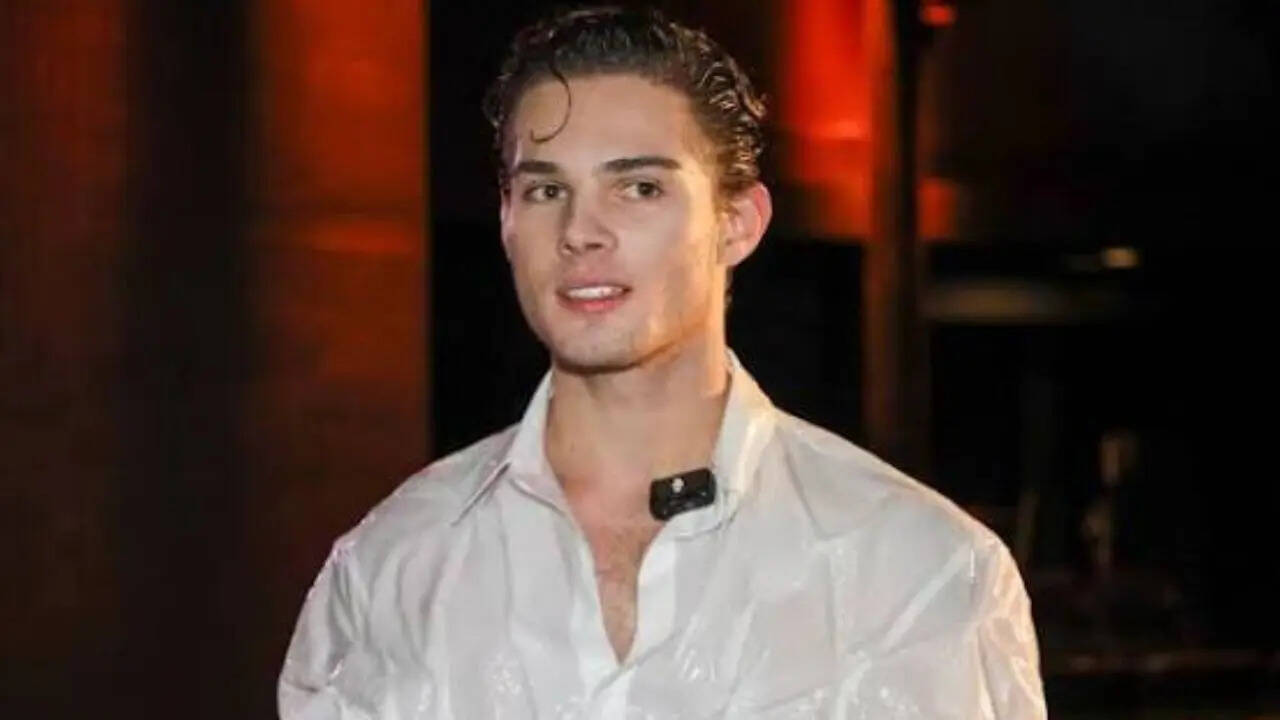
The recent collapse of Kick streamer Clavicular after being placed in a chokehold during a live broadcast is not an isolated lapse in judgment. It is the logical conclusion of a platform ecosystem built on high-stakes physical escalation. While viewers watched in real-time as the streamer lost consciousness, the incident highlighted a massive failure in the live-streaming safety net. The footage, which spread across social media within minutes, shows a clear lack of immediate intervention from moderation teams, proving once again that when the pursuit of "clout" meets a lack of oversight, the results are physically dangerous.
The incident occurred during a "subathon," a marathon streaming format where viewers pay to keep the broadcast running. In this high-pressure environment, creators often feel compelled to perform increasingly risky stunts to maintain audience retention. Clavicular was seen engaging with another individual who applied a rear-naked choke. Within seconds, the streamer’s body went limp. He slumped to the ground while the camera continued to roll, capturing the chilling silence of a person unconscious on a global stage.
The Anatomy of an Unregulated Subculture
Kick entered the market as the "edgy" alternative to Twitch, promising creators more freedom and a larger share of the revenue. This business model successfully attracted names seeking to escape the strict content guidelines of more established platforms. However, that freedom comes with a hidden tax. When you remove the guardrails, you don't just get more creative expression; you get a race to the bottom where physical harm becomes a viable currency for engagement.
The "man-o-sphere" and "IRL" (In Real Life) streaming circles on the platform have long flirted with violence. We have seen everything from organized street fights to targeted harassment campaigns, all broadcast with a "wild west" branding that the platform uses to distinguish itself. The chokehold incident was a predictable outcome of this culture. It wasn't a freak accident. It was the byproduct of an environment that rewards bravado and punishes caution.
Why Moderation Failed in Real Time
In a traditional broadcast setting, a "kill switch" exists. In modern live streaming, the delay is often too long to prevent the trauma of a live audience watching someone potentially die. Kick’s moderation has been criticized for being reactive rather than proactive. By the time a stream is flagged, reviewed, and shut down, the clip has already been digitized and distributed across X and TikTok.
The problem is technical as much as it is philosophical. AI-driven moderation tools are excellent at catching copyrighted music or specific banned words, but they struggle to interpret the nuances of physical danger. A chokehold looks like a hug or a wrestling match to a basic algorithm. Human moderators, often overworked and under-trained for medical emergencies, are the only real line of defense. In this case, that line was nonexistent.
The Economics of Physical Risk
To understand why a streamer would agree to be choked out for a digital audience, you have to look at the math. In the creator economy, attention is a finite resource. As the market becomes saturated, the "price" of a viral moment goes up. Five years ago, an edgy joke might have sufficed. Today, you need blood, a police presence, or a medical emergency to break through the noise of the algorithm.
Clout is a speculative asset. Streamers like Clavicular are often young men who view physical safety as a secondary concern to brand growth. They are operating under the belief that one viral moment of "going viral for the wrong reasons" is better than a year of steady, safe growth. The platform benefits from the traffic these incidents generate, creating a perverse incentive structure where the house always wins, regardless of whether the creator ends up in the hospital.
The Liability Gap
Legally, platforms often hide behind Section 230 of the Communications Decency Act, arguing they are merely the "conduit" for the content, not the publisher. This legal shield is currently the only thing preventing a massive wave of litigation against companies that host dangerous stunts. However, the tide is turning. As these incidents become more frequent and more severe, the argument that a platform is "unaware" of the culture it actively markets becomes harder to maintain in a courtroom.
If a nightclub allowed patrons to engage in unsanctioned MMA fights on the dance floor, they would be shut down in a heartbeat. Why does a digital platform with millions of "patrons" get a pass? The distinction between digital space and physical space is blurring, yet our regulatory frameworks are stuck in 1996.
The Psychological Toll on the Audience
We cannot ignore the millions of young viewers who witnessed this event. Live streaming creates a "parasocial" relationship, where the viewer feels a personal connection to the creator. Watching that creator lose consciousness creates a genuine traumatic response in the audience.
- Desensitization: Constant exposure to "prank" violence makes actual violence harder to identify.
- Bystander Effect: In a chat room with 20,000 people, everyone assumes someone else is calling for help.
- Normalization: Younger viewers begin to see physical endangerment as a standard career path for online success.
This isn't just about one guy who got choked out on a couch. It's about a generation being trained to view human suffering as a "W" or "L" in a chat box. When the streamer collapsed, the chat wasn't filled with calls for 911; it was filled with "LUL" and "RIP" emojis. The dehumanization is complete.
Moving Beyond the Ban Hammer
Simply banning Clavicular or the individual who choked him is a superficial fix. It is the "whack-a-mole" strategy of platform management. To actually solve the crisis, Kick and its competitors need to implement structural changes that make violence unprofitable.
Hard Thresholds for IRL Streaming
Platforms need to enforce strict "No Physical Contact" rules for IRL broadcasts. If two people are seen engaging in a physical struggle, the stream should be automatically paused until a human moderator can verify the safety of the participants. This would kill the "vibe" of the stream, which is exactly the point. If you make it impossible to broadcast the violence, the incentive to perform it vanishes.
Financial Penalties and Escrow
One radical solution involves putting a portion of a streamer's earnings into a "conduct escrow." If a creator violates safety protocols or engages in life-threatening stunts, they lose their payout for that month. Money is the only language these platforms and creators truly speak. If you hit the wallet, you change the behavior.
The Clavicular incident is a warning shot. We are moving toward a reality where someone will eventually die during a subathon while a chat room watches in 4K. The technology to stream is light-years ahead of the ethics required to manage it. If the industry doesn't self-regulate, and do it with teeth, the government will eventually do it for them, and nobody will like the result.
The era of the "unfiltered" stream is dead. What we have now is a gladiatorial arena where the only thing being "disrupted" is human safety. It is time to stop treating these incidents as "content" and start treating them as the public health hazards they are. Demand better from the platforms you frequent. Stop rewarding the crash and start valuing the creator.
The broadcast ended, but the damage to the industry’s reputation is permanent. Every time a streamer hits the floor, the case for heavy-handed regulation gets stronger. Creators who value their careers and their lives need to recognize that the pursuit of a viral moment isn't worth a permanent exit. Stop clicking on the carnage.


