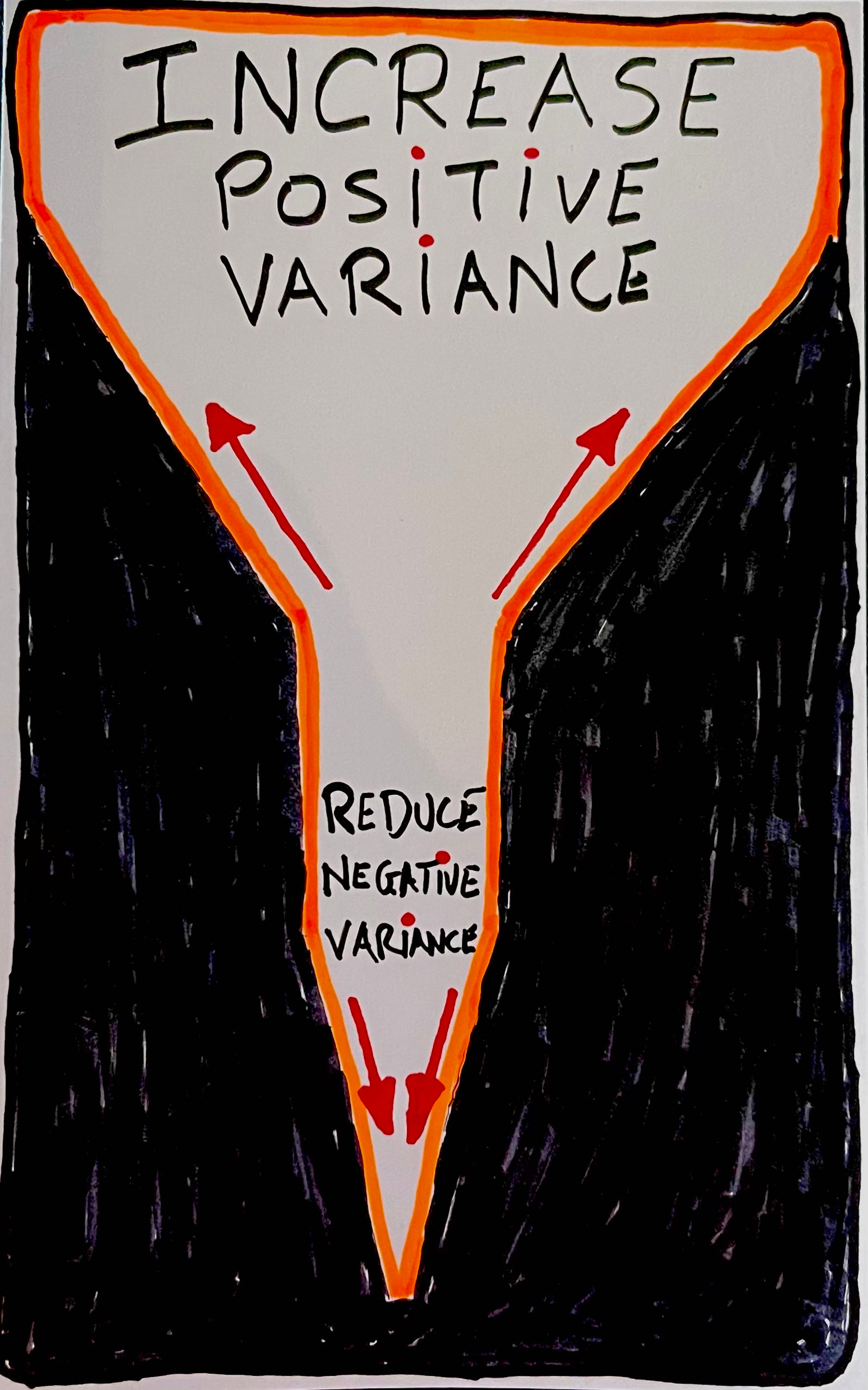
Arne Slot is currently walking a tightrope that few managers in the history of the Premier League have ever successfully navigated. He isn’t just replacing a manager; he is replacing a culture, a personality, and a specific brand of emotional football that defined Liverpool for a decade. While surface-level analysis suggests a trophy like the FA Cup provides the job security he needs, the reality of modern elite football is far more cold-blooded. For Slot, silver hardware is a secondary metric. The true measure of his survival at Anfield rests on structural evolution and his ability to prove that the "heavy metal" era wasn't the only way for this club to win.
The FA Cup is often framed as a "job-saver," but history suggests it is actually a frequent precursor to a sacking. Louis van Gaal was dismissed by Manchester United with the trophy still sitting on the dressing room floor. Antonio Conte won it at Chelsea and was out of a job shortly after. For a club with Liverpool's current commercial and competitive footprint, a domestic cup is a garnish, not the main course. Slot's security is tied directly to Champions League consistency and the technical transition of a squad that was built for his predecessor's chaotic, high-pressing system.
The Myth of the Cup as a Shield
There is a romantic notion in English football that winning at Wembley buys a manager time. It is a sentiment rooted in the 1990s, an era when a single trophy could define a successful season regardless of league position. In the current era of state-backed clubs and the hyper-inflated economy of the Champions League, that logic has collapsed.
For the FSG ownership group, the financial floor is top-four qualification. Everything else is a bonus. If Slot wins the FA Cup but finishes sixth, the internal pressure will become untenable. The reason is simple: the drop in revenue from missing out on Europe's premier competition creates a deficit that an FA Cup win cannot bridge. We are seeing a shift where the "process" is valued more than a knockout tournament run that can be influenced by a lucky draw or a single officiating error.
Slot is being judged on his tactical flexibility. Under the previous regime, the team relied on a specific type of intensity that was physically exhausting. Slot’s mission is to move toward a more controlled, possession-based style that preserves the players' longevity. If he fails to implement this tactical shift, a trophy in May won't stop the boardroom from wondering if he is the right man for the long-term project.
Tactical Transition and the Burden of Identity
The biggest hurdle Slot faces isn't the opposition on the pitch; it’s the ghost of the system that came before him. Liverpool spent years perfecting a transition-heavy style that thrived on turnovers. Slot prefers a more measured build-up. This creates a friction point within the squad.
- The Midfield Balance: Players recruited for a high-intensity press are now being asked to show patience and positional discipline.
- The High Line Risk: Maintaining a high defensive line without the same level of forward pressure is a dangerous gamble that has already exposed the back four in key moments.
- Squad Depth: The lack of significant summer investment means Slot is working with a group of players whose muscle memory is programmed for a different manual.
If Slot tries to force a technical revolution too quickly, he risks losing the dressing room. If he goes too slowly, he looks like a watered-down version of what came before. This is the "transition trap." Fans will tolerate a lack of trophies if they see a clear, evolving identity. They will not tolerate a lack of identity, even if it comes with a domestic cup.
The Financial Reality of the Modern Tenure
To understand why Slot’s job security is so fragile, one must look at the balance sheets. The gap between the Premier League's top tier and the rest is widening, but the cost of staying at the top is also skyrocketing. Liverpool operates on a self-sustaining model that doesn't allow for the "boom and bust" cycles seen at other clubs.
Every season without Champions League football costs a club roughly £70 million to £100 million in direct revenue and indirect commercial bonuses. No FA Cup prize pool comes close to covering that hole. Therefore, the owners aren't looking at the trophy cabinet when they evaluate a manager’s performance in December or January. They are looking at the projected league table for May.
Slot was hired because he was perceived as a "head coach" who could work within a rigid sporting director model. This means he has less autonomy than the man he replaced. When a manager has less power, they are easier to replace. This is the cold truth of the modern executive structure. He is a part of a machine, and if the machine isn't producing the primary product—top-flight European football—the part is swapped out.
Why the FA Cup Might Actually Hurt Him
There is a specific danger in a deep cup run for a manager under pressure. It creates a scheduling congestion that can sabotage league form. We have seen it repeatedly: a mid-sized squad pushes for a trophy, suffers three key injuries in a midweek quarter-final, and then drops six points in the league against beatable opposition.
For Slot, the FA Cup represents a potential distraction from the fundamental task of fixing the team's defensive structure. If he rotates heavily and goes out early, the media will crucify him for "disrespecting tradition." If he plays his best XI and loses a star winger to a hamstring tear, he jeopardizes the only thing that actually keeps him in the job: the top four. It is a lose-lose scenario for a man still trying to prove he belongs at this level of the game.
The internal metrics used by the club probably show a different story than the one fans see. Data analysts are looking at "expected goals" against, ball retention in the final third, and recovery times. These numbers tell the board if Slot’s "system" is working long before a trophy is hoisted.
The Shadow of the Elite Alternatives
No manager works in a vacuum. Slot is also being judged against the availability of other elite coaches. The European coaching carousel is spinning faster than ever. When world-class names become "available," the pressure on an incumbent who is underperforming—even slightly—becomes immense.
If a legendary figure or a bright young tactical mind becomes a free agent, Slot’s FA Cup run becomes irrelevant. The board will ask: "Who gives us the best chance of winning the league in the next three years?" That is a much higher bar than "Who can win five games in a knockout tournament?"
Slot’s survival depends on his ability to make the fans and the board forget about the past. He has to stop being the "successor" and start being the "architect." This requires a level of ruthlessness in the transfer market and a willingness to bench underperforming veterans who were once untouchable.
The Tactical Solution to Job Security
To move beyond the "cup or bust" narrative, Slot must solve the problem of defensive transition. Liverpool has become too easy to play through. The gap between the midfield and the defense is a chasm that savvy tactical managers are exploiting.
- Compactness over Chaos: Slot needs to sacrifice some of the attacking flair to ensure the team isn't bypassed in two passes.
- Personnel Evolution: There are players in the current squad who simply do not fit a control-based system. Moving them on is a prerequisite for success.
- Communication: He must manage the expectations of a fan base that is used to "miracles." If he can sell a vision of sustainable winning, he buys himself the time that a trophy won't.
The FA Cup is a glorious tournament with a rich history, but it is no longer a lifeline for a manager at a top-six club. It is a celebration of a season well-played, not a rescue raft for a sinking ship. If Arne Slot wants to stay in the job, he needs to win the battle of the spreadsheet, the battle of the tactics board, and the battle of the league table.
Watch the way the team reacts after losing possession in the next few weeks. If they continue to look disorganized and frantic, no amount of cup magic will save Slot from the inevitable conclusion that the shoes he stepped into were simply too large for his current stride. Success at this level is about the absence of failure in the mundane, weekly grind of the league.
Build a structure that survives a bad bounce of the ball or a referee's whistle. That is how you keep a job in the modern Premier League.