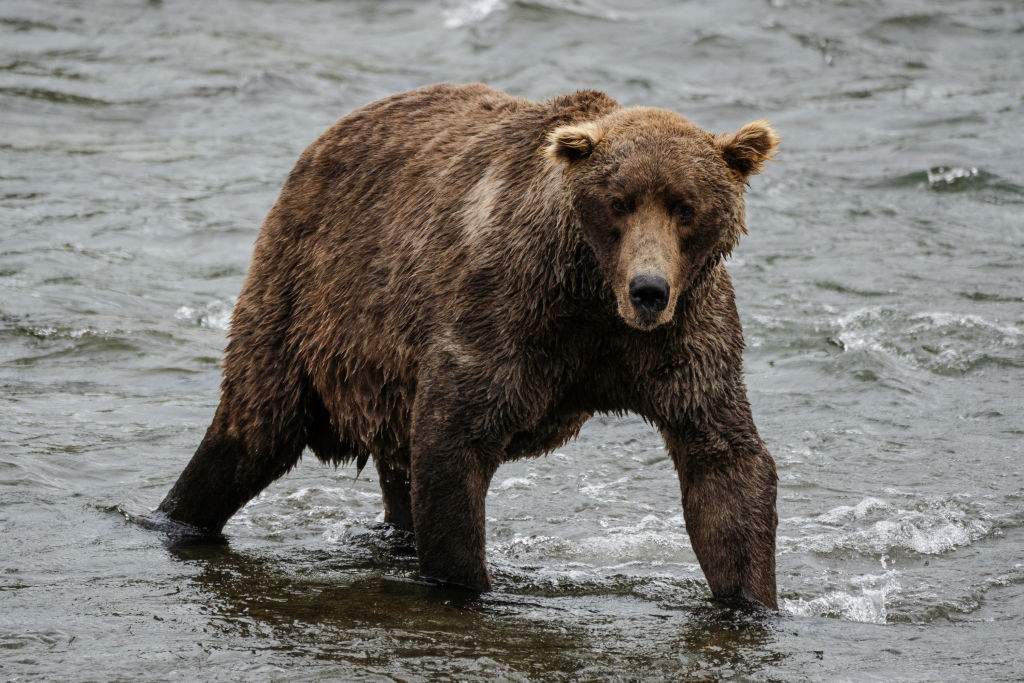
Every autumn, millions of internet users log on to vote in a single-elimination tournament celebrating oversized brown bears gorging on Alaskan salmon. Fat Bear Week, hosted annually by Katmai National Park and Explore.org, appears on the surface to be a harmless digital distraction—a wholesome bracket matching plump coastal titans against one another until a single champion is crowned. Yet beneath the viral memes and casual internet commentary lies a masterclass in modern ecological marketing. This tournament is not merely an online popularity contest. It is a calculated exercise in biological storytelling that disguises the brutal realities of wildlife survival behind a veneer of internet-friendly entertainment.
To understand why Fat Bear Week works as a cultural phenomenon, one must first look past the humor and examine the sheer physiological violence of the process it celebrates. Brown bears at Brooks River in Katmai National Park are subjected to an intense biological imperative known as hyperphagia. As summer transitions to autumn, these animals exist in a state of ceaseless, ravenous hunger. They must consume enough biomass to pack on hundreds of pounds of fat, which will serve as their sole source of energy during a winter hibernation lasting up to half a year. During this fasting period, a bear can lose up to a third of its total body weight. Failure to reach critical mass isn't just an inconvenience; it is a death sentence. In similar news, read about: The Hollow Rhetoric Behind Washington and Tehran’s High Stakes Diplomatic Theater.
The tournament format turns this biological scramble into a spectator sport by tracking individual bears over months. Viewers watch the same animals return year after year via live webcams, learning their identification numbers and distinct behavioral quirks. They watch veteran heavyweights like 747 or past champions like Grazer dominate prime fishing spots at Brooks Falls. When before-and-after photographs are published side by side, the transformation is staggering. Rib cages and hip bones vanish beneath expanding rolls of blubber, transforming lean, agile predators into massive cylinders of fur and fat.
However, the glossy presentation of Fat Bear Week often masks the precarious environmental baseline that makes these transformations possible. The entire spectacle rests on a single, fragile foundation: an uninterrupted abundance of sockeye salmon. Katmai hosts some of the last truly intact, healthy salmon runs on earth, protected within a vast wilderness. If those runs fail due to warming water temperatures, industrial disruption, or habitat degradation, the bears will not get fat. The viral enthusiasm surrounding the tournament rarely confronts the reality that these thriving ecosystems are the exception globally, not the rule. Celebrating fat bears without acknowledging the ongoing political and industrial threats to Alaskan watersheds is like admiring a skyscraper while ignoring the shifting sand beneath it. TIME has analyzed this important subject in great detail.
Moreover, the humanization of these animals through a voting bracket introduces administrative and ethical friction. As the stakes of the digital tournament have grown—pulling in well over a million votes annually—the competition has increasingly collided with the unpredictable nature of wild ecosystems. Incidents such as voting irregularities, intense online fandom campaigns, and rare, brutal displays of intra-species aggression captured live on park webcams remind observers that these are wild apex predators, not cartoon mascots. When a dominant bear kills another on camera or voters attempt to manipulate polling outcomes, the dissonance between cute internet culture and harsh biological reality snaps sharply into focus.
Yet, this friction is precisely why the initiative succeeds where traditional conservation outreach often falters. Standard environmental messaging relies heavily on tragedy, presenting audiences with a relentless stream of melting ice caps, shrinking habitats, and disappearing species. Fatigue sets in quickly when every piece of news demands grief or guilt. Fat Bear Week inverts this psychological model entirely. It hooks the public through success. It invites people to care about an animal because they have watched it thrive, hunt, and grow.
The transition from passive viewer to active conservationist is rarely direct, but the bridge built by these webcams and brackets proves remarkably durable. When people invest emotional energy into the survival of an individual bear, they indirectly invest in the protection of the river that feeds it and the park that shelters it. The genius of the event lies in its ability to smuggle rigorous ecology past the defenses of an exhausted digital public, using the simple, universal appeal of an obscenely heavy animal to secure a broader mandate for wild places.