You have the cash. You have the flights booked. You are ready to scream your lungs out for your favorite J-pop idol, K-pop bias, or global superstar. There's just one massive problem standing in your way: the chusen.
Unlike in Western countries, where getting a ticket is a stressful battle of who can click a button the fastest on Ticketmaster, Japan plays by entirely different rules. It operates on a blind lottery system. You apply, you wait weeks, and you usually get a polite rejection email.
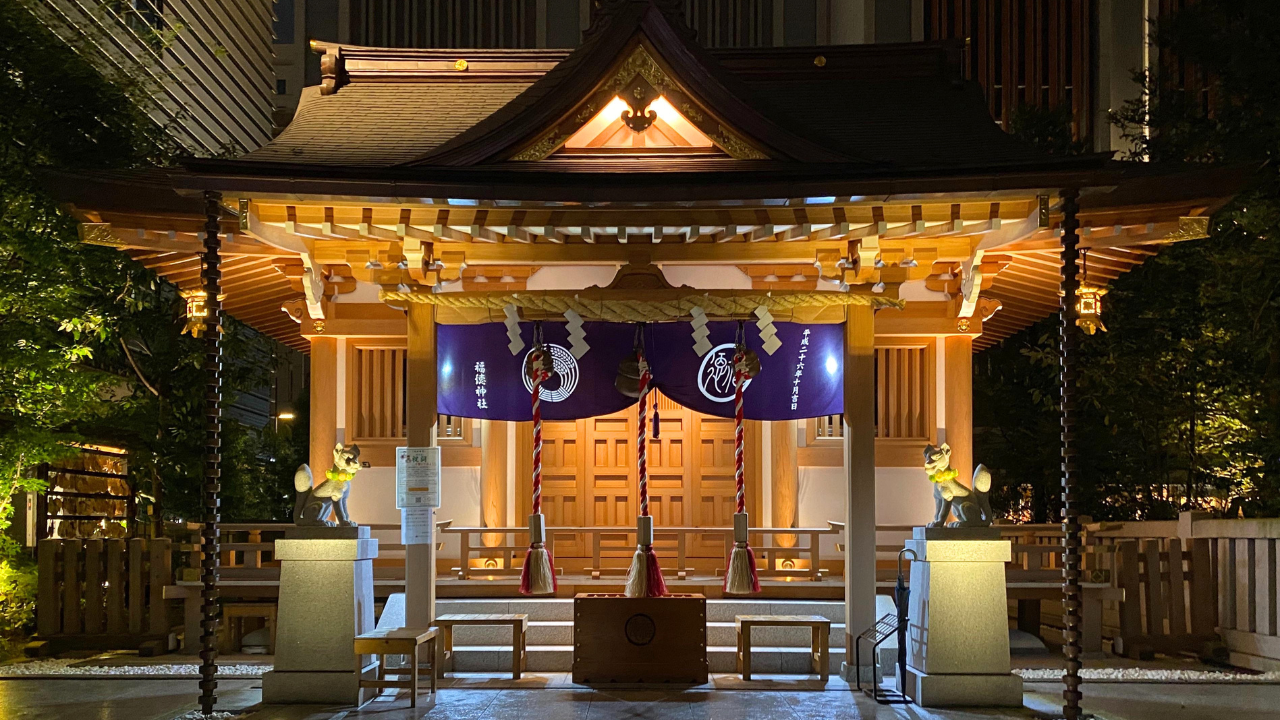
It turns out that desperate fans aren't just relying on multiple credit cards and fan club memberships anymore. They are taking their desperation to the spirit world. Specifically, to a tiny pocket of land surrounded by massive, gleaming skyscrapers in Tokyo's hyper-modern Nihonbashi financial district.
This is Fukutoku Shrine, a spiritual powerhouse dating back to AD 860. It has become the unofficial headquarters for music fans begging the Shinto gods for a miracle.
Why Japan's Concert Ticketing System is a Nightmare for Fans
If you've never tried to buy a concert ticket in Japan, you probably don't understand why people are turning to divine intervention.
In most parts of the world, getting a ticket is simple, if expensive. You log on at 10:00 AM, sit in a virtual queue, and pay dynamic pricing if you're desperate.
Japan doesn't do that. To combat mass scalping and prevent server crashes, almost every major gig—from local acts like Snow Man and SixTONES to global giants like BTS—uses a multi-tiered lottery system.
- First Round: Fan club members only (you pay an annual fee just for the right to enter the lottery).
- Second Round: General lotteries open to the public.
- Final Round: General sales, which are instantly gone.
The catch? You don't get to choose your seat during the lottery. You just choose a general price bracket. You could end up in the front row, or you could end up in the nosebleeds staring at a screen. Even worse, you often need a domestic Japanese phone number to register, making it a nightmare for international travelers.
The odds are terrible. You can enter five different rounds and walk away with absolutely nothing. It's a system that breeds a special kind of helplessness. That's where the deities come in.
How an Ancient Lottery Blessing Found Modern Pop Culture
Fukutoku Shrine, also known as Mebuki Inari Shrine, wasn't built for pop music. It's dedicated to Inari, the Shinto deity of agriculture, business prosperity, and good luck.
So how did a shrine built in the 9th century become the ultimate destination for K-pop and J-pop stans?
It comes down to history. Back in the late 16th century, the legendary shogun Tokugawa Ieyasu became a patron of the shrine. During the Edo period, the ruling shogunate strictly banned gambling, but they made a few rare exceptions to help shrines raise money. Fukutoku was officially granted the exclusive right to run tomikuji—public lotteries.
Because of this historical stamp of approval, the shrine developed a reputation as the place to go if you wanted to win money. Fast-forward to the 21st century. The local lottery is still a thing, but the modern equivalent of a winning lottery ticket is a confirmed ticket to a sold-out Tokyo Dome show.
The fans made the connection. If Fukutoku Shrine could help people win Edo-era cash draws, it could surely rig the Lawson Ticket lottery algorithm in their favor.
What You See When Ancient Rituals Meet Modern Fandom
Walking into Fukutoku Shrine is a trip. You turn off a busy street lined with high-end department stores and find yourself looking at a bright red torii gate wedged between corporate offices.
If you look closely at the ema—the wooden prayer plaques hanging on racks around the grounds—you won't see many requests for career success or good health. Instead, you'll see a colorful wall of pure pop desperation.
The plaques are covered in handwriting, stickers, and doodles. They read like a roll call of the global music industry.
"Please let me win a ticket for the Tokyo Dome show. I need to see my oshi."
"Please let me get a front-row seat for Seventeen."
"I just want to be in the same room as Stray Kids."
Fans use the word oshi—a Japanese term for the performer you support with everything you've got. Writing their name on an ema is seen as a physical manifestation of that support.
The Right Way to Pray for Divine Ticket Help
If you're in Tokyo and want to try this yourself, don't just walk up and throw a coin. There's a specific way to do this without looking like a clueless tourist.
- Purify Yourself First: Stop at the temizuya (water pavilion) near the entrance. Use the wooden ladle to rinse your hands and mouth.
- The Bow-Clap Ritual: Approach the main altar. Toss a 5-yen coin (considered the luckiest coin for relationships and connections) into the wooden box. Bow deeply twice, clap your hands twice, hold your hands together to make your silent ticket request, and bow deeply one last time.
- Use the Kagura Bells: There are special gold bells on the side of the shrine. Worshippers often place their smartphones, ticket applications, or wallets on a small tray beneath them and ring the bells to purify their digital devices.
- Write Your Ema: Buy a wooden plaque for around 500 to 1,000 yen. Be incredibly specific. Write the artist's name, the specific concert date, the venue, and your seat preference. Hang it up with the others.
Does It Actually Work?
Obviously, there is no scientific data showing that a 1,100-year-old deity can bypass a modern ticket server's firewall. But if you talk to fans, you'll hear plenty of anecdotal success stories.
Many return to the shrine not to pray, but to hang thank-you notes. You'll see plaques that say, "Thank you for the front-row tickets!" right next to those begging for a chance to buy a ticket in the first place.
Even if you don't believe in divine intervention, the psychological benefit is real. The ticket lottery system is highly stressful and entirely out of your control. Buying an ema, writing down your wish, and physically placing it at a peaceful shrine offers a sense of agency. It turns a frustrating digital process into a meaningful, offline ritual.
If you are planning to attend a gig in Japan, make a stop at Fukutoku Shrine in Nihonbashi. It takes less than twenty minutes, costs next to nothing, and might just give you the edge you need to beat the lottery system. At the very least, you get to experience one of the most fascinating intersections of ancient Japanese culture and modern pop obsession.
Make sure you have your artist's name spelled correctly in Japanese or English before you start writing on that wooden plaque. You don't want to miss out on a technicality.


