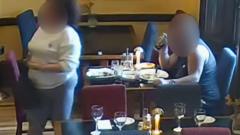
Hospitality margins are currently razor-thin, leaving independent restaurants vulnerable to financial hits. When a couple walked out on a £115 bill at a local eatery, claiming later it was a mere "misunderstanding," it highlighted a much larger, systemic issue. Restaurants are increasingly facing sophisticated "dine-and-dash" tactics that exploit legal loopholes and police resource constraints. This isn't just about bad manners or an accidental oversight. It is a calculated form of theft that threatens the survival of small businesses. Owners are now forced to choose between welcoming hospitality and defensive, high-security dining environments.
The anatomy of a modern walkout rarely looks like a sudden sprint out the front door. Instead, perpetrators rely on social engineering, psychological manipulation, and the inherent trust built into the traditional dining experience.
The Illusion of the Misunderstanding
When caught or exposed on social media, the default defense for the modern walkout is almost always the "misunderstanding."
Perpetrators frequently claim they thought a partner paid, or that they went outside for a cigarette and simply forgot to return. In many cases, they offer to settle the bill only after their faces are plastered across local community Facebook groups. This creates a difficult gray area for law enforcement.
To secure a conviction for making off without payment, the state must prove dishonesty. If a perpetrator can fabricate a plausible narrative of forgetfulness or confusion, the incident is often dismissed as a civil dispute rather than a criminal matter.
Restaurants are left holding the bag. The cost of food, labor, and overhead is gone, and the likelihood of recovering those funds through civil courts is practically zero. The legal fees alone would dwarf the value of the original bill.
Why the Current System Protects the Thief
The police response to hospitality theft is notoriously sluggish, driven by overstretched budgets and a hierarchy of crime prioritization.
Average Bill: £100 - £200
Police Priority Level: Low (often logged as a civil dispute)
Success Rate of Recovery via Police: Less than 5%
A hundred-pound theft might seem negligible to an outside observer, but to an independent bistro, it represents the entire profit margin of a busy service. When an incident occurs, restaurant staff are often told to log the crime online. Weeks later, they receive a automated email stating the case has been closed due to a lack of viable leads, even when high-definition CCTV footage is available.
This lack of enforcement has created an environment of impunity. Repeat offenders know exactly how to play the system. They move from town to town, targeting independent venues that lack the centralized security infrastructure of major corporate chains.
The Weaponization of Public Reviews
Restaurateurs who attempt to defend themselves face a secondary threat: the weaponization of online review platforms.
If a manager confronts a table suspected of trying to leave without paying, the dynamic quickly shifts. The diners often threaten to leave one-star reviews on TripAdvisor or Google Business, alleging harassment, poor service, or discrimination. For a neighborhood joint, a sudden influx of negative reviews can do far more long-term damage than a single unpaid bill.
This digital blackmail keeps operators quiet. They tolerate the loss rather than risk a public relations nightmare that could sink their reputation.
The True Cost of Casual Theft
The financial damage extends far beyond the ingredient cost of the steak and wine consumed.
- Front-of-house morale: Servers are often left feeling violated and anxious, wondering if they will be held financially responsible for the table.
- The tipping pool: Walkouts directly deplete the tip pool in establishments where a percentage of sales is automatically deducted for back-of-house staff.
- Operational caution: Managers become suspicious of genuine guests, eroding the warm atmosphere essential for a great dining experience.
When a table dashes, the business must generate several times the value of that bill in new sales just to break even on the lost margin. If a restaurant operates on a 5% net profit margin, a £115 walkout requires £2,300 in subsequent revenue to balance the books.
The High Cost of Defensive Dining
To survive, the hospitality industry is undergoing a forced transformation, moving away from the classic "trust-first" model toward mandatory pre-payment.
Pay Before You Eat
Fast-casual establishments have used this model for years, but upscale casual and fine dining venues are now adopting it out of necessity. Customers order via QR codes or pay at the counter before a single plate leaves the kitchen. It eliminates the risk of theft entirely. However, it also strips away the human element of service, turning a night out into a transactional, sterile experience.
Ticketed Reservations and Card Deposits
Booking platforms now allow restaurants to secure credit card details before a reservation is confirmed. If a table walks out, the card on file is charged. While effective against no-shows, it requires robust terms of service to prevent users from filing fraudulent chargebacks with their banks later on, claiming their card was stolen or used without authorization.
Securing the Floor Without Killing the Vibe
Restaurateurs cannot rely on the authorities to solve this crisis. Protection requires tactical floor management and smart operational design.
Rethink the layout. The host stand should never be left empty, especially during peak exit hours. Designing a single, clear point of entry and exit makes it significantly harder for a party to slip away unnoticed.
Train staff in proactive hospitality. Excellent service is actually the best deterrent. A server who checks in frequently, clears plates promptly, and stays engaged makes it incredibly uncomfortable for a table to plot an escape. When a table asks for the bill, the server should remain within eyesight until the transaction is complete.
Ditch the traditional bill presenter. Do not drop a leather folder on the table and walk away for fifteen minutes. Print the bill, present it, and hold the card machine ready. If the guest wishes to linger, explain that company policy requires closing out the bill at the table.
The era of the trusting, open-ended dining experience is drawing to a close, pushed to the brink by a culture that treats restaurant theft as a victimless prank or a convenient misunderstanding. Operators who fail to tighten their payment protocols and floor security will continue to pay the price for their optimism. Security must now take priority over tradition.