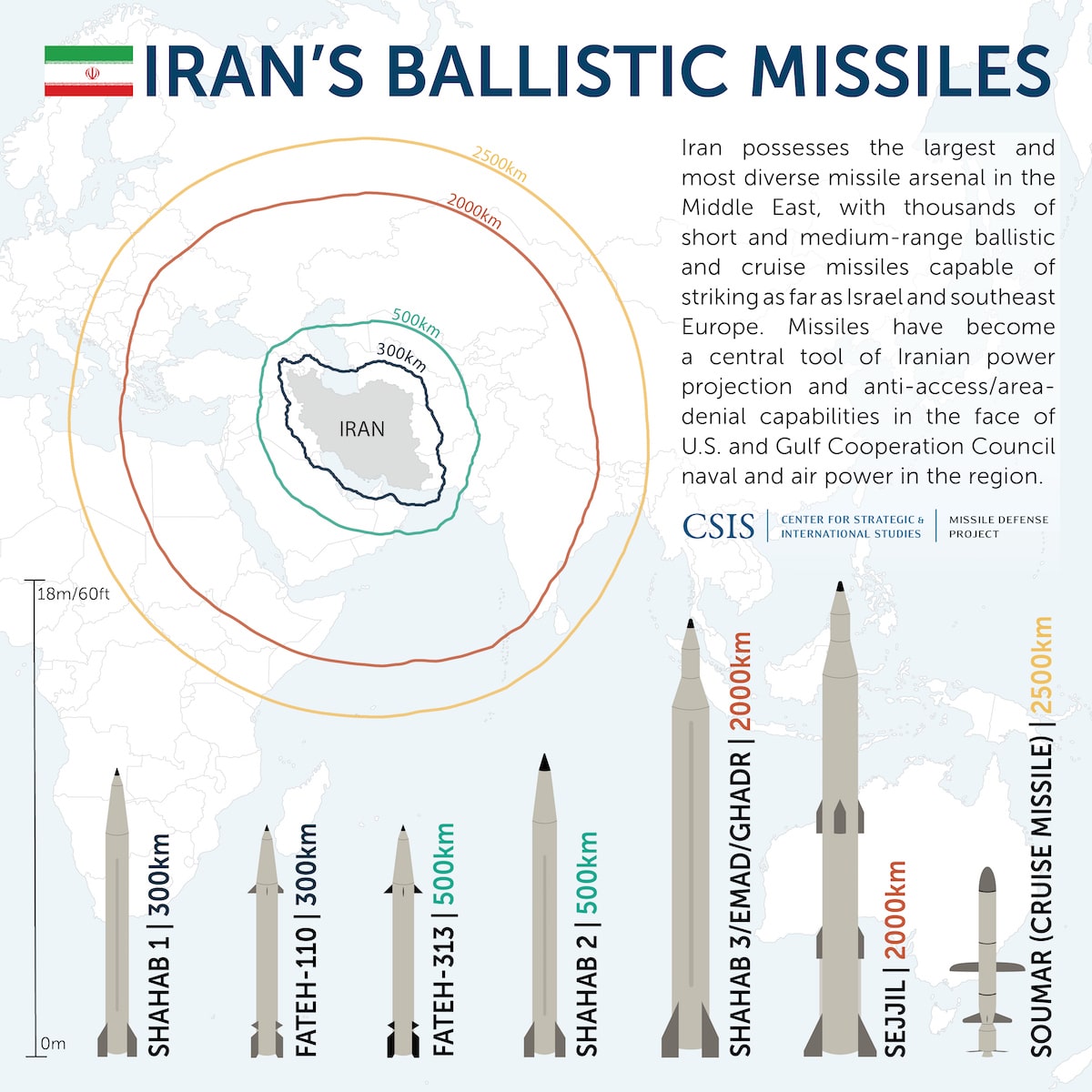
The two-week ceasefire announced late Tuesday between Washington and Tehran is not a victory for global energy security. It is a desperate stall. While President Donald Trump took to social media to hail a "big day for World Peace" and oil markets reacted with a panicked 17% drop in Nymex WTI, the reality on the water is far more grim. Tehran’s claim of "control" over the Strait of Hormuz isn't just rhetoric—it is the new, sanctioned reality of the world's most vital maritime chokepoint.
By agreeing to a 10-point peace plan mediated by Islamabad, the U.S. has effectively handed the keys of the global economy to a regime it was threatening to obliterate just hours earlier. This isn't a return to the status quo. It is the beginning of a protection racket on a planetary scale.
The Cost of the Islamabad Handshake
The deal was struck barely sixty minutes before a White House deadline that promised the destruction of Iran's civilian infrastructure. But the price of averting "Operation Epic Fury" is staggering. Under the terms of the agreement, Iran will "manage" maritime traffic through the Strait of Hormuz for the next fourteen days.
In plain English, the Iranian Revolutionary Guard Corps (IRGC), which spent the last month mining the waterway and harassing tankers, is now the legal traffic warden of the Persian Gulf.
Reliable intelligence from regional officials suggests that Iran and Oman will now charge "transit fees" on every vessel passing through the Strait. Tehran claims this revenue is for "reconstruction" following U.S. and Israeli strikes that killed former Supreme Leader Ali Khamenei in February. To the shipping industry, it looks like a toll booth erected on a public highway at gunpoint.
- The Toll: Expected fees could reach hundreds of thousands of dollars per transit, depending on the cargo.
- The Oversight: Iran demands "coordination" with its armed forces for all safe passage, a move that forces every Western captain to effectively ask Tehran for permission to exist.
- The Leverage: With 20% of the world's oil and 25% of its LNG moving through this 21-mile-wide neck of water, the world has no choice but to pay.
Why the White House Blinked
The sudden pivot from "civilization will die tonight" to "workable peace plan" has left allies in London and Tel Aviv reeling. Prime Minister Benjamin Netanyahu was quick to clarify that Israel’s acceptance of the pause does not extend to its operations against Hezbollah in Lebanon. This fundamental disagreement on the scope of the ceasefire—whether it covers the entire "Axis of Resistance" or just the Iranian mainland—threatens to collapse the deal before the first ship even moves.
The U.S. administration’s retreat wasn't born of a sudden change of heart. It was a mathematical necessity.
Global energy supplies are at a breaking point. Qatar has already declared force majeure on gas contracts. Kuwait and the UAE have slashed production because they physically cannot move product out of the Gulf. In the West, the political cost of $150-a-barrel oil was becoming more dangerous to the administration than the Iranian nuclear program itself.
By accepting the 10-point plan, the U.S. is entertaining demands it has spent decades rejecting. These include the full withdrawal of U.S. combat forces from the Middle East, the lifting of all primary and secondary sanctions, and the release of billions in frozen assets.
The Mirage of Safe Passage
Shipping companies like Maersk and Hapag-Lloyd are not rushing back to the Gulf just because a tweet said it was safe. The Strait of Hormuz is currently a graveyard of hardware and a minefield of uncertainty.
The technical limitations mentioned by Iranian Foreign Minister Abbas Araghchi are a euphemism for the wreckage of at least 16 merchant ships damaged since February. Clearing the "traffic buildup" mentioned by the President isn't a matter of directing cars; it is a high-stakes salvage operation in a theater of war.
Furthermore, the "10-point plan" exists in two versions. The English version shared with journalists is a sanitized diplomatic roadmap. The Farsi version, circulated by state media in Tehran, explicitly includes "acceptance of enrichment" for Iran’s nuclear program—a red line that has dictated U.S. foreign policy for twenty years.
The Strategic Retreat
This ceasefire is a tactical pause for a world that ran out of breath. Iran gets to stop the bombing of its power plants and bridges while legitimizing its grip on the Strait. The U.S. gets a temporary reprieve from a global economic depression.
But the "Longterm PEACE" promised is built on sand. If the negotiations in Islamabad, set to begin Friday, do not address the fundamental issue of who actually owns the water in the Strait, we aren't looking at a peace deal. We are looking at the world's most expensive two-week subscription to a conflict that is only getting started.
The reality is that for the first time in the modern era, a regional power has successfully used the threat of global economic collapse to force a superpower to the negotiating table on its own terms. Whether this is a "humiliating retreat" for Washington or a masterstroke of de-escalation will be decided by whether the first tanker makes it through the Strait without an IRGC shadow—or an Iranian invoice.
The two-week clock is ticking, and the price of entry has never been higher.